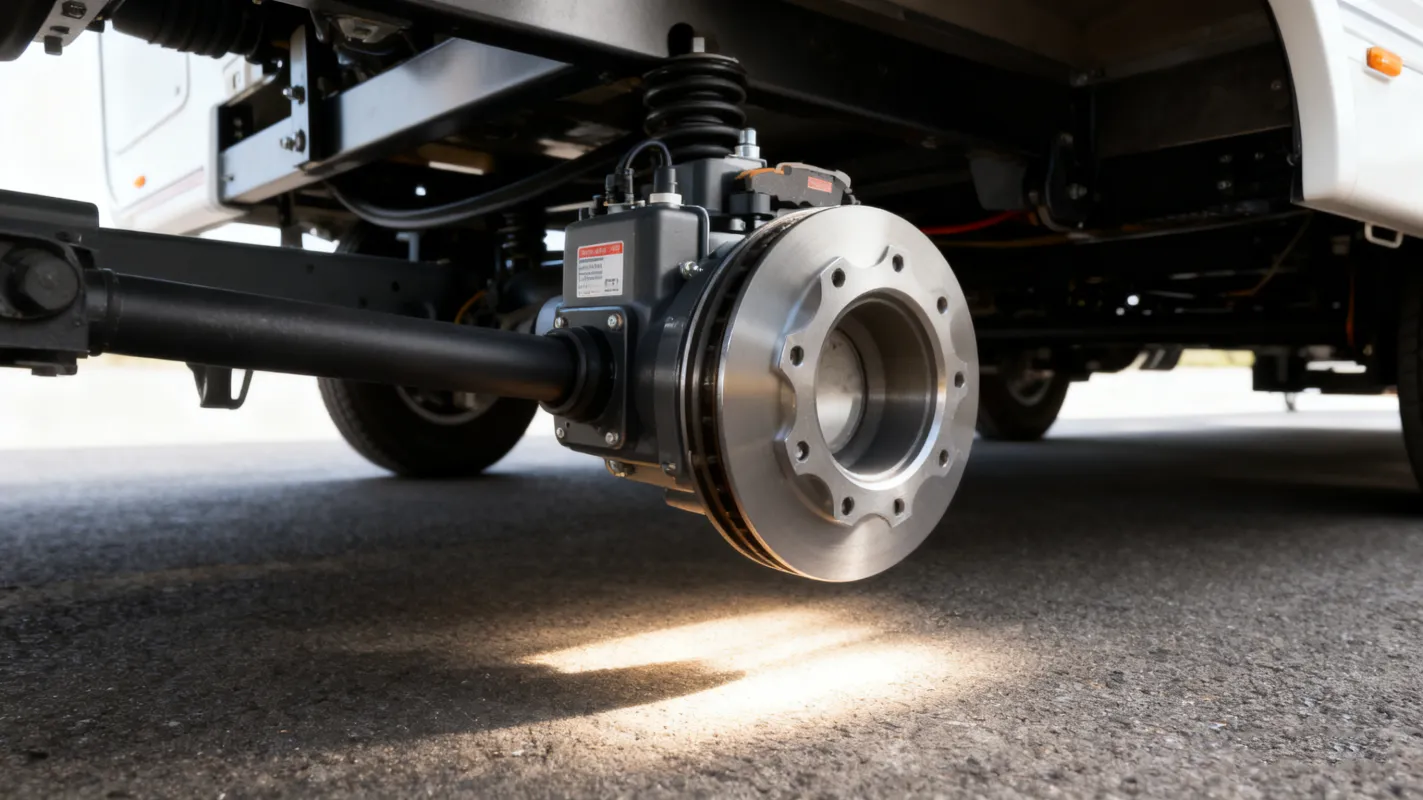
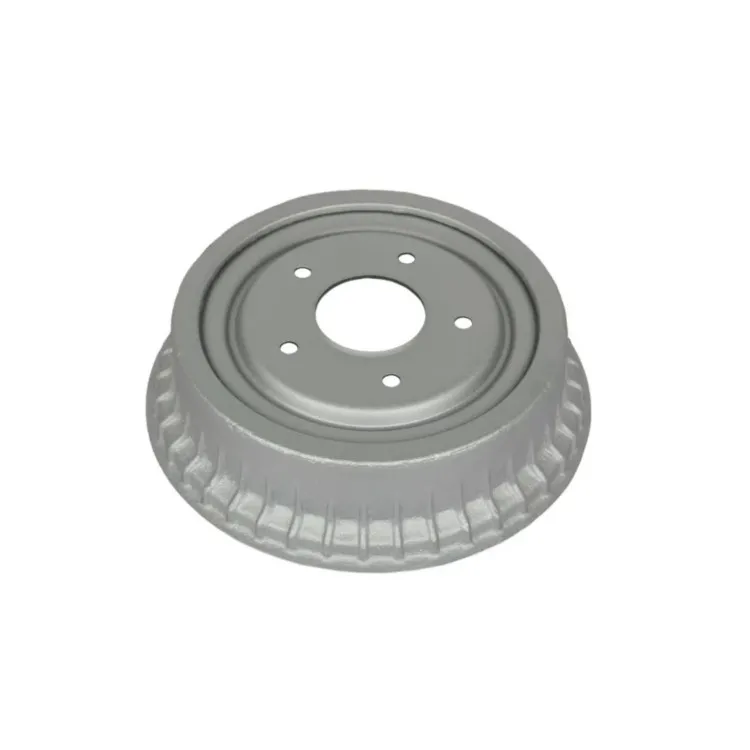
For decades, the global automotive parts market has been marked by intense low-price competition, but the automotive braking system sector is undergoing a noticeable strategic shift. More and more overseas B2B purchasers, including auto parts distributors and repair chain operators, are no longer treating low cost as the sole procurement priority, but placing greater emphasis on long-term reliability, consistent product quality, certification compliance and stable supply capacity. This shift is not driven by random preference, but by accumulated industry practices that recognize that unstable brake components can lead to serious operational and safety risks for downstream businesses and end users.
Braking components are safety-critical parts directly related to driving performance. When procurement decisions are guided solely by the pursuit of the lowest possible unit price, many hidden risks gradually emerge across the entire downstream operation chain:
These risks often generate far higher long-term costs than the limited cost savings gained from purchasing cheaper brake parts. This is exactly why the automotive braking system industry is increasingly focusing on stable quality rather than pure low price competition.
Professional B2B buyers in today’s braking system market are building more scientific selection standards that move beyond simple price comparison. The most practical evaluation dimensions cover the following key areas:
Trusted braking system suppliers should operate strictly under globally recognized quality management systems and product performance standards. Compliance with IATF 16949:2016 for overall manufacturing management and ECE R90 for aftermarket brake component performance is no longer an optional extra, but a basic threshold to ensure consistent, market-acceptable product quality.
A reliable supplier must maintain stable quality across large-scale annual production volumes, so that every batch of brake discs, brake drums, brake pads, brake shoes and brake kits delivered meets the same performance specifications. This consistency helps downstream buyers avoid frequent quality variation complaints, protects their own brand reputation, and supports long-term stable customer relationships.
A mature braking system supplier should cover more than 99% of mainstream vehicle models in target markets, and maintain steady annual production capacity to support continuous, large-volume export. This capability ensures that B2B buyers can source nearly all required brake SKUs from one cooperative partner, rather than coordinating with multiple unstable small suppliers that face production interruptions at any time.
With more than 20 years of experience deeply engaged in the original equipment supporting braking system market, Laizhou Guanzhuo Trading Co., Ltd. has long practiced this quality-first operation logic, and this position has been widely recognized by global partners.
Up to now, Laizhou Guanzhuo Trading has built stable cooperative relationships with 190 clients around the world, and the company’s consistent quality performance and reliable delivery records have earned a strong market reputation. For overseas B2B buyers, selecting a supplier that prioritizes stable quality rather than temporary low cost means building a more resilient, low-risk braking system supply chain, and laying a solid foundation for long-term business growth.
The automotive braking system industry’s shift away from pure low-price competition is not abandoning reasonable cost control, but pursuing higher long-term value: safer products, more predictable operations, and more sustainable cooperative relationships between suppliers and buyers. This trend will continue to reshape the global automotive parts supply chain, helping more B2B partners achieve stable mutual growth.
 501
|
 Laizhou Guanzhuo Trading Co., Ltd. car brake drums high heat resistant brake drum ECE R90 certified brake drum automotive braking system parts
101
|
Laizhou Guanzhuo Trading Co., Ltd. Commercial Vehicle Brake Pads Heavy Duty Truck Brake Pads Selection Brake Pad Performance Optimization E-MARK R90 Certified Brake Pads
74
|
Laizhou Guanzhuo Trading Co., Ltd. Commercial Vehicle Brake Pads High temperature resistant brake pads E-MARK R90 certified brake pads B2B brake pad procurement
34
|
Laizhou Guanzhuo Trading commercial vehicle brake pads high temperature resistant brake pads brake pads selection and maintenance low dust brake pads
302
|
Laizhou Guanzhuo Trading Heavy truck semi-metallic brake pads selection Commercial vehicle brake pads performance optimization E-MARK R90 certified brake pads High temperature resistant commercial vehicle brake pads