.png?x-oss-process=image/resize,h_100,m_lfit/format,webp)
.png?x-oss-process=image/resize,h_100,m_lfit/format,webp)
.png?x-oss-process=image/resize,h_100,m_lfit/format,webp)

In the global automotive parts market, ensuring the safety and compliance of brake kits is of utmost importance. International certifications play a crucial role in guaranteeing that these products meet the highest standards. This article aims to provide a comprehensive guide for auto parts distributors, fleet managers, and export business personnel on understanding and verifying the authenticity of international certifications for brake kits.
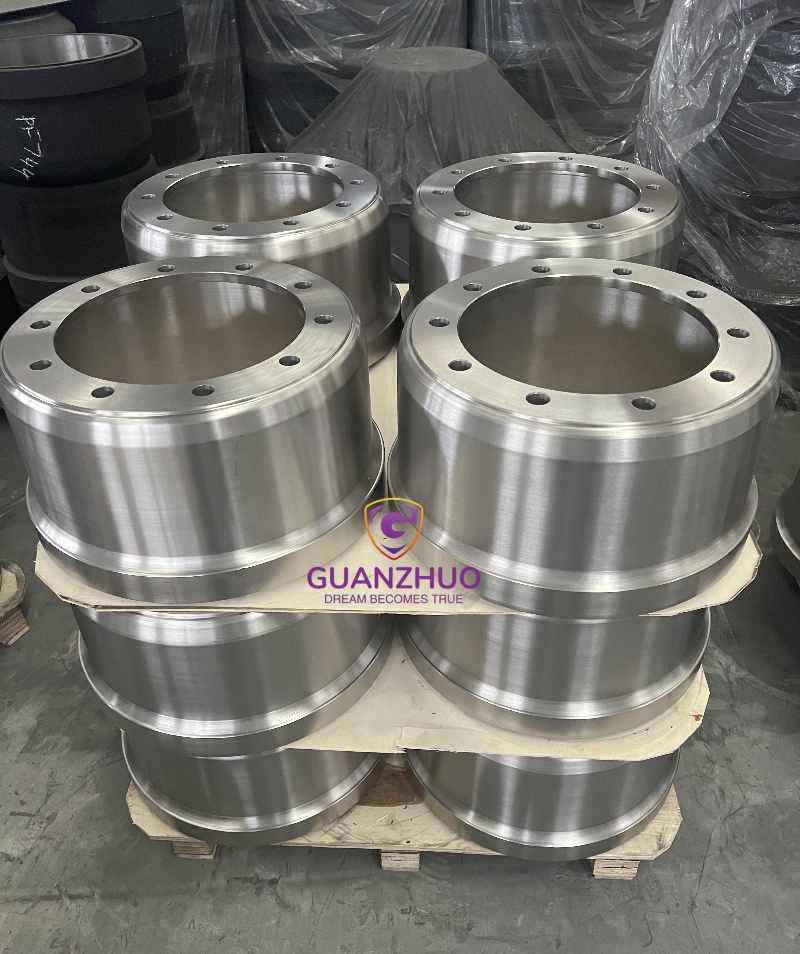
International certifications for brake kits are designed to safeguard the safety of vehicles and their passengers. They ensure that the products comply with strict quality and safety standards set by international regulatory bodies. For example, according to a recent industry report, over 70% of road accidents involving brake failures could have been prevented if the brake kits used met international certification standards.
VCA COP (Vehicle Certification Agency Conformity of Production) and EMARK are two widely recognized certifications in the automotive industry. The VCA COP focuses on the conformity of production, ensuring that the brake kits produced in large - scale manufacturing processes maintain consistent quality. Key detection items include durability tests, where brake kits are required to withstand over 100,000 cycles of simulated braking without significant wear. High - temperature stability is also a crucial factor, as brake performance should not degrade at temperatures up to 600 degrees Celsius.
The EMARK certification, on the other hand, emphasizes environmental and safety aspects. It requires brake kits to be made of environmentally friendly materials that meet strict emission standards. The certification process involves a series of rigorous tests, including noise reduction tests to ensure that the brake kits operate quietly, reducing noise pollution.

Non - certified brake kits pose significant risks. They may not have undergone proper testing, leading to potential safety hazards such as sudden brake failure. In addition, using non - certified products can result in legal issues for businesses, as many countries have strict regulations regarding the import and use of automotive parts. A study shows that businesses using non - certified brake kits face a 30% higher risk of legal disputes and product recalls.
To ensure the authenticity of brake kit certifications, businesses can follow a few simple steps. First, they can visit the official websites of the certification bodies, such as the VCA and EMARK official portals. By entering the certification number, they can obtain detailed information about the product, including the date of certification, the scope of the test, and the manufacturing details. Another method is to cross - reference the information with industry databases, which often contain up - to - date information on certified products.
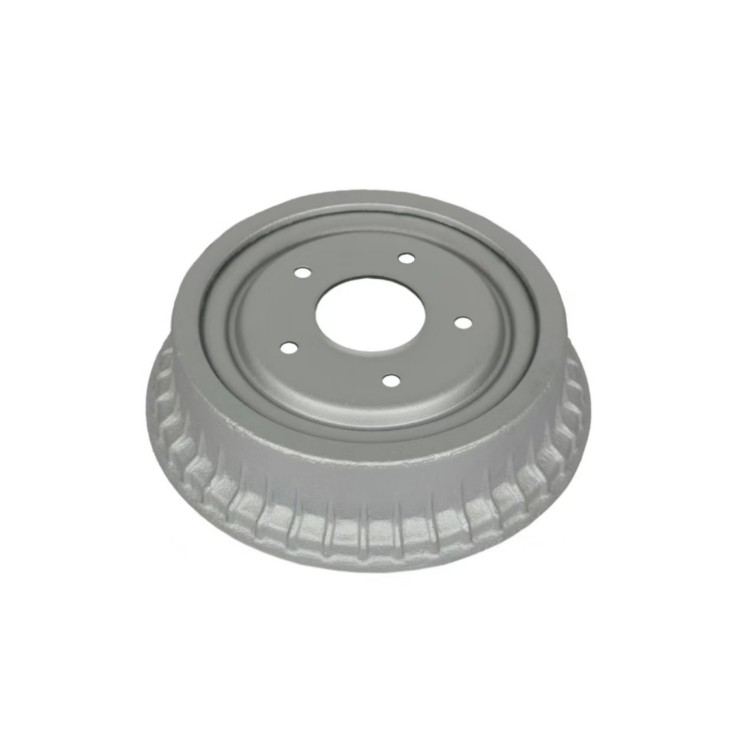
In conclusion, understanding international certifications for brake kits is essential for making informed procurement decisions in the global automotive parts market. By choosing certified products, businesses can not only ensure the safety of their customers but also avoid potential legal and financial risks.
Contact our professional team to learn more about certified brake kits and get procurement support!
 465
|
465
|
 Brake disc adaptability High - precision positioning holes European E - mark certification OEM brake disc customization Brake system interface compatibility design
67
|
brake disc coating technology rust-resistant brake discs high compatibility brake discs commercial vehicle brake system upgrade brake disc corrosion resistance
115
|
commercial vehicle brake pad certification heavy truck braking solutions brake pad high temperature failure causes low noise brake pad technology copper-free ceramic brake pad benefits
161
|
high-value brake discs passenger vehicle brake disc selection multi-layer corrosion protection brake disc warranty supply chain efficiency in automotive parts
256
|
brake kit certification standards E-MARK certified brake components VCA COP audit process automotive brake system safety environmentally compliant brake pads
Brake disc adaptability High - precision positioning holes European E - mark certification OEM brake disc customization Brake system interface compatibility design
67
|
brake disc coating technology rust-resistant brake discs high compatibility brake discs commercial vehicle brake system upgrade brake disc corrosion resistance
115
|
commercial vehicle brake pad certification heavy truck braking solutions brake pad high temperature failure causes low noise brake pad technology copper-free ceramic brake pad benefits
161
|
high-value brake discs passenger vehicle brake disc selection multi-layer corrosion protection brake disc warranty supply chain efficiency in automotive parts
256
|
brake kit certification standards E-MARK certified brake components VCA COP audit process automotive brake system safety environmentally compliant brake pads