.png?x-oss-process=image/resize,h_100,m_lfit/format,webp)
.png?x-oss-process=image/resize,h_100,m_lfit/format,webp)
.png?x-oss-process=image/resize,h_100,m_lfit/format,webp)

In the global automotive industry, international certifications play a pivotal role in ensuring the quality and safety of automotive brake linings. These certifications not only serve as a guarantee of product quality but also enhance the competitiveness of manufacturers in the international market. For instance, it is estimated that products with international certifications can increase their market share by 15% - 20% compared to non - certified ones.
The VCA COP audit is a stringent assessment process. It focuses on various aspects such as the raw materials used in brake linings, manufacturing processes, and quality control systems. For example, the audit requires that the friction coefficient of brake linings should be within a specific range (e.g., 0.35 - 0.45) to ensure stable braking performance. The implementation of this audit involves multiple steps, starting from documentation review to on - site inspections.
EMARK certification is recognized across many European and other international markets. Its regulatory basis is derived from European Union regulations. The test items include thermal stability, wear resistance, and noise reduction. To obtain EMARK certification, manufacturers need to follow a strict compliance path, which may take 3 - 6 months depending on the complexity of the product.
"According to a third - party report, products with EMARK certification are more likely to enter high - end markets, with a success rate of up to 80%."
Different regions have different certification requirements. For example, North American markets may focus more on performance - based standards, while Asian markets may also emphasize cost - effectiveness. Understanding these differences is crucial for manufacturers to develop targeted export strategies. By meeting specific regional certifications, manufacturers can expand their market reach and increase their sales volume.
Let's take a well - known automotive brake lining manufacturer as an example. After obtaining VCA COP and EMARK certifications, its brand trust among customers increased significantly. As a result, its market share in Europe and North America increased by 25% within two years.
In addition to certifications, full - process technical support and after - sales service are also essential for ensuring product quality. Technical support can help manufacturers improve their production processes, while after - sales service can enhance customer satisfaction. It is reported that companies providing comprehensive after - sales service can increase customer loyalty by 30%.
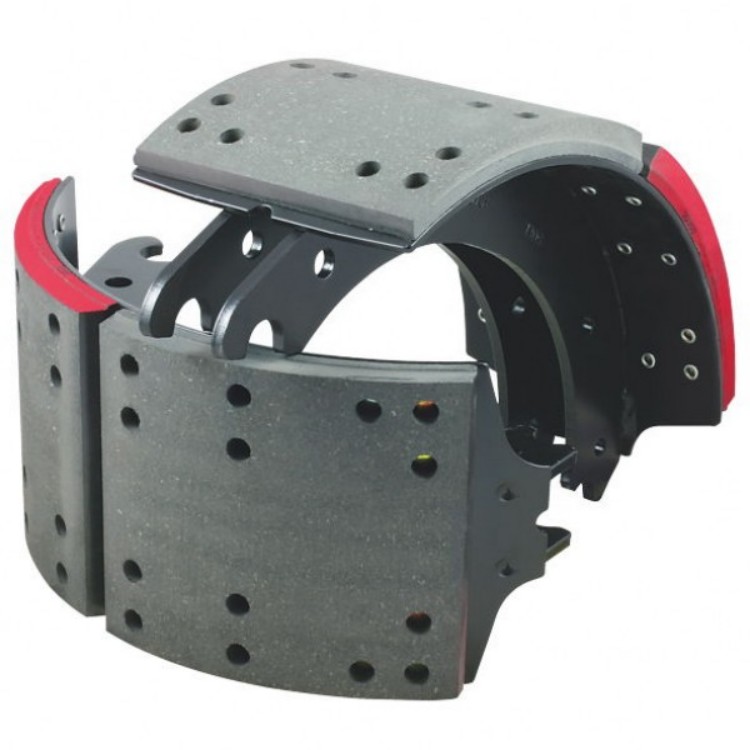
Laizhou Guanzuo Trading Co., Ltd. has always been committed to meeting and exceeding international certification standards. Through continuous R & D and quality control, its brake lining products not only meet the requirements of VCA COP and EMARK certifications but also have excellent performance in terms of durability and safety.
Q: How long does it take to obtain VCA COP and EMARK certifications?
A: The time to obtain VCA COP certification may vary depending on the company's existing quality management system, usually taking 2 - 4 months. EMARK certification generally takes 3 - 6 months.
Q: What are the main differences between VCA COP and EMARK certifications?
A: VCA COP focuses more on the overall quality management system of the company, while EMARK is more product - specific, emphasizing product performance and safety in line with European regulations.
If you want to learn more about high - quality automotive brake lining products that meet international certification standards, click here to discover Laizhou Guanzuo Trading Co., Ltd.'s products or contact our technical support.
 41
|
41
|
 brake kit material comparison ABS ring brake kit automotive brake system compatibility powder metallurgy brake components brake kit installation guide
456
|
brake disc thickness consistency hub hole precision commercial vehicle brake disc brake disc machining process brake disc installation error
161
|
brake pad replacement interval brake pad wear indicators brake pad inspection checklist brake pad thickness check brake fade symptoms
293
|
brake kit compatibility for electric vehicles ABS ring adapter selection electric car brake system upgrade brake kit installation checklist vehicle-specific brake component matching
495
|
brake disc installation errors locating hole precision turning machining process commercial vehicle brake discs braking safety
brake kit material comparison ABS ring brake kit automotive brake system compatibility powder metallurgy brake components brake kit installation guide
456
|
brake disc thickness consistency hub hole precision commercial vehicle brake disc brake disc machining process brake disc installation error
161
|
brake pad replacement interval brake pad wear indicators brake pad inspection checklist brake pad thickness check brake fade symptoms
293
|
brake kit compatibility for electric vehicles ABS ring adapter selection electric car brake system upgrade brake kit installation checklist vehicle-specific brake component matching
495
|
brake disc installation errors locating hole precision turning machining process commercial vehicle brake discs braking safety