.png?x-oss-process=image/resize,h_100,m_lfit/format,webp)
.png?x-oss-process=image/resize,h_100,m_lfit/format,webp)
.png?x-oss-process=image/resize,h_100,m_lfit/format,webp)
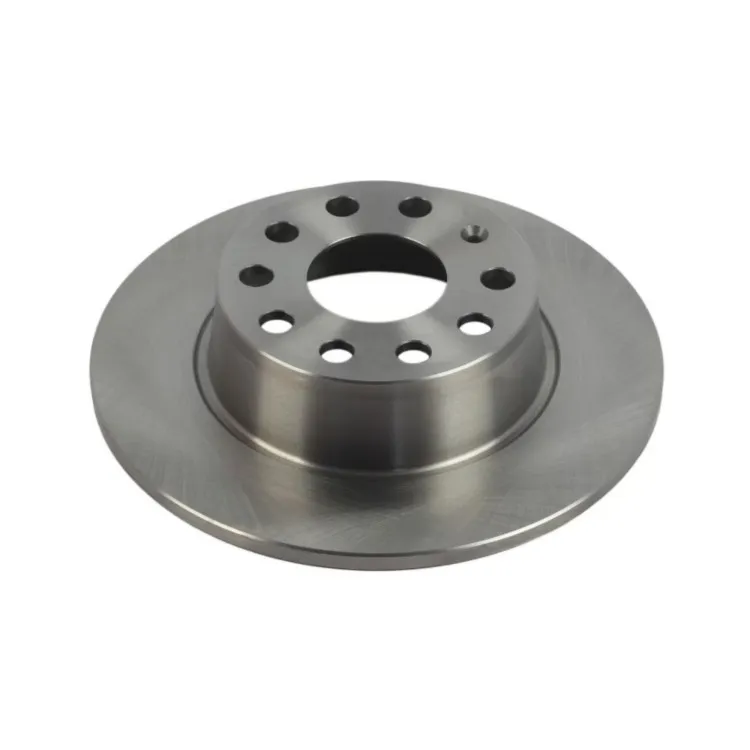
In commercial vehicle brake systems, the installation of brake discs—often underestimated—plays a critical role in overall safety and performance. Misalignments, surface irregularities, and improper component fitting are frequent issues leading to brake noise, vibration, and in worst cases, brake failure. This article explores how precise locating hole design combined with high-quality turning and grinding processes can significantly enhance the stability and safety of braking systems.
Locating holes act as reference points during brake disc assembly, ensuring accurate alignment with the hub. Precision within micrometer tolerances (ideally less than 0.02 mm deviation) reduces radial and axial runout, effectively minimizing vibration and uneven wear. Incorrect hole positioning directly affects disc concentricity, which can escalate brake shimmy and premature failure.
Data Insight: Studies show that a locating hole positional error exceeding 0.05 mm increases brake disc runout by up to 30%, directly correlating to a 25% rise in noise and vibration complaints among fleet operators.
Beyond hole precision, rigorous machining processes such as turning and grinding are essential to maintain brake disc flatness and thickness consistency. Industry standards require the disc surface flatness to be within 0.02 mm and thickness variation under 0.10 mm to avoid uneven thermal expansion or friction during braking.
Improperly machined discs cause uneven pad contact, resulting in hotspots, premature wear, and potential brake fade. Implementing process control measures and quality inspections can lower these risks dramatically.
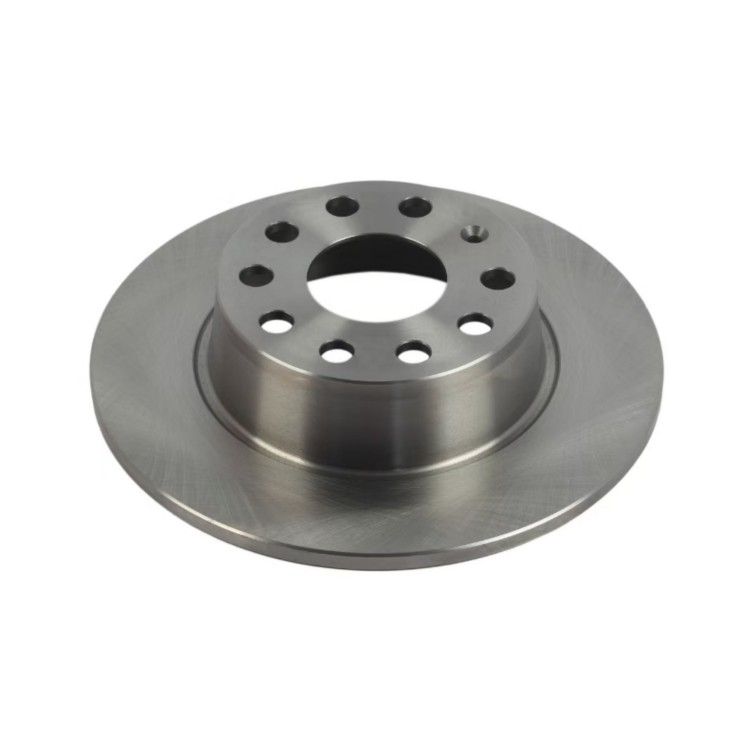
Typical installation pitfalls include:
These mistakes not only jeopardize braking efficiency but increase maintenance frequency and operational downtime, amounting to significant cost implications for fleet managers.
To mitigate risks, technicians and fleet operators should adopt standardized installation protocols:
Recommended tools include precision dial indicators, calibrated torque wrenches, and locating gauges custom-designed for specific vehicle models. Proper training on these tools enhances installation quality.
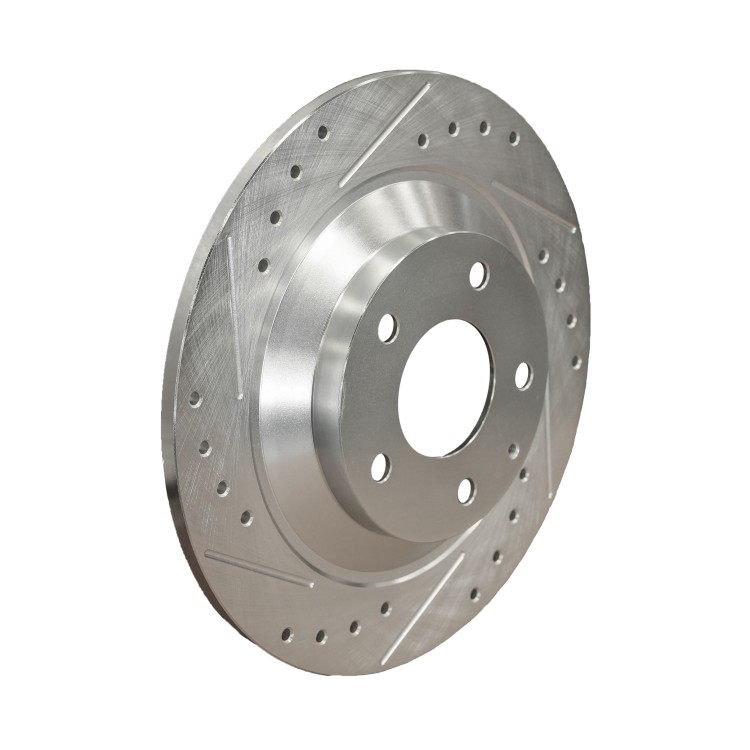
Choosing brake discs from reputable manufacturers with stringent machining and quality controls ensures reliable locating hole accuracy and machining tolerance. Such products typically undergo multi-point quality inspections, guaranteeing flatness and thickness within strict limits.
Reliable suppliers also provide comprehensive warranty coverage and technical support, crucial for troubleshooting and maintaining operational continuity.
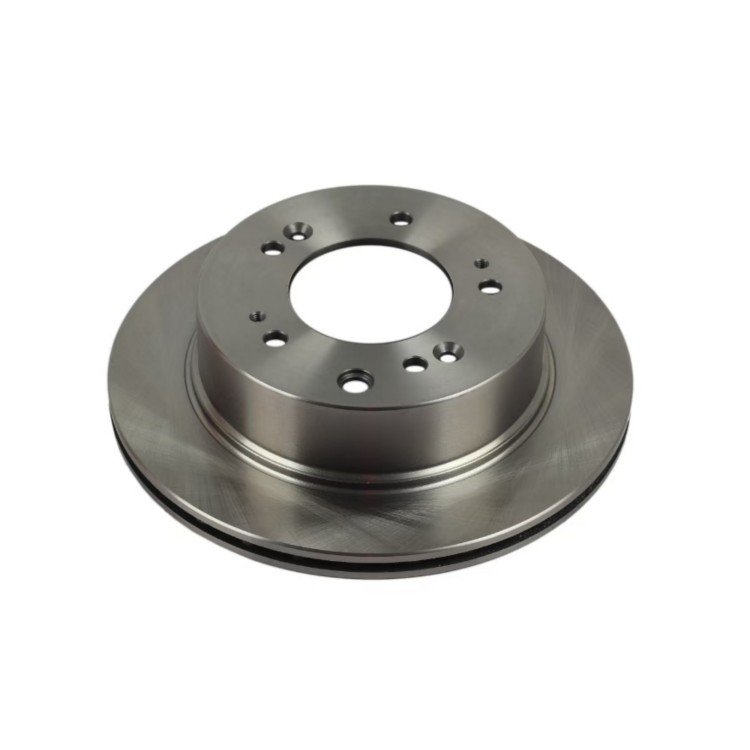
Engage with us in the comments below — share your experiences with brake disc installation, ask questions, or suggest best practices to build safer, more reliable fleets together.
 173
|
173
|
 brake lining international certification VCA COP audit requirements E-MARK certification standards automotive braking system quality control high-performance brake pads
211
|
commercial vehicle brake kit installation brake system compatibility for trucks ABS ring installation mistakes proper brake kit torque specification vehicle brake maintenance checklist
426
|
brake hub quality management IATF TS16949 certification automotive supply chain control brake system components automotive parts manufacturing
456
|
IATF TS16949 brake hub certification automotive supplier audit checklist supply chain quality control automotive parts manufacturing quality brake hub procurement strategy
102
|
brake disc installation errors locating hole precision turning machining process commercial vehicle brake discs brake disc surface flatness
brake lining international certification VCA COP audit requirements E-MARK certification standards automotive braking system quality control high-performance brake pads
211
|
commercial vehicle brake kit installation brake system compatibility for trucks ABS ring installation mistakes proper brake kit torque specification vehicle brake maintenance checklist
426
|
brake hub quality management IATF TS16949 certification automotive supply chain control brake system components automotive parts manufacturing
456
|
IATF TS16949 brake hub certification automotive supplier audit checklist supply chain quality control automotive parts manufacturing quality brake hub procurement strategy
102
|
brake disc installation errors locating hole precision turning machining process commercial vehicle brake discs brake disc surface flatness