.png?x-oss-process=image/resize,h_100,m_lfit/format,webp)
.png?x-oss-process=image/resize,h_100,m_lfit/format,webp)
.png?x-oss-process=image/resize,h_100,m_lfit/format,webp)
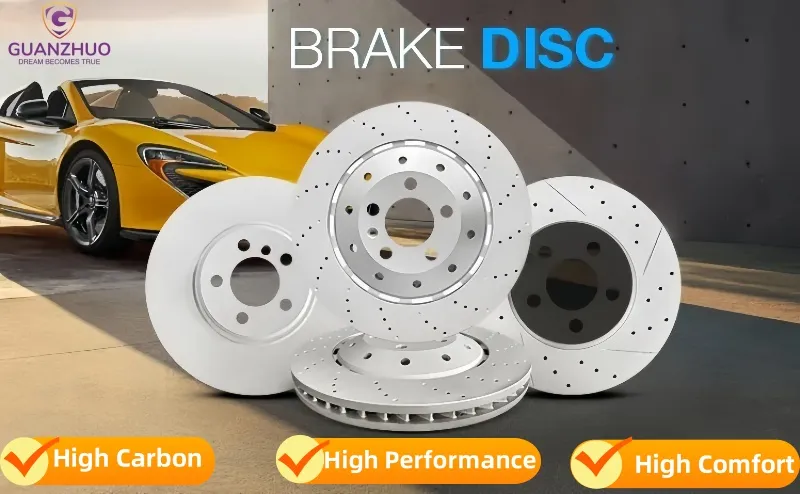
You know what happens when a brake rotor isn’t installed correctly? Not just noise or vibration — but potential failure. In commercial fleets, this can mean downtime, safety risks, and costly replacements. According to data from the North American Trucking Association (NATA), over 43% of premature brake system failures are linked to improper installation practices — not part of the design or material quality.
Let’s be honest: even experienced technicians fall into these traps:
It’s not just about tightening bolts — it’s about consistency in flatness and thickness. Our internal tests show that rotors installed with misaligned positioning holes can vary by up to 0.05 mm in thickness across their surface. That may sound small — until you realize it causes uneven pad contact, increased heat buildup, and eventually, reduced braking performance.
We use IATF TS16949-certified materials and CNC-controlled grinding processes to ensure each rotor meets ISO 10757 standards for flatness tolerance (±0.02 mm). But if your team doesn’t install them properly, those specs go to waste.
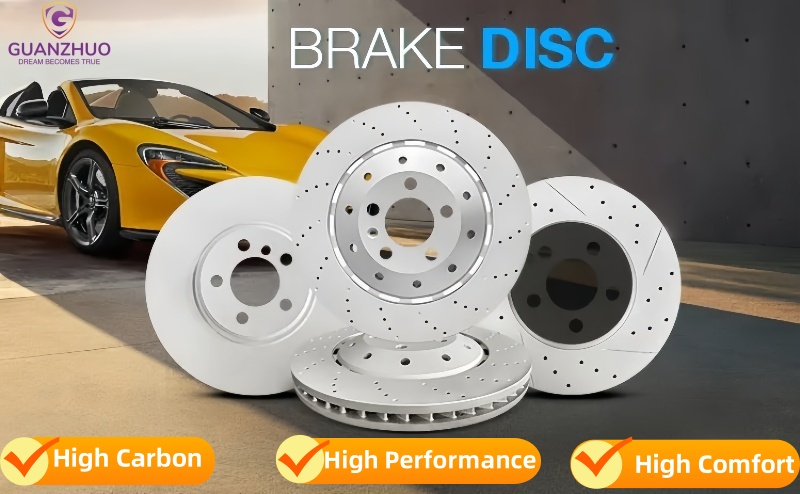
These steps aren’t optional — they’re essential for maximizing rotor life and ensuring passenger safety. One fleet manager we worked with saw a 60% drop in brake-related service calls within three months after implementing this process.
Don’t rely on guesswork. Equip your shop with:
What’s your biggest challenge when installing brake rotors? Have you ever had a case where poor installation led to a serious issue?
Share your story below — let’s build a community of safer, smarter workshops.
 401
|
401
|
 brake pad heat fatigue detection brake pad replacement interval truck braking distance optimization long-haul vehicle safety brake wear indicator recognition
168
|
high carbon steel brake disc wear-resistant brake disc commercial vehicle brake upgrade corrosion-resistant brake components global compatible brake disc
399
|
brake disc maintenance brake disc wear brake pad compatibility brake disc polishing risks brake system safety
456
|
IATF TS16949 brake hub certification automotive supplier audit checklist supply chain quality control automotive parts manufacturing quality brake hub procurement strategy
47
|
brake disc compatibility high-precision locating hole design R90 E-mark certification OEM brake disc customization brake system interface standardization
brake pad heat fatigue detection brake pad replacement interval truck braking distance optimization long-haul vehicle safety brake wear indicator recognition
168
|
high carbon steel brake disc wear-resistant brake disc commercial vehicle brake upgrade corrosion-resistant brake components global compatible brake disc
399
|
brake disc maintenance brake disc wear brake pad compatibility brake disc polishing risks brake system safety
456
|
IATF TS16949 brake hub certification automotive supplier audit checklist supply chain quality control automotive parts manufacturing quality brake hub procurement strategy
47
|
brake disc compatibility high-precision locating hole design R90 E-mark certification OEM brake disc customization brake system interface standardization