.png?x-oss-process=image/resize,h_100,m_lfit/format,webp)
.png?x-oss-process=image/resize,h_100,m_lfit/format,webp)
.png?x-oss-process=image/resize,h_100,m_lfit/format,webp)
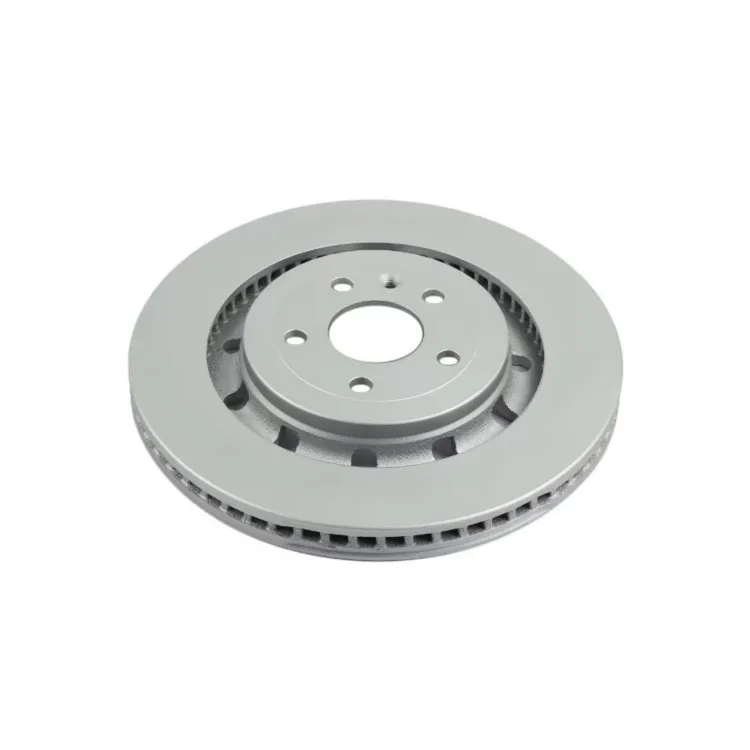
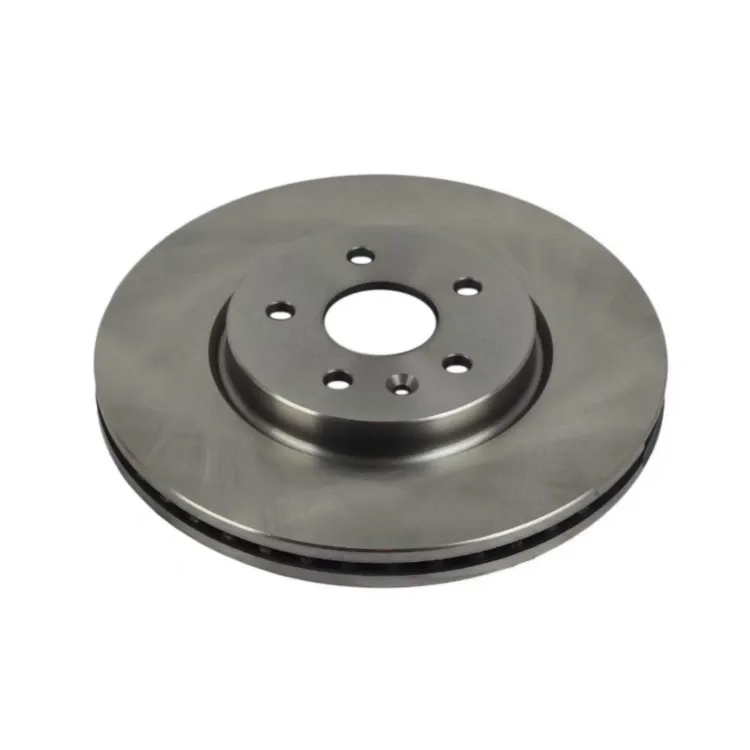
Global automotive aftermarket suppliers are increasingly challenged by the complexity of vehicle diversity—over 1,200 unique models in Europe alone, and more than 3,000 globally. Yet some brake disc manufacturers consistently achieve over 99% fitment across major OEM platforms. What’s their secret?
The answer lies not in guesswork—but in three core engineering pillars:
These technical choices aren’t just theoretical—they’re validated through real-world testing protocols such as E-mark R90 compliance, which requires rigorous heat fade resistance and durability cycles under extreme conditions (up to 50,000 braking events).
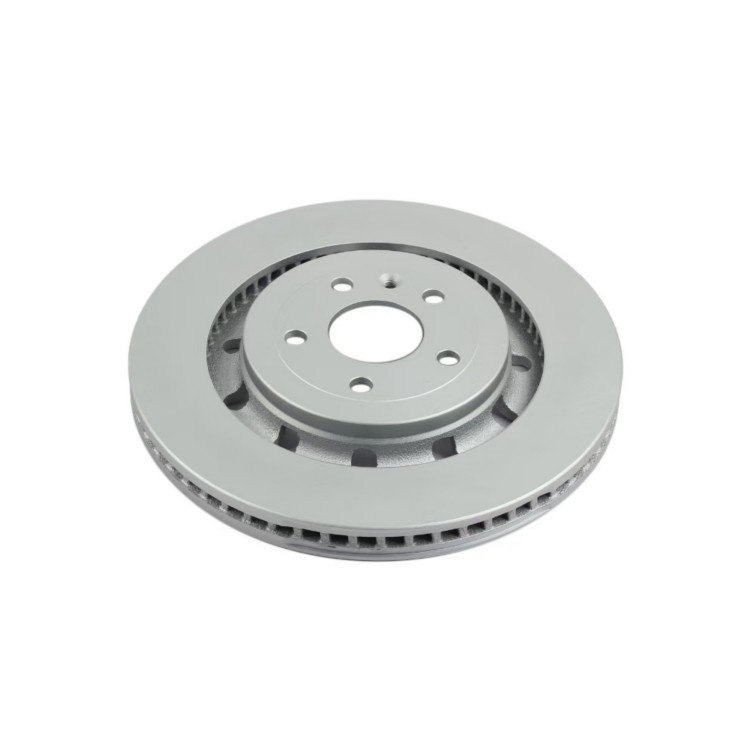
Meeting EU R90 certification isn't just a checkbox—it's an engineering discipline. We perform thermal cycling tests up to 600°C and endurance validation on dynamometers simulating 10 years of use. These processes ensure every unit meets global safety standards while maintaining performance consistency.
This robustness enables customers to enter new markets faster. For example, a Southeast Asian distributor leveraged our interface logic to launch into Indonesia within 6 weeks—not because they had inventory, but because they had a proven technical framework for local adaptation.
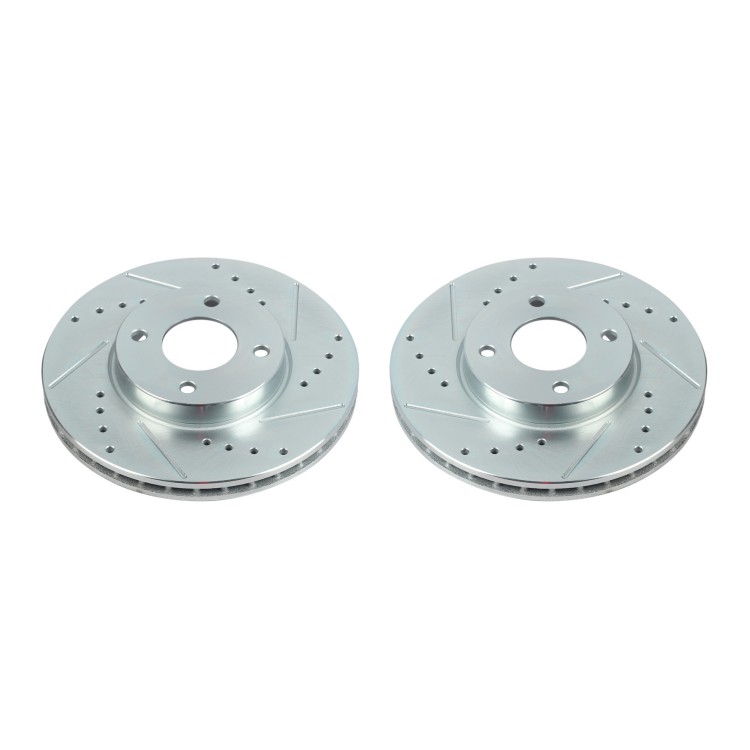
As regional regulations evolve—from EU CO₂ mandates to ASEAN import requirements—the ability to scale without sacrificing specificity becomes critical. Our platform allows clients to maintain one core design while offering branded variants tailored to local needs: from corrosion-resistant coatings for coastal regions to high-friction surfaces for mountainous terrains.
This is not just about making parts fit—it’s about building trust. When your product works reliably across thousands of vehicles, buyers don’t just buy from you—they build brands around you.
Explore how our standardized interface system can accelerate your market entry strategy—without compromising quality or compliance.
Get the Technical Whitepaper 98
|
98
|
 IATF TS16949 brake hub certification automotive brake hub quality control supplier audit checklist for automotive parts risk prevention in brake hub manufacturing continuous improvement in automotive supply chain
63
|
automotive brake shoe pad certification VCA COP audit EMARK certification requirements brake system quality management global brake shoe market competitiveness
253
|
brake disc quality control automotive brake disc manufacturing Laizhou Guanzhuo brake discs high precision brake discs brake disc testing process
101
|
brake kit selection guide brake kit compatibility judgment brake kit installation checklist ABS ring kit usage tutorial car modified brake system
188
|
High-performance wear-resistant brake discs Rust-proof brake discs Brake disc selection guide Brake discs compatible with 99% of vehicle models Commercial vehicle brake system upgrade
IATF TS16949 brake hub certification automotive brake hub quality control supplier audit checklist for automotive parts risk prevention in brake hub manufacturing continuous improvement in automotive supply chain
63
|
automotive brake shoe pad certification VCA COP audit EMARK certification requirements brake system quality management global brake shoe market competitiveness
253
|
brake disc quality control automotive brake disc manufacturing Laizhou Guanzhuo brake discs high precision brake discs brake disc testing process
101
|
brake kit selection guide brake kit compatibility judgment brake kit installation checklist ABS ring kit usage tutorial car modified brake system
188
|
High-performance wear-resistant brake discs Rust-proof brake discs Brake disc selection guide Brake discs compatible with 99% of vehicle models Commercial vehicle brake system upgrade