.png?x-oss-process=image/resize,h_100,m_lfit/format,webp)
.png?x-oss-process=image/resize,h_100,m_lfit/format,webp)
.png?x-oss-process=image/resize,h_100,m_lfit/format,webp)

Did you know that over 68% of vehicle owners in North America and Europe experience brake-related noise or vibration at least once a year? Whether it's a high-pitched squeal when braking or a noticeable shake in the steering wheel, these symptoms aren't just annoying—they’re often early warnings of serious wear or misalignment.
If your car emits a “squeaking” or “grinding” sound during deceleration, don’t panic—it’s usually one of three common issues:
| Symptom | Likely Cause | Solution |
|---|---|---|
| High-pitched "squeak" on light braking | Gap between pad and disc > 0.1mm (common after replacement) | Re-seat pads, clean contact points, re-adjust clearance |
| Rough grinding or scraping | Debris trapped between pad and disc or surface rust (especially in humid climates) | Clean with brake cleaner, inspect for corrosion, replace if needed |
| Low-frequency rumble or chatter | Worn brake pad indicator (metal-on-metal contact) | Replace both pads and rotors immediately—don’t delay! |
A shaking sensation in the steering wheel or pedal while braking typically points to uneven rotor surfaces. According to data from ASE-certified mechanics, nearly 43% of reported vibrations stem from improper installation or warped discs—not just worn-out parts.
To diagnose this quickly:
If the disc is only slightly warped (< 0.07mm), resurfacing (also called “turning”) may be sufficient. But if the thickness variation exceeds 0.1mm, replacement is strongly recommended to avoid future failure.
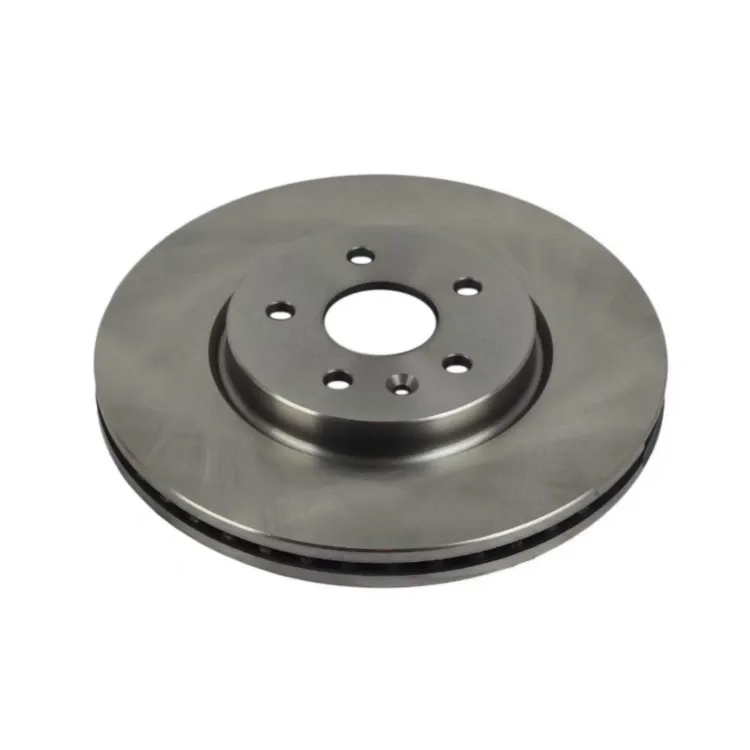
Whether you're a mechanic, fleet manager, or parts distributor, understanding these root causes helps prevent customer complaints—and boosts trust in your brand. That’s why we built our high-precision brake discs with CNC-machined flatness within ±0.03mm and anti-rust coatings tested in 1000+ hours of salt spray testing.
Explore our certified brake disc solutions trusted by repair shops across EU, US, and UAE markets.
Get High-Quality Brake Discs Now → 110
|
110
|
 brake disc installation errors positioning hole accuracy precision turning machining brake disc flatness commercial vehicle brake discs
316
|
brake drum rust protection commercial vehicle brake corrosion prevention freeze-thaw cycle brake drum maintenance anti-rust coating for brake drums salt spray resistant brake components
173
|
brake lining international certification VCA COP audit requirements E-MARK certification standards automotive braking system quality control high-performance brake pads
246
|
brake disc adaptability high-precision positioning holes E-mark certification OEM brake disc customization braking system interface compatibility
83
|
passenger car brake disc selection guide brake disc rust prevention technology automotive braking system solutions TS16949 certified brake discs B2B custom brake disc services
brake disc installation errors positioning hole accuracy precision turning machining brake disc flatness commercial vehicle brake discs
316
|
brake drum rust protection commercial vehicle brake corrosion prevention freeze-thaw cycle brake drum maintenance anti-rust coating for brake drums salt spray resistant brake components
173
|
brake lining international certification VCA COP audit requirements E-MARK certification standards automotive braking system quality control high-performance brake pads
246
|
brake disc adaptability high-precision positioning holes E-mark certification OEM brake disc customization braking system interface compatibility
83
|
passenger car brake disc selection guide brake disc rust prevention technology automotive braking system solutions TS16949 certified brake discs B2B custom brake disc services




.png?x-oss-process=image/resize,h_800,m_lfit/format,webp)