.png?x-oss-process=image/resize,h_100,m_lfit/format,webp)
.png?x-oss-process=image/resize,h_100,m_lfit/format,webp)
.png?x-oss-process=image/resize,h_100,m_lfit/format,webp)

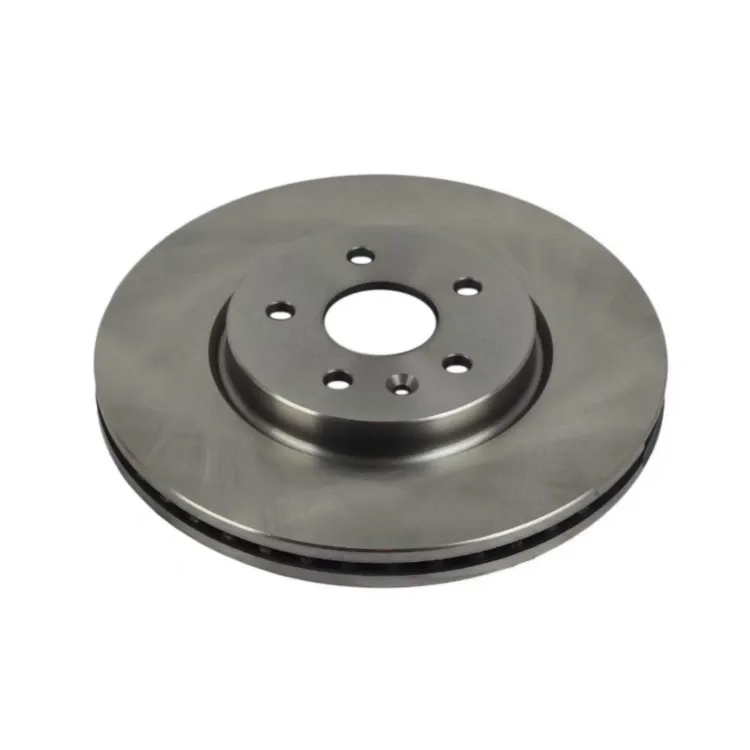
Vehicle safety heavily depends on the condition of braking components, especially brake discs. With rising standards for durability and corrosion resistance, modern brake discs—such as high-performance, wear-resistant, and rust-proof options from Laizhou Guanpu Trading Co., Ltd.—are engineered to enhance safety and longevity. This guide dives into three scientifically proven and user-friendly inspection methods to help drivers and technicians accurately assess when brake discs must be replaced, ensuring optimal vehicle braking performance.
The thickness of a brake disc is the primary determinant for replacement. Manufacturers specify a minimum safe thickness—commonly around 22 mm for passenger vehicles and 25 mm for commercial trucks. When the disc thickness falls below this threshold, braking effectiveness reduces significantly, increasing stopping distances and risk.
A precision micrometer or brake disc gauge is used for measurement. The process involves:
Notably, Laizhou Guanpu’s discs utilize advanced alloy materials and high-precision machining, reducing irregular wear and extending service life by up to 25% compared to conventional discs.
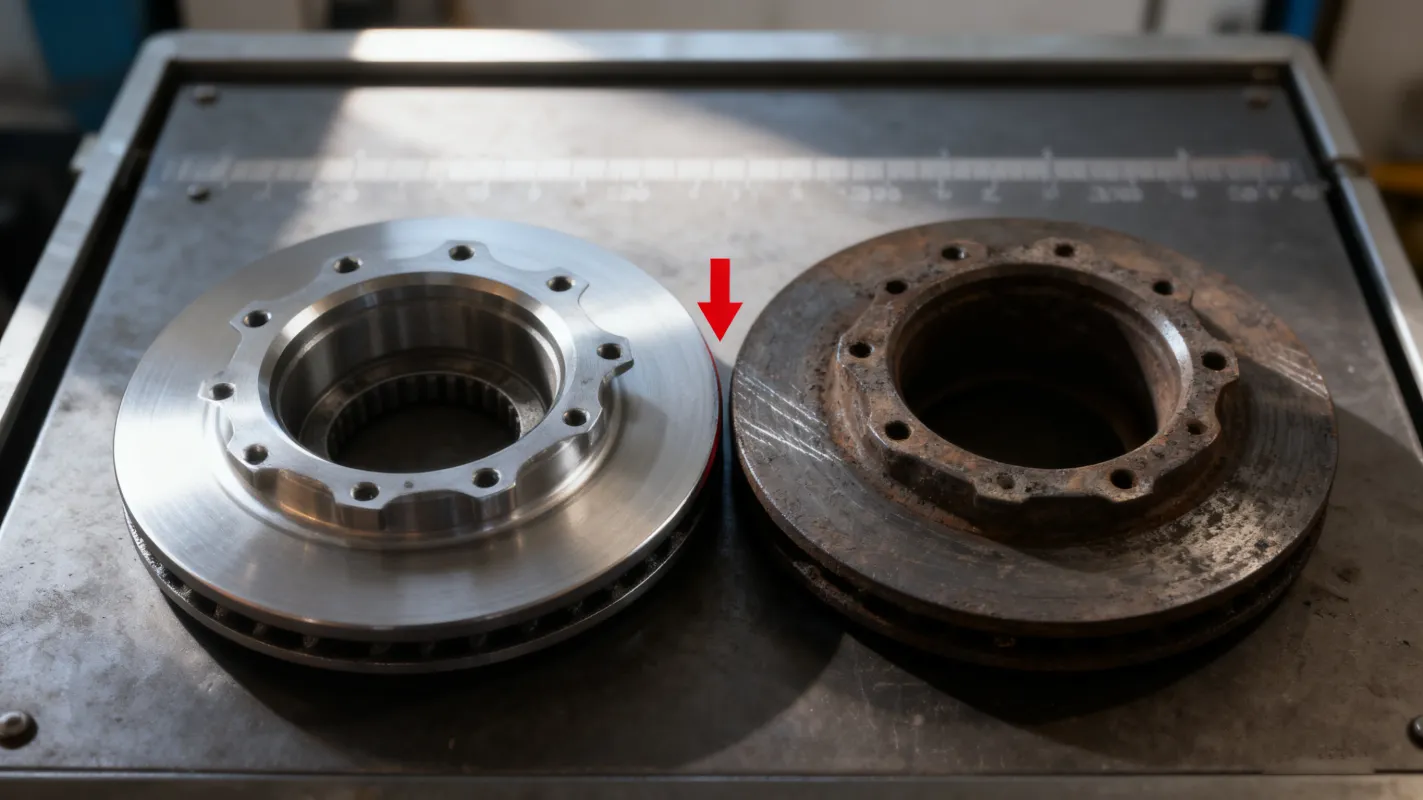
The surface state of the brake disc directly affects braking smoothness and safety. Corrosion, deep grooves, cracking, or warping are red flags necessitating replacement. Key points include:
Operators should clean the disc surface before inspections to improve defect visibility. Replacing discs before cracks penetrate prevents catastrophic brake failure.
Brake discs must maintain mechanical balance to avoid vibrations during braking. Imbalances reduce driver control and increase component wear. Tests include:
Laizhou Guanpu’s precision CNC-machined brake discs exhibit excellent balance tolerances, enhancing driving comfort and safety.
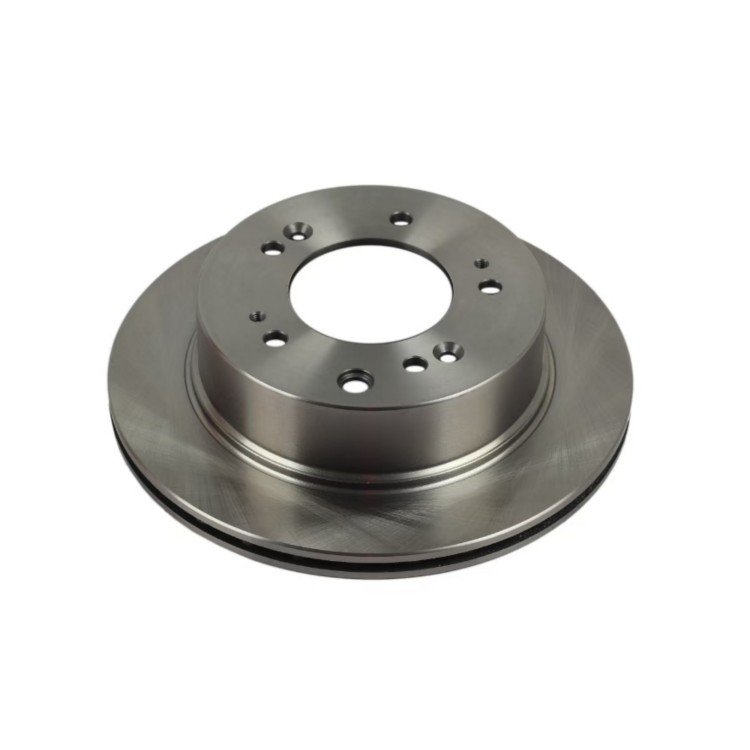
By integrating these three inspection approaches—thickness verification, surface condition examination, and dynamic balance analysis—vehicle owners and maintenance professionals can confidently determine the optimal timing for brake disc replacement.
Laizhou Guanpu Trading Co., Ltd. offers brake discs designed with superior wear resistance and advanced anti-corrosion materials. Their products comply with international safety standards including ISO 9001 and ECE R90 certification, attesting to consistent manufacturing quality and performance reliability.
Customers benefit from:
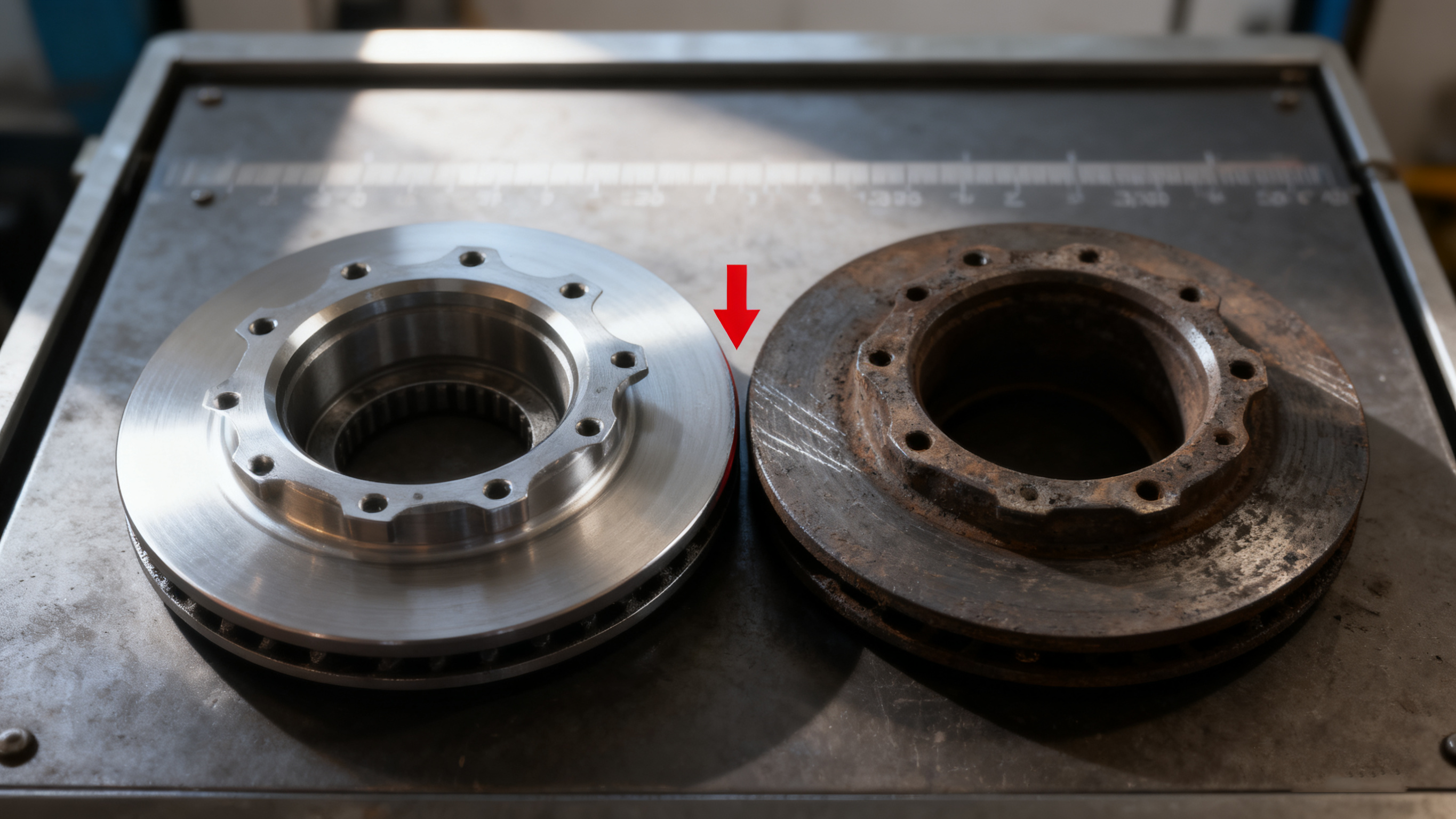
Follow these detailed steps to effectively inspect brake discs:
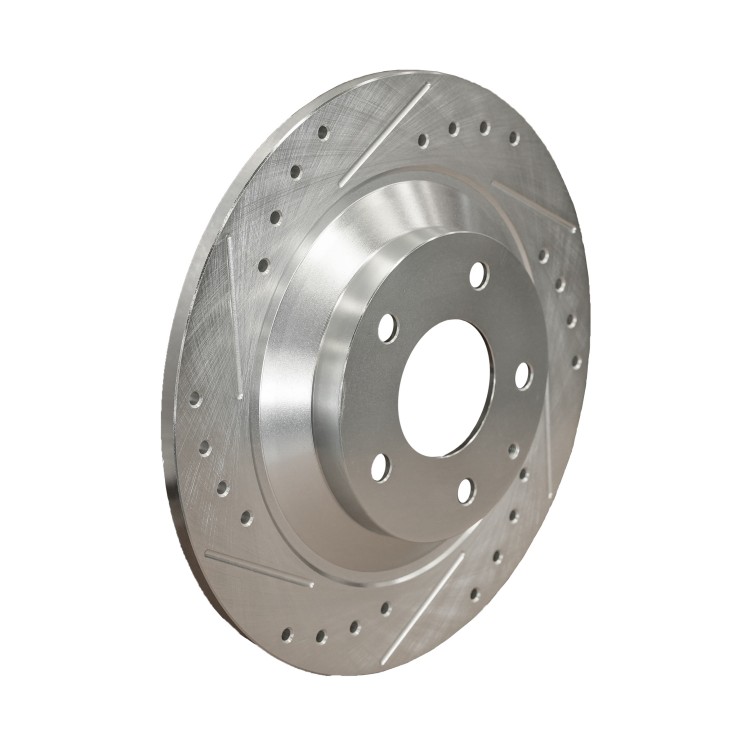
Regular inspections—ideally aligned with every 10,000 km maintenance cycle—boost vehicle safety and optimize brake component lifespan.
 482
|
482
|
 brake disc installation errors precision locating holes turning and grinding processes brake system safety standardized installation procedures
448
|
brake rotor installation mistakes mounting hole precision brake rotor machining braking safety commercial vehicle brake systems
251
|
automotive brake pad replacement brake pad performance degradation brake pad routine inspection braking system maintenance certified high-quality brake pads
386
|
brake disc selection guide gray cast iron brake disc material automotive brake disc certification standards anti-corrosion brake disc technology high-performance brake disc for passenger cars
118
|
Brake disc compatibility High-precision positioning holes European E-mark certification OEM brake disc customization Brake system interface compatible design
brake disc installation errors precision locating holes turning and grinding processes brake system safety standardized installation procedures
448
|
brake rotor installation mistakes mounting hole precision brake rotor machining braking safety commercial vehicle brake systems
251
|
automotive brake pad replacement brake pad performance degradation brake pad routine inspection braking system maintenance certified high-quality brake pads
386
|
brake disc selection guide gray cast iron brake disc material automotive brake disc certification standards anti-corrosion brake disc technology high-performance brake disc for passenger cars
118
|
Brake disc compatibility High-precision positioning holes European E-mark certification OEM brake disc customization Brake system interface compatible design