.png?x-oss-process=image/resize,h_100,m_lfit/format,webp)
.png?x-oss-process=image/resize,h_100,m_lfit/format,webp)
.png?x-oss-process=image/resize,h_100,m_lfit/format,webp)
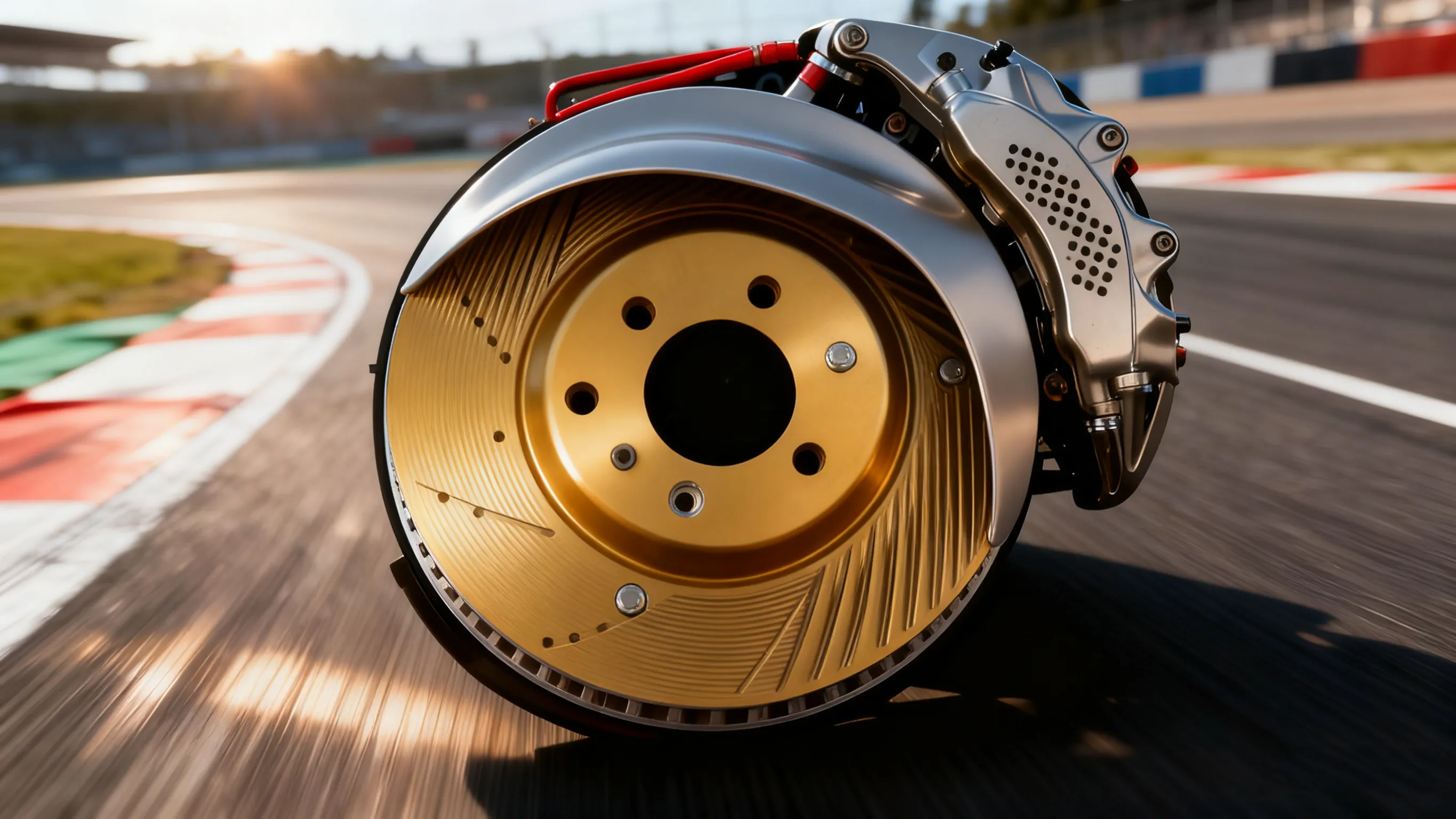
Struggling with brake disc noise or vibrations? Avoid wasting money on the wrong choice! This quick guide shares key tips to skip common buying traps, plus fast troubleshooting methods to fix typical brake issues right away.
Brake noise and shaking often send buyers into a panic. Fortunately, fast diagnosis tools and simple visual checks can pinpoint common causes:
| Step | Method | Purpose & What to Look For |
|---|---|---|
| 1. Visual Inspection | Examine the brake disc surface with the naked eye | Look for grooves, rust spots, cracks, or warping. Even slight discoloration can indicate overheating. |
| 2. Basic Measurement | Use a dial indicator or micrometer for thickness and lateral run-out | Thickness below manufacturer’s minimum reduces braking efficiency. Run-out beyond 0.05 mm often causes vibration and noise. |
Pro Tip:
Regularly inspecting brake discs every 10,000 miles can prevent sudden failures and optimize brake system lifespan—even small deviations from specifications can cause noticeable symptoms.
Remember the golden formula for brake disc selection and maintenance:
"Choose proper material, confirm model fitment, and diagnose precisely."
Discover brake discs engineered for perfect vehicle compatibility and premium quality control. These discs deliver quiet operation, superior heat dissipation, and extended service life for your fleet or production line.
 139
|
139
|
 brake pad replacement indicators brake performance degradation automotive brake maintenance vehicle safety inspection brake system health check
316
|
brake drum rust protection commercial vehicle brake corrosion prevention freeze-thaw cycle brake drum maintenance anti-rust coating for brake drums salt spray resistant brake components
118
|
Brake disc compatibility High-precision positioning holes European E-mark certification OEM brake disc customization Brake system interface compatible design
246
|
brake disc adaptability high-precision positioning holes E-mark certification OEM brake disc customization braking system interface compatibility
102
|
brake disc installation errors locating hole precision turning machining process commercial vehicle brake discs brake disc surface flatness
brake pad replacement indicators brake performance degradation automotive brake maintenance vehicle safety inspection brake system health check
316
|
brake drum rust protection commercial vehicle brake corrosion prevention freeze-thaw cycle brake drum maintenance anti-rust coating for brake drums salt spray resistant brake components
118
|
Brake disc compatibility High-precision positioning holes European E-mark certification OEM brake disc customization Brake system interface compatible design
246
|
brake disc adaptability high-precision positioning holes E-mark certification OEM brake disc customization braking system interface compatibility
102
|
brake disc installation errors locating hole precision turning machining process commercial vehicle brake discs brake disc surface flatness