


.png?x-oss-process=image/resize,h_100,m_lfit/format,webp)
.png?x-oss-process=image/resize,h_100,m_lfit/format,webp)
.png?x-oss-process=image/resize,h_100,m_lfit/format,webp)

In the global automotive aftermarket, the challenge of brake disc compatibility is a significant hurdle. With countless vehicle models worldwide, achieving a high level of universality seems like an insurmountable task. However, some innovative manufacturers have managed to break through this barrier, offering brake discs that can fit over 99% of vehicle models globally. This article delves into the engineering essence behind this remarkable achievement.
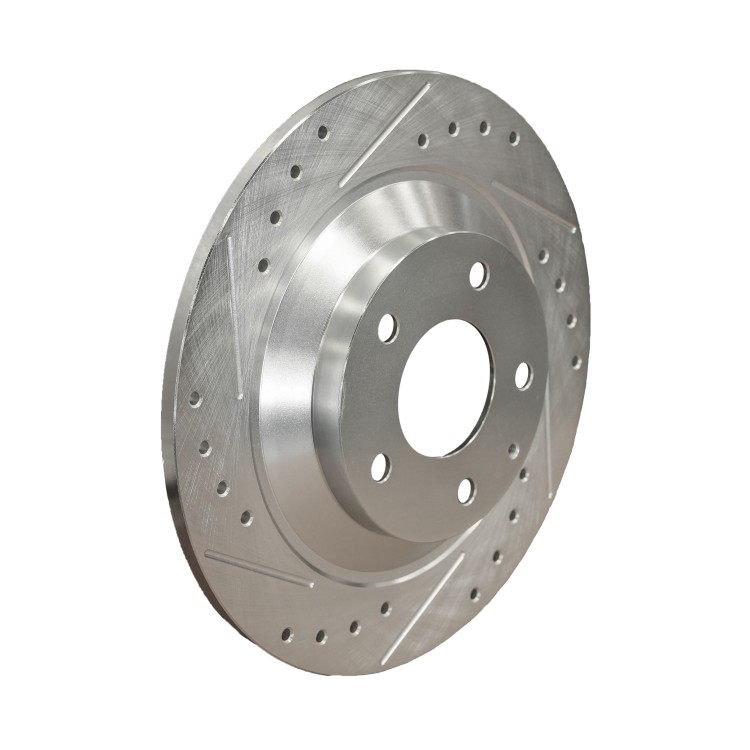
Three core technologies play a crucial role in achieving such a high compatibility rate. Firstly, precision control of the positioning holes is essential. The positioning holes on the brake disc must be machined with extremely high accuracy to ensure proper alignment with different vehicle models. Even a small deviation can lead to installation issues or poor braking performance. By using advanced machining techniques and strict quality control measures, manufacturers can achieve a positioning hole accuracy within a tolerance of ±0.05mm.
Secondly, size tolerance management is another key factor. Brake discs come in various sizes, and the ability to control the size within a narrow tolerance range is vital for compatibility. Through precise manufacturing processes and continuous improvement, manufacturers can maintain the size tolerance of the brake disc within ±0.1mm, ensuring a proper fit for a wide range of vehicles.
Lastly, standardization of the installation interface design is critical. The installation interface of the brake disc needs to be designed to be compatible with different vehicle braking systems. By analyzing the common features of various braking system interfaces and conducting in - depth research, manufacturers can develop a standardized installation interface that can adapt to most vehicle models. An information chart comparing the interface differences between different vehicle models can be used here to visually illustrate the complexity and the solution of this problem.
The R90 E - mark certification is a significant standard in the European automotive market. It sets strict requirements for the safety and performance of brake discs. The certification process involves a series of rigorous tests, including braking efficiency, heat resistance, and durability tests. This compliance requirement actually drives the optimization of product design. Manufacturers need to continuously improve their products to meet the certification standards, which in turn enhances the overall quality and compatibility of the brake discs.
The R90 E - mark certification standard requires that the brake disc must be able to provide stable braking performance under various operating conditions, and its structural integrity must be maintained during long - term use.
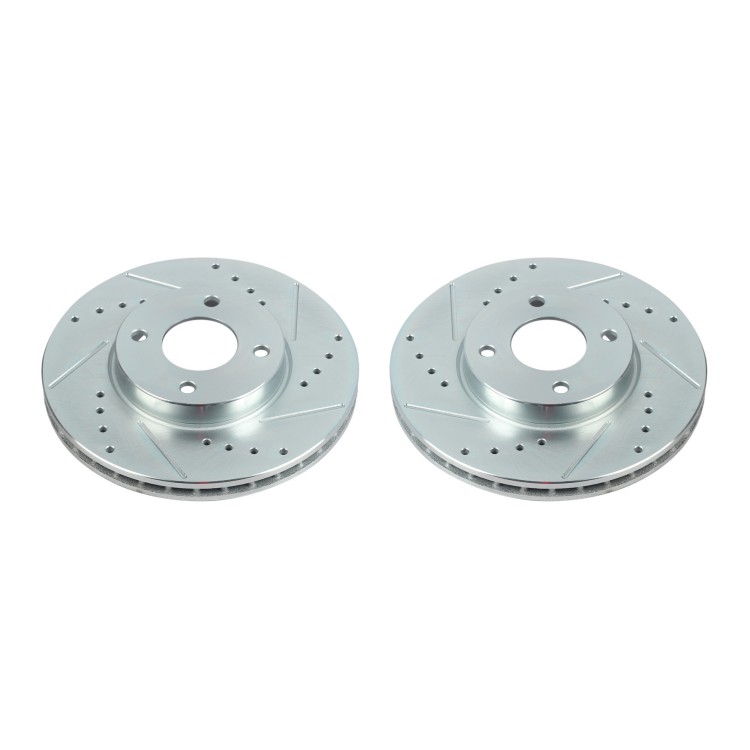
Based on the unified technical platform, manufacturers can offer flexible OEM/ODM customization services. Even though the brake discs have a high universal compatibility rate, some customers may still have specific requirements. The OEM/ODM service can quickly respond to these customer needs. For example, if a customer needs a brake disc with a special coating or a unique logo, the manufacturer can customize the product according to the customer's design. This rapid response mechanism is based on the standardized design and production process, which allows the manufacturer to adjust the production line quickly without sacrificing quality or efficiency.
This design system provides significant value for overseas customers looking to expand into new markets. For distributors, the high - compatibility brake discs reduce the inventory pressure as they can stock a smaller variety of products to meet the needs of a large number of customers. For vehicle repair shops, it simplifies the procurement process and reduces the risk of purchasing the wrong parts. This set of design logic is precisely the underlying ability that helps customers successfully enter markets in Europe, Southeast Asia, and other regions.
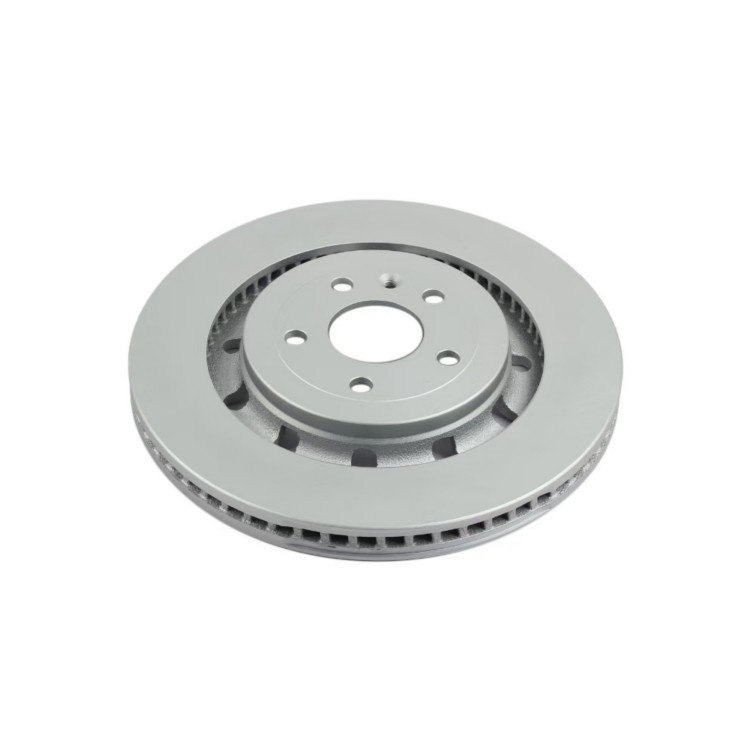
Are you looking for high - quality, universally compatible brake discs? Discover our innovative solutions and explore the possibilities of expanding your business in the global automotive aftermarket. Click here to learn more!


