.png?x-oss-process=image/resize,h_100,m_lfit/format,webp)
.png?x-oss-process=image/resize,h_100,m_lfit/format,webp)
.png?x-oss-process=image/resize,h_100,m_lfit/format,webp)
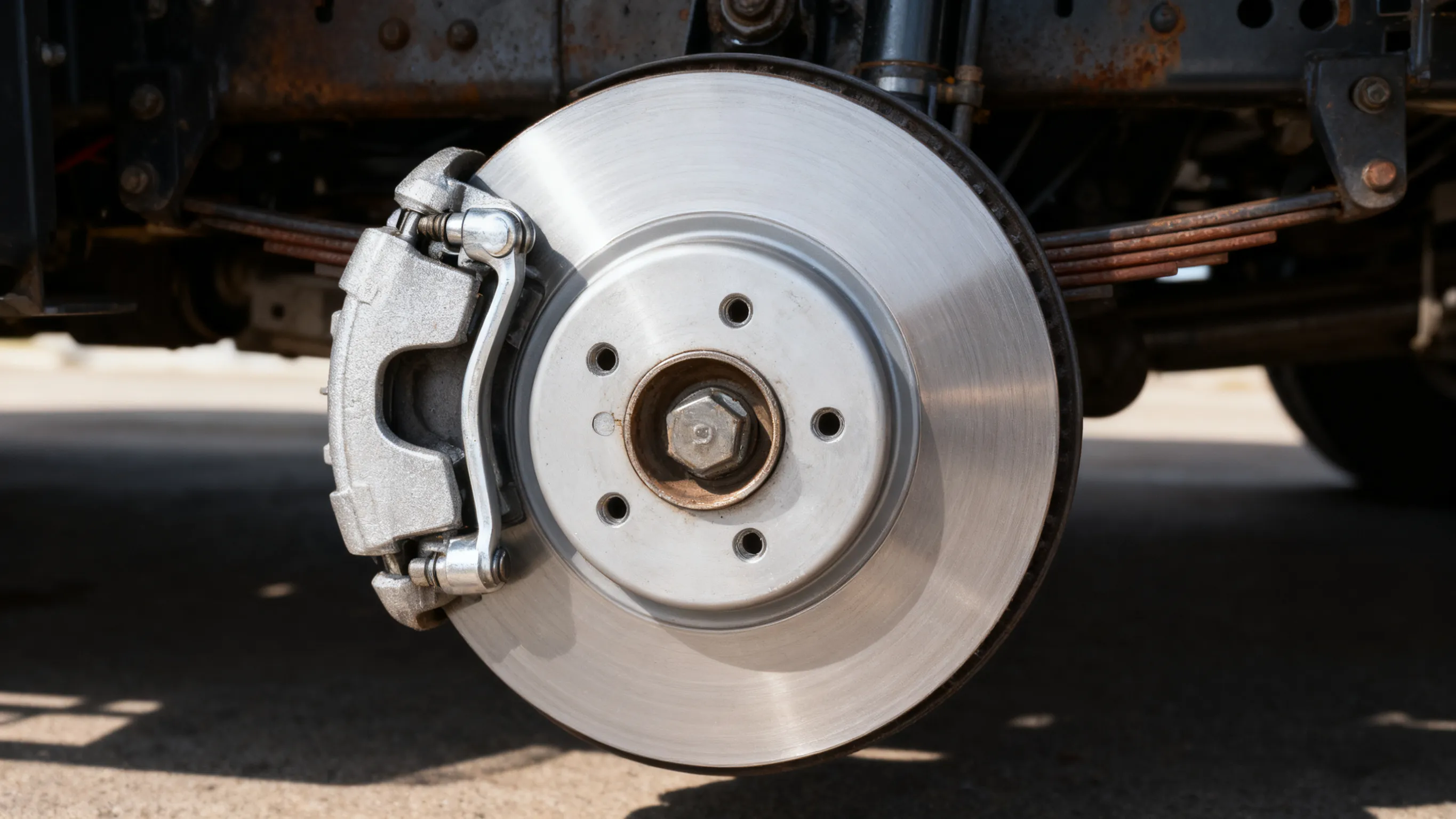
In the daily use of a car, the wear and tear of the brake discs directly affects driving safety. Many car owners are concerned about when brake discs need to be replaced. Over-replacing them increases costs, while failing to replace them in time can lead to serious safety hazards. Next, we will focus on this most pressing question for users: "when to replace them," and provide a detailed explanation of how to determine this.
Generally, the wear limit thickness of brake discs varies between different car models, but usually, replacement should be considered when the disc wears down by 2-3 millimeters from the original thickness. For example, if a car model has a factory brake disc thickness of 28 millimeters, it should be closely monitored when it wears down to 25-26 millimeters. Additionally, the groove depth threshold for brake discs is generally no more than 0.5 millimeters; exceeding this value will also affect braking performance.
Visually inspect the brake disc surface for obvious grooves and chamfered edges. A normal brake disc surface should be smooth and flat. If deep grooves exceeding 0.5 mm are found, or if there are obvious chamfered edges, it indicates that the brake disc has already experienced a certain degree of wear.
Using calipers to measure the thickness of brake discs is a relatively accurate method. Place the two measuring feet of the calipers on either side of the brake disc and measure the current thickness value, then compare it with the original factory standard value. If the measured value is close to or has reached the wear limit thickness, the brake disc needs to be replaced promptly.
If there are abnormal noises from the brakes, such as a sharp friction sound; the braking distance is significantly longer, increasing by 10% to 15% compared to normal; or the steering wheel vibrates when braking, these may be signs of excessive wear on the brake discs.
A key point to pay attention to is the "emergency replacement signal." When the brake disc wears down to the warning line, it will usually emit a continuous alarm sound, at which point the brake disc must be replaced immediately. Additionally, if cracks are found on the brake disc surface, regardless of the size of the crack, it must be replaced immediately, as cracks will seriously affect the strength and safety of the brake disc.
In summary, using these methods, even non-professional users can quickly determine the wear condition of brake discs. For your safety and the safety of others, please regularly check the wear condition of your brake discs and replace excessively worn brake discs promptly.
If you are looking for high-quality brake discs, we offer excellent solutions. Click here to learn more!
 172
|
172
|
 automotive brake lining certification VCA COP audit requirements E-MARK certification standards brake system quality control high-performance brake linings
388
|
brake drum corrosion protection high humidity brake drum treatment commercial vehicle brake corrosion prevention oil seal vs coating brake protection Middle East brake drum solutions
386
|
brake disc selection guide gray cast iron brake disc material automotive brake disc certification standards anti-corrosion brake disc technology high-performance brake disc for passenger cars
397
|
brake drum rust protection brake drum anti-corrosion technology commercial vehicle brake system protection rust prevention coatings for automotive parts brake drum surface treatment process
278
|
brake disc noise brake vibration brake pad wear brake disc runout brake maintenance
automotive brake lining certification VCA COP audit requirements E-MARK certification standards brake system quality control high-performance brake linings
388
|
brake drum corrosion protection high humidity brake drum treatment commercial vehicle brake corrosion prevention oil seal vs coating brake protection Middle East brake drum solutions
386
|
brake disc selection guide gray cast iron brake disc material automotive brake disc certification standards anti-corrosion brake disc technology high-performance brake disc for passenger cars
397
|
brake drum rust protection brake drum anti-corrosion technology commercial vehicle brake system protection rust prevention coatings for automotive parts brake drum surface treatment process
278
|
brake disc noise brake vibration brake pad wear brake disc runout brake maintenance