.png?x-oss-process=image/resize,h_100,m_lfit/format,webp)
.png?x-oss-process=image/resize,h_100,m_lfit/format,webp)
.png?x-oss-process=image/resize,h_100,m_lfit/format,webp)

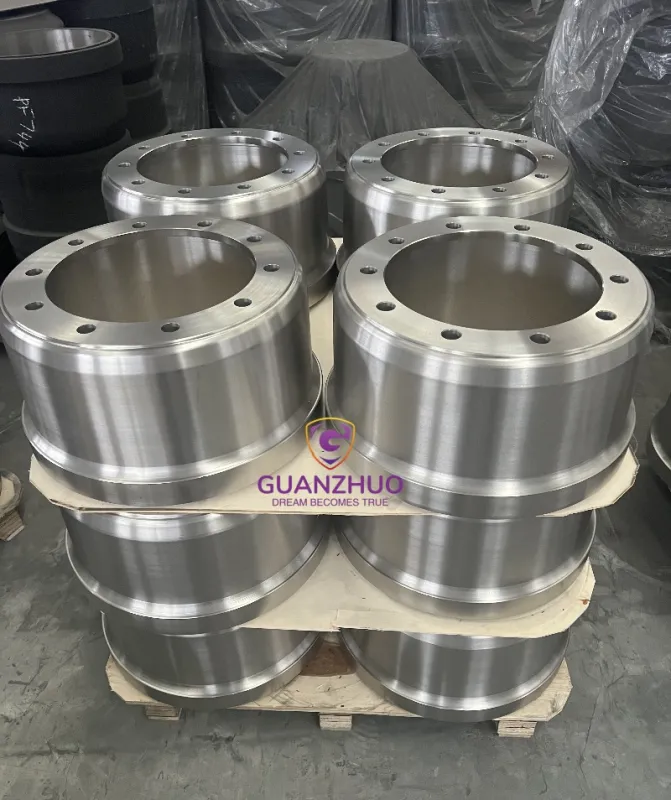
In the highly competitive automotive parts market, the compatibility of brake discs with various vehicle models is a crucial factor. A brake disc that can achieve over 99% compatibility rate with global vehicle models is a remarkable product. The secret lies in its high - precision positioning hole design.
Different vehicle models have different interface requirements for brake discs. High - precision positioning holes play a key role in solving these differences. By precisely designing the size, position, and shape of the positioning holes, the brake disc can be accurately installed on various vehicles. For example, through advanced machining technology, the positioning hole tolerance can be controlled within a very small range, ensuring that the brake disc can fit different vehicle models.
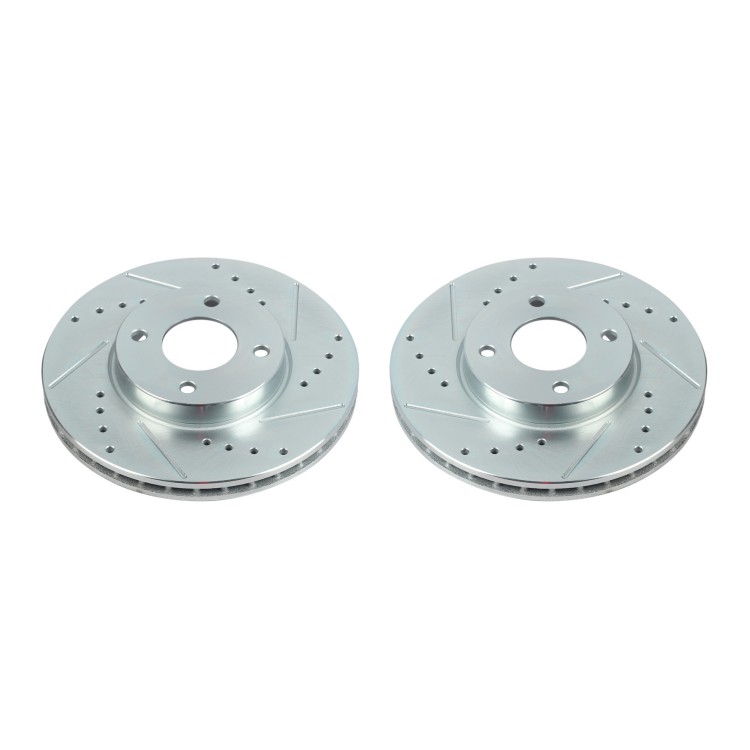
Dimensional tolerance management is a critical factor affecting the compatibility rate of brake discs. Strict control of size tolerances can ensure that the brake disc can adapt to different vehicle models. For instance, if the tolerance of the positioning hole diameter is controlled within ±0.05mm, it can significantly improve the compatibility rate. Through scientific dimensional tolerance management, the brake disc can achieve seamless matching with different vehicle models, thereby increasing the compatibility rate to over 99%.
Standardized design of installation interfaces is an important engineering practice to improve the compatibility of brake discs. By standardizing the installation interface, such as the shape, size, and connection method of the interface, the brake disc can be more easily installed on different vehicle models. In the engineering practice, designers need to consider the characteristics of different vehicle models and develop a unified installation interface standard. This standard not only needs to meet the requirements of current vehicle models but also has certain forward - looking to adapt to future vehicle development trends.
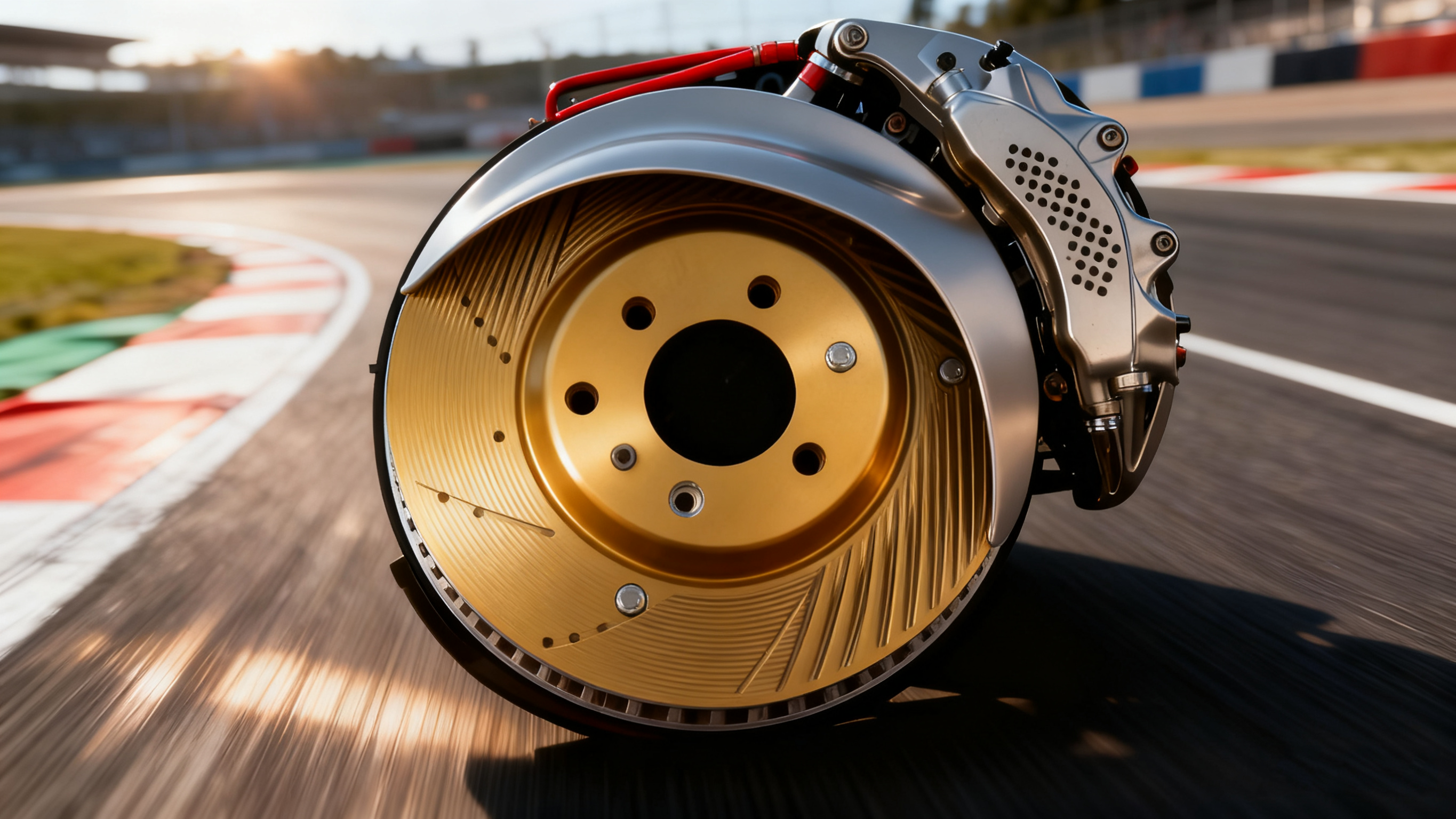
The R90 E - mark certification is an important certification for brake discs to enter the European market. This certification process includes a series of strict tests, such as thermal attenuation tests and durability cycle verifications. The thermal attenuation test is used to evaluate the performance of the brake disc under high - temperature conditions, ensuring that the brake disc can still maintain good braking performance in high - temperature environments. The durability cycle verification is used to test the service life of the brake disc, ensuring that the brake disc can withstand long - term use. By passing these tests, the brake disc can obtain the R90 E - mark certification, indicating that it meets the European safety and quality standards.
Based on the above - mentioned high - precision positioning hole design and R90 E - mark certification system, OEM/ODM customization services can quickly respond to customer needs. Whether it is an auto parts importer, an OEM manufacturer, or a post - market practitioner, they can obtain customized brake disc products according to their own needs. For example, customers can put forward special requirements for the material, size, and performance of the brake disc, and the manufacturer can quickly develop and produce corresponding products based on the existing system.
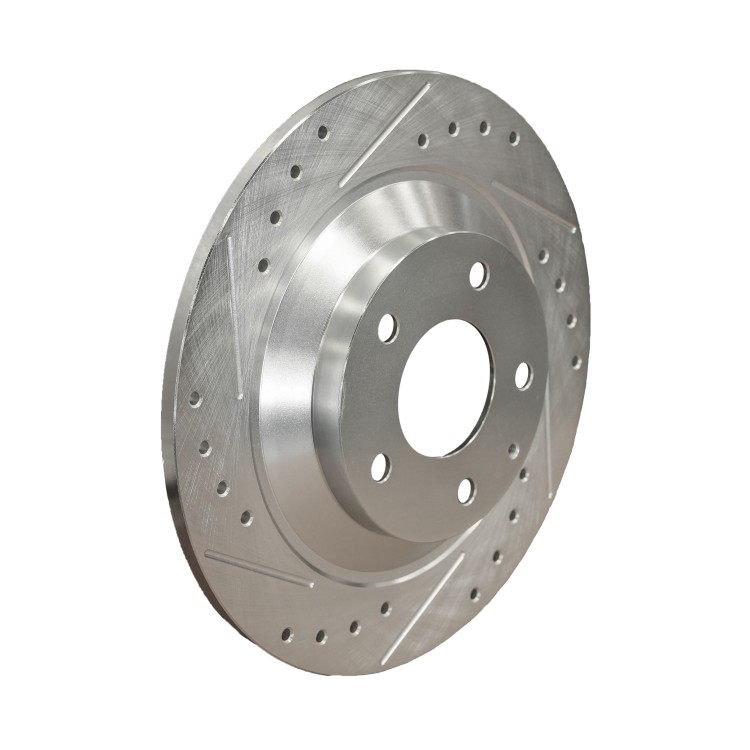
In conclusion, we are not just selling brake discs; we are providing a replicable adaptation engineering methodology. This methodology can help auto parts importers, OEM manufacturers, and post - market practitioners improve product compatibility and international competitiveness. If you are interested in our high - compatibility brake discs and customized services, click here to learn more.
 486
|
486
|
 Brake kit selection guide Brake kit compatibility judgment method Vehicle brake matching Brake installation essentials Brake system maintenance
497
|
Brake kit selection guide ABS ring gear adaptability judgment New energy vehicle brake system optimization Brake kit installation essentials Braking performance improvement solutions
370
|
brake kit selection guide vehicle brake kit compatibility brake kit installation checklist single disc brake kit dual disc brake kit
321
|
Commercial vehicle brake pads certification standards Heavy - duty truck braking solutions E - MARK R90 certification details IATF TS16949 compliance guide Advantages of copper - free ceramic brake pads
431
|
Brake kit selection guide ABS ring gear kit adaptation Vehicle brake installation key points Brake system matching method Brake kit maintenance skills
Brake kit selection guide Brake kit compatibility judgment method Vehicle brake matching Brake installation essentials Brake system maintenance
497
|
Brake kit selection guide ABS ring gear adaptability judgment New energy vehicle brake system optimization Brake kit installation essentials Braking performance improvement solutions
370
|
brake kit selection guide vehicle brake kit compatibility brake kit installation checklist single disc brake kit dual disc brake kit
321
|
Commercial vehicle brake pads certification standards Heavy - duty truck braking solutions E - MARK R90 certification details IATF TS16949 compliance guide Advantages of copper - free ceramic brake pads
431
|
Brake kit selection guide ABS ring gear kit adaptation Vehicle brake installation key points Brake system matching method Brake kit maintenance skills