.png?x-oss-process=image/resize,h_100,m_lfit/format,webp)
.png?x-oss-process=image/resize,h_100,m_lfit/format,webp)
.png?x-oss-process=image/resize,h_100,m_lfit/format,webp)

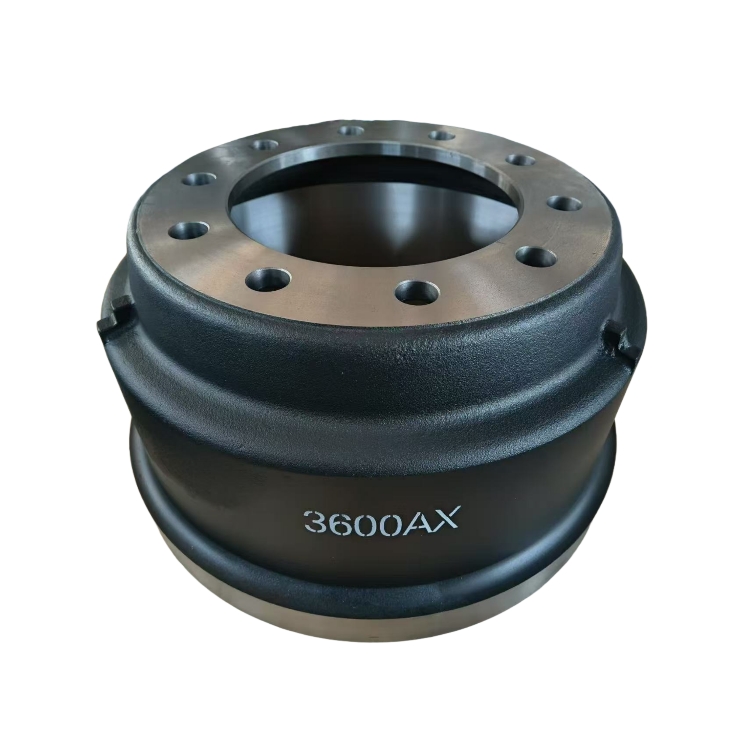
In the commercial vehicle industry, the corrosion of brake drums is a critical issue that affects vehicle safety and maintenance efficiency. Damp, rainy, or high - salt - fog environments are the 'invisible killers' of brake drum corrosion. Selecting an appropriate anti - rust treatment solution is essential for ensuring the long - term performance of brake drums.
This article delves into the microscopic structural differences between two mainstream anti - rust processes: oil sealing and spraying. From coating thickness to penetration depth and weather resistance test data, we aim to help you understand the real - world application performance in different climate zones, such as Southeast Asia, Northern Europe, and the Middle East.
The microscopic structure of the anti - rust coating plays a decisive role in its environmental adaptability. Oil - sealed coatings typically have a relatively uniform and dense structure. The oil forms a protective film on the surface of the brake drum, preventing moisture and oxygen from coming into contact with the metal. In contrast, sprayed coatings may have a more porous structure, but they can penetrate deeper into the surface pores of the brake drum, providing better adhesion and long - term protection.
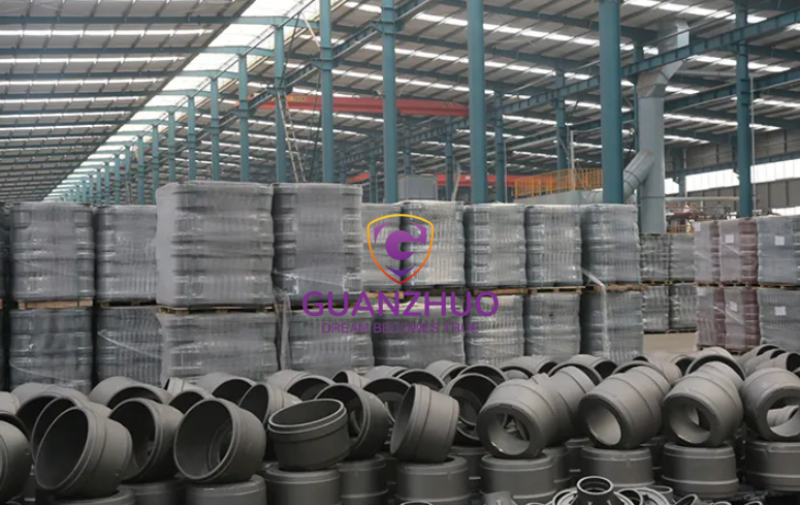
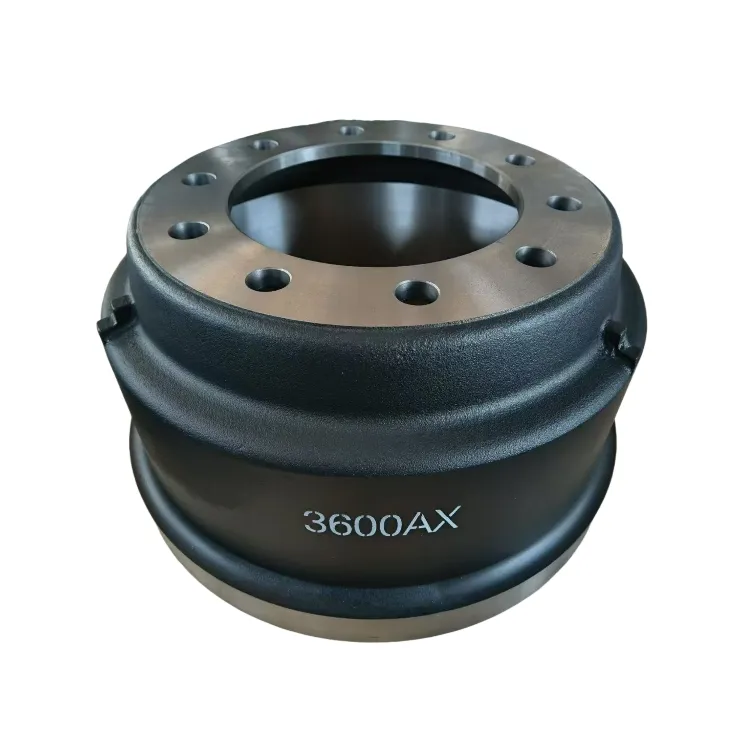
Our company uses G3000 gray cast iron combined with spraying anti - rust treatment, which meets the IATF TS16949 standard. This combination ensures high - quality brake drums with excellent anti - rust performance.
Different climate zones have unique environmental characteristics, such as humidity, temperature fluctuations, and salt - fog concentration. In Southeast Asia, high humidity and high temperatures are common. Oil - sealed coatings may be more suitable in the short term due to their ability to quickly form a protective film. However, in the long run, sprayed coatings may be a better choice as they can withstand the harsh conditions and prevent corrosion more effectively.
In Northern Europe, where there are large temperature differences between seasons and high humidity in winter, sprayed coatings are often preferred. Their deep penetration and good adhesion can resist the damage caused by temperature changes and moisture. In the Middle East, high - salt - fog environments are a major challenge. Sprayed coatings with high corrosion resistance are recommended to protect the brake drums from salt - fog corrosion.
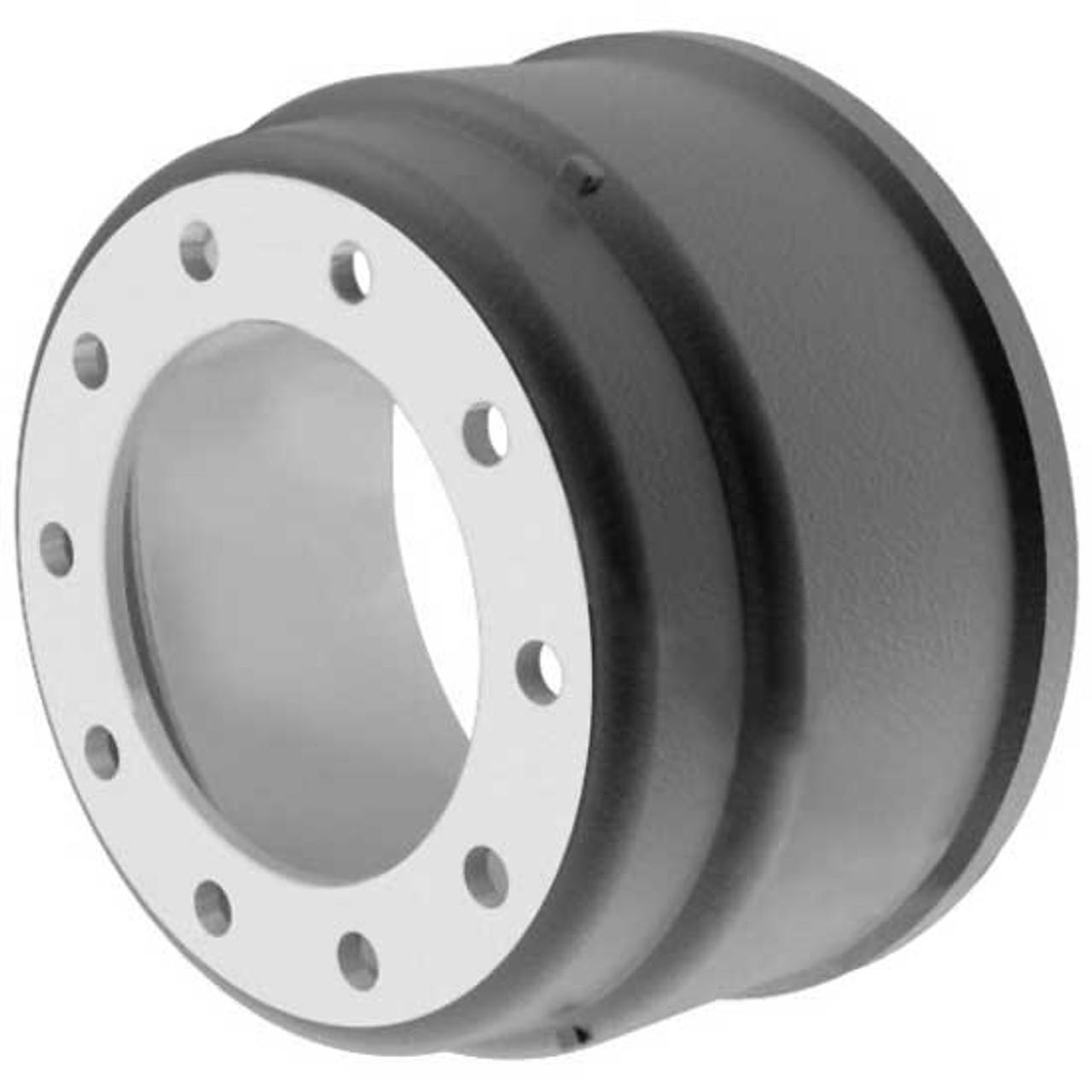
To enhance the credibility of our analysis, we have introduced third - party test reports and real - user cases. For example, a transportation company in Southeast Asia reported that after using our brake drums with sprayed anti - rust treatment, the frequency of brake component replacement was reduced by 30%. Another company in Northern Europe found that the maintenance cost of their vehicles decreased by 25% due to the improved anti - rust performance of our brake drums.
"Since we switched to the brake drums with sprayed anti - rust treatment, we have noticed a significant improvement in the durability of our vehicles' braking systems. The maintenance frequency has been greatly reduced, which saves us a lot of time and money." - A satisfied customer
To help customers quickly select the most suitable anti - rust treatment solution for their operating environments, we have designed a simple decision - making flowchart. This flowchart takes into account factors such as climate, operating conditions, and budget, allowing customers to make informed decisions.
We are committed to keeping our content up - to - date by continuously updating regional cases. This ensures that our information remains timely and professionally authoritative.
Do you want to share the local climate conditions in your area? Leave a message below and let's discuss the best anti - rust solutions for your brake drums!
Explore Our High - Quality Brake Drums with Advanced Anti - rust Treatment 112
|
112
|
 new energy vehicle brake systems brake kit compatibility brake kit installation guide ABS tone ring kits electric vehicle brake materials
169
|
high carbon steel brake disc wear-resistant brake disc commercial vehicle brake upgrade corrosion-resistant brake components global compatible brake disc
273
|
brake kit selection guide single-piece brake kit two-piece brake kit brake system adaptability automobile brake kit installation skills
478
|
Brake disc adaptability High - precision positioning holes European E - mark certification OEM brake disc customization Brake system interface compatible design
446
|
brake disc replacement wear-resistant brake disc brake disc inspection methods high-performance brake disc vehicle brake safety
new energy vehicle brake systems brake kit compatibility brake kit installation guide ABS tone ring kits electric vehicle brake materials
169
|
high carbon steel brake disc wear-resistant brake disc commercial vehicle brake upgrade corrosion-resistant brake components global compatible brake disc
273
|
brake kit selection guide single-piece brake kit two-piece brake kit brake system adaptability automobile brake kit installation skills
478
|
Brake disc adaptability High - precision positioning holes European E - mark certification OEM brake disc customization Brake system interface compatible design
446
|
brake disc replacement wear-resistant brake disc brake disc inspection methods high-performance brake disc vehicle brake safety