.png?x-oss-process=image/resize,h_100,m_lfit/format,webp)
.png?x-oss-process=image/resize,h_100,m_lfit/format,webp)
.png?x-oss-process=image/resize,h_100,m_lfit/format,webp)

For commercial vehicle fleets operating in consistently damp and rainy areas, preventing rust on brake drums is vital to maintain reliable braking performance and avoid costly downtime. This exploration delves into the two principal anti-corrosion treatments: oil sealing and protective coating (spray coating), analyzing their technical mechanisms, climatic suitability, and real-world effectiveness across diverse environments such as Southeast Asia, Northern Europe, and the Middle East.
Brake drums are highly exposed to moisture, road salts, and pollutants in humid settings, accelerating surface oxidation. Studies reveal that untreated drums in such conditions can lose braking efficiency by up to 20% within the first six months due to rust formation. Rust not only compromises safety but also increases maintenance frequency and fleet operating costs. Thus, selecting a robust rust protection strategy tailored to your environment is critical.
Oil sealing involves applying a thin, lubricative oil film into microscopic surface pores of the brake drum metal. This film forms a barrier that prevents water and oxygen contact, the main agents of oxidation. The hydrophobic nature of the oil also aids in repelling water during rainy seasons.
Ideal Conditions: Oil sealing is especially effective in tropical regions like Southeast Asia, where high humidity and heavy rainfall dominate but saline exposure is moderate. The oil film’s self-healing properties can withstand multiple wet-dry cycles.
Considerations: However, in areas with extreme dust or abrasive road conditions, oil-sealed drums may require more frequent reapplication. Also, excessive oil thickness can interfere with brake lining contact if not controlled precisely.
Spray coating uses corrosion-resistant paints or polymer-rich layers applied uniformly over the drum surface. This coating creates a hard, impermeable shield that blocks moisture and salt ingress.
Ideal Conditions: Coatings are highly recommended in temperate maritime climates such as Northern Europe, where road salt is extensively used during winter. The coating’s resilience against chemical exposure significantly extends service intervals.
Considerations: Nonetheless, mechanical impacts can chip spray coatings, requiring touch-ups. The curing process also adds steps to drum manufacturing or maintenance cycles.
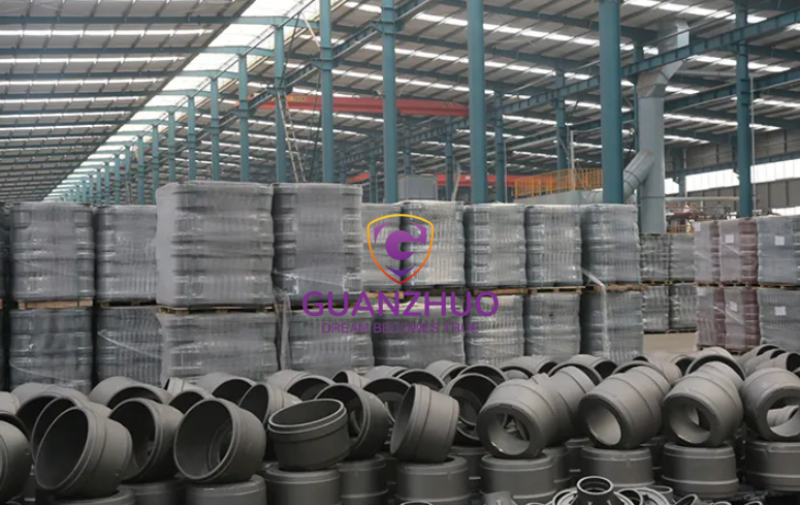
Southeast Asia: Fleets utilizing oil sealing observed a 35% reduction in rust-related downtime over 12 months compared to unprotected drums. Oil seal maintenance cycles ranged between 9 to 12 months, balancing cost and protection.
Nordic Countries: Spray coated drums demonstrated superior durability in sub-zero and salty road conditions, reducing corrosion incidents by 50%, and extending service life by up to 18 months between recoating.
Middle East: Despite lower humidity, dust and sand abrasion led to coating degradation faster than oil seals, necessitating hybrid approaches integrating oil sealing for critical fleet components.
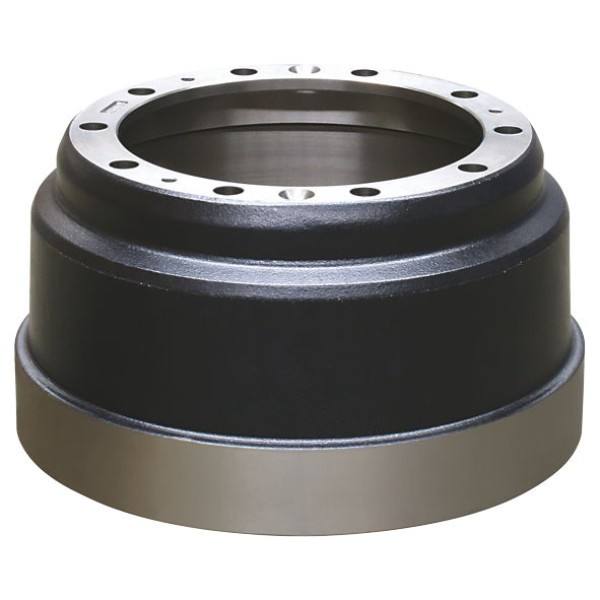
Consider the following checklist when deciding between oil sealing and spray coating for your fleet:
| Criteria | Oil Sealing | Spray Coating |
|---|---|---|
| Moisture Level | High humidity and heavy rain | Moderate to high with salt exposure |
| Chemical Exposure | Low to moderate | High (road salts, de-icing agents) |
| Maintenance Frequency | Every 9–12 months | Every 18–24 months |
| Abrasion Resistance | Moderate, sensitive to dust | High, but susceptible to chipping |
| Application Complexity | Simple, fast | Requires curing time |
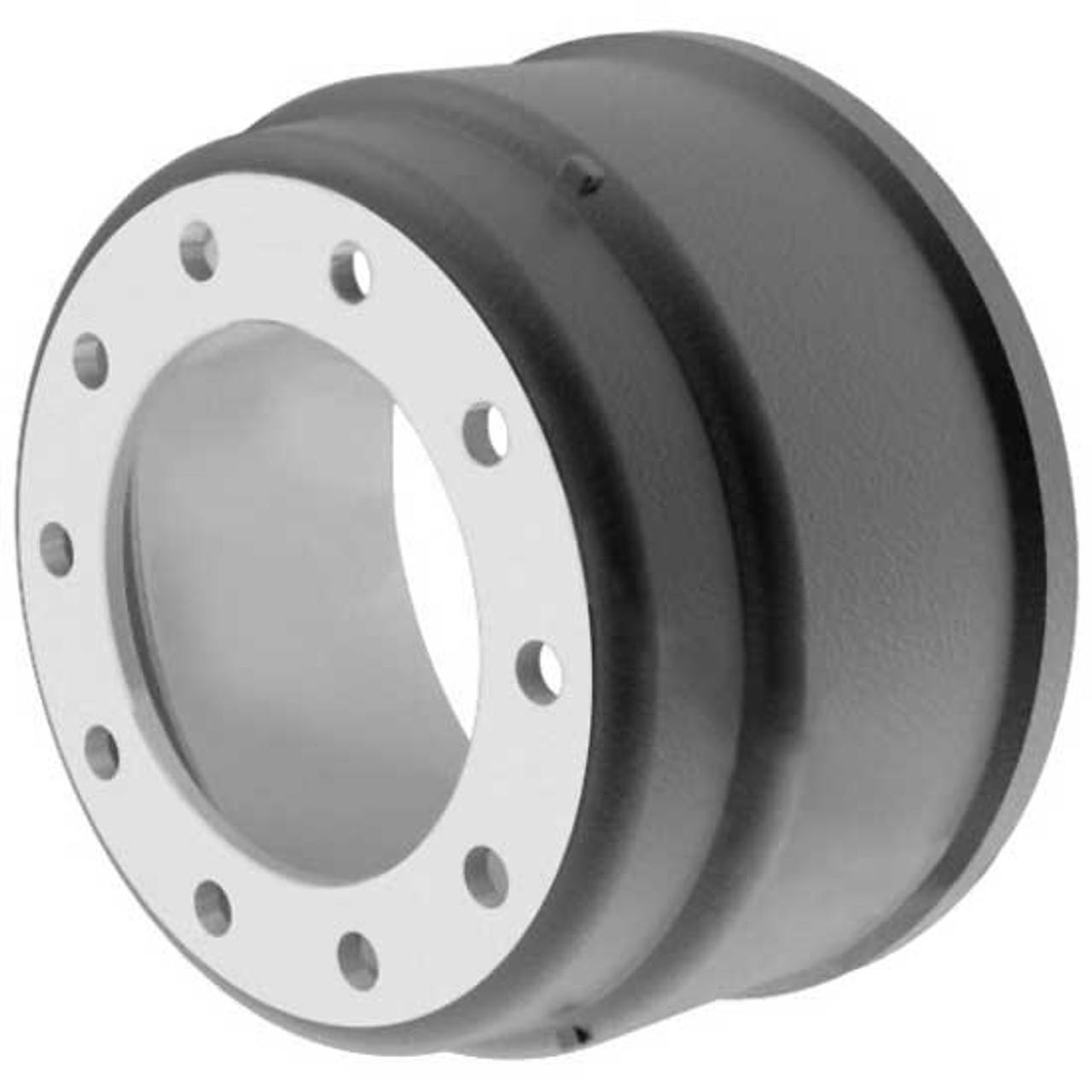
Integrating third-party lab results and fleet operator testimonials underlines that combining oil sealing with targeted spray coating in hybrid regimes can optimize corrosion resistance, especially for fleets facing diverse route conditions and weather.
We invite fleet managers and maintenance specialists to share their experiences and questions in the comments – let’s advance brake drum reliability together.
 120
|
120
|
 High - performance wear - resistant brake discs Rust - proof brake discs 99% model compatibility Commercial vehicle braking systems Brake disc certifications
316
|
brake drum rust protection commercial vehicle brake corrosion prevention freeze-thaw cycle brake drum maintenance anti-rust coating for brake drums salt spray resistant brake components
223
|
Brake disc compatibility High - precision positioning holes European E - mark certification OEM brake disc customization Brake system interface compatibility design
465
|
brake disc replacement brake rotor wear how to check brake discs brake disc thickness measurement brake disc maintenance
473
|
Brake disc adaptability High - precision positioning holes European E - mark certification OEM brake disc customization Brake system interface compatibility design
High - performance wear - resistant brake discs Rust - proof brake discs 99% model compatibility Commercial vehicle braking systems Brake disc certifications
316
|
brake drum rust protection commercial vehicle brake corrosion prevention freeze-thaw cycle brake drum maintenance anti-rust coating for brake drums salt spray resistant brake components
223
|
Brake disc compatibility High - precision positioning holes European E - mark certification OEM brake disc customization Brake system interface compatibility design
465
|
brake disc replacement brake rotor wear how to check brake discs brake disc thickness measurement brake disc maintenance
473
|
Brake disc adaptability High - precision positioning holes European E - mark certification OEM brake disc customization Brake system interface compatibility design