.png?x-oss-process=image/resize,h_100,m_lfit/format,webp)
.png?x-oss-process=image/resize,h_100,m_lfit/format,webp)
.png?x-oss-process=image/resize,h_100,m_lfit/format,webp)
In the global automotive supply chain, quality isn’t just a feature—it’s a requirement. For brake hubs, which directly impact vehicle safety and performance, adherence to IATF TS16949 standards is no longer optional. According to a 2023 report by Deloitte Automotive, over 78% of Tier-1 suppliers now require their sub-suppliers to hold valid IATF certification—up from 52% in 2018. This shift reflects not only regulatory pressure but also the growing demand from OEMs like BMW, Toyota, and Tesla for consistent, reliable components.
The standard goes beyond documentation—it embeds process control, risk management, and continuous improvement into every stage of manufacturing. In brake hub production, this means:
When evaluating potential partners, focus on three key areas:
| Audit Focus Area | Key Questions | Red Flag Signs |
|---|---|---|
| Process Documentation | Are work instructions traceable to IATF clauses? | No revision history or outdated SOPs |
| Quality Records | Can they show 3 months of internal audit reports? | Missing non-conformance logs |
| Continuous Improvement | Do they have a monthly Kaizen initiative? | No data-driven corrective actions |
These checks don’t just validate compliance—they reveal how seriously a supplier treats quality as a core value, not just a checkbox.
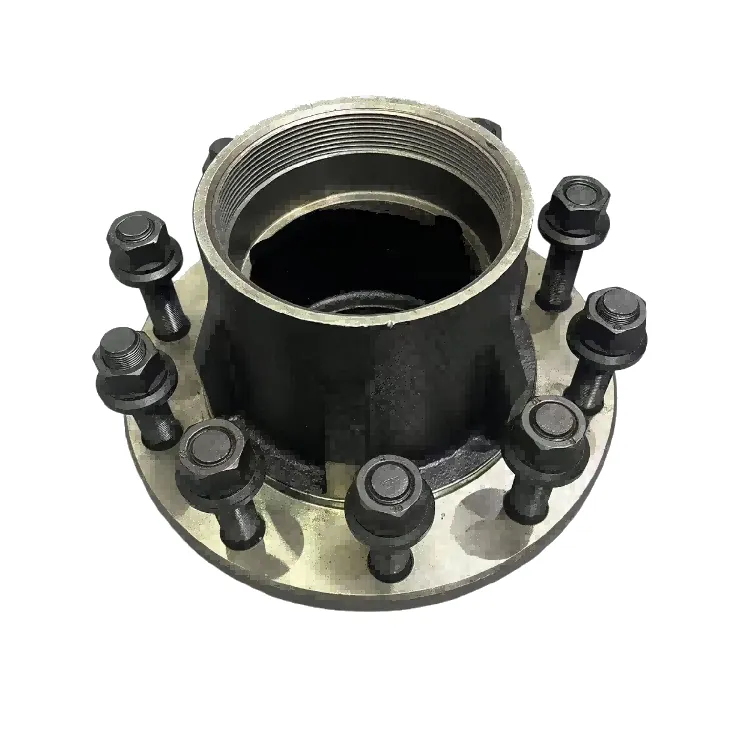
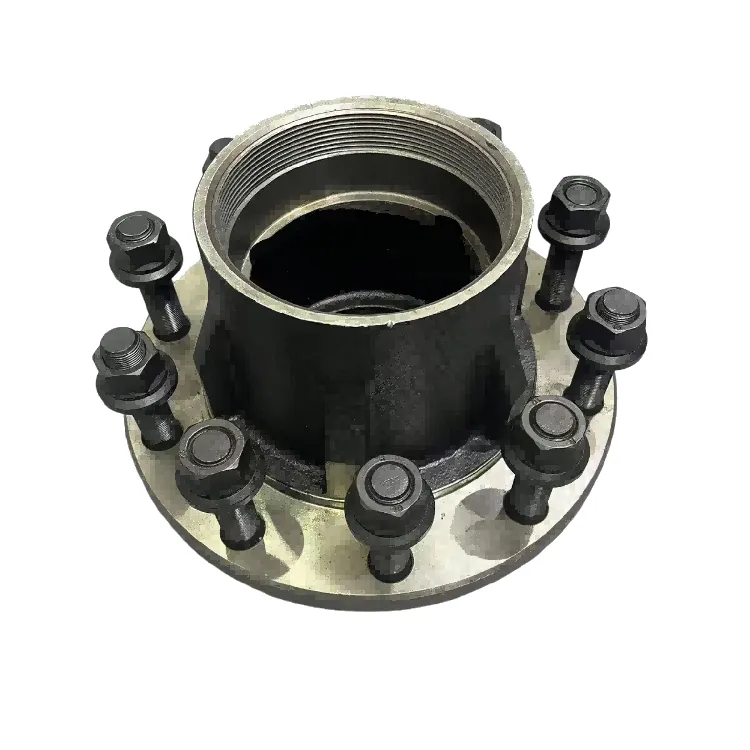
Explore LaiZhou Guanzhuo Trading's premium cast iron brake hubs, engineered under strict IATF TS16949 controls for unmatched reliability and consistency. We offer flexible trial orders and customization support tailored to your needs.
Request a Sample Order Today → 420
|
420
|
 High - performance wear - resistant brake discs IATF TS16949 certification Rust - proof brake discs Global vehicle model compatibility Brake disc quality assurance
218
|
commercial vehicle brake disc procurement cost reduction supplier screening bulk procurement cost structure optimization
250
|
automotive brake pad replacement brake pad performance degradation brake pad routine inspection braking system maintenance certified high-quality brake pads
397
|
brake drum rust protection brake drum anti-corrosion technology commercial vehicle brake system protection rust prevention coatings for automotive parts brake drum surface treatment process
256
|
brake kit certification standards E-MARK certified brake components VCA COP audit process automotive brake system safety environmentally compliant brake pads
High - performance wear - resistant brake discs IATF TS16949 certification Rust - proof brake discs Global vehicle model compatibility Brake disc quality assurance
218
|
commercial vehicle brake disc procurement cost reduction supplier screening bulk procurement cost structure optimization
250
|
automotive brake pad replacement brake pad performance degradation brake pad routine inspection braking system maintenance certified high-quality brake pads
397
|
brake drum rust protection brake drum anti-corrosion technology commercial vehicle brake system protection rust prevention coatings for automotive parts brake drum surface treatment process
256
|
brake kit certification standards E-MARK certified brake components VCA COP audit process automotive brake system safety environmentally compliant brake pads