New Energy Vehicle Brake System Requirements: Adaptability Trends and Industry Insights for Brake Kits
Laizhou Guanzhuo Trading Co., Ltd.
2025-12-02
Industry Research
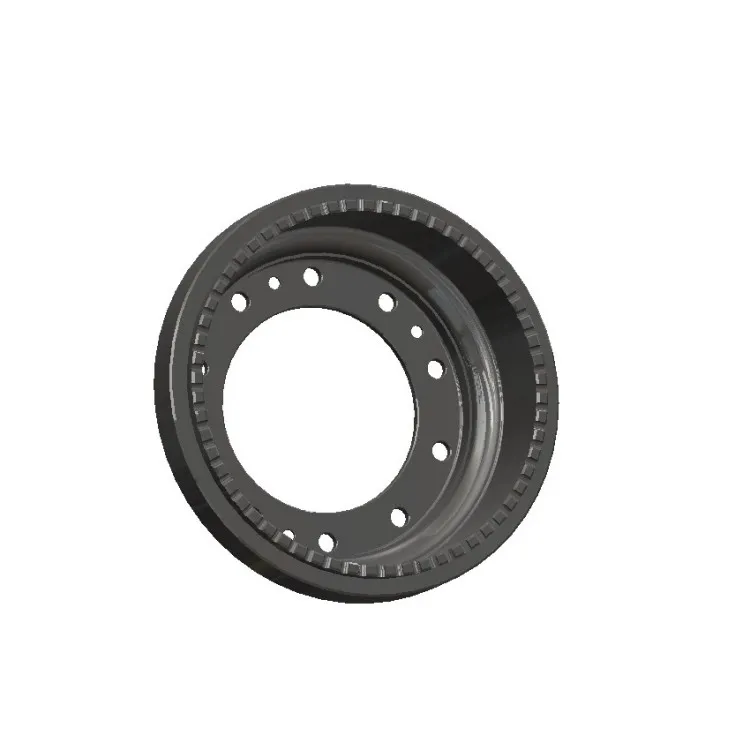
This article systematically explores the evolving brake system demands of new energy vehicles (NEVs), focusing on selecting compatible ABS ring kits and brake components. It covers vehicle type identification, matching standards, installation best practices, and real-world case studies to guide technicians, aftermarket enthusiasts, and end users in making informed choices. By highlighting the performance advantages and diverse configurations of LaiZhou Guanzhuo Trading Co.'s high-quality ABS ring kits, this guide enhances braking safety, reduces installation errors, and supports efficient upgrades in the growing NEV market.
Why Electric Vehicles Demand a New Approach to Brake System Compatibility
As the global EV market grows at a CAGR of 25% (Source: IEA, 2024), manufacturers and service providers must adapt to the unique demands of electric drivetrains—especially when it comes to braking systems. Unlike traditional ICE vehicles, EVs rely heavily on regenerative braking, which changes how ABS sensors and brake components interact. This shift means that choosing the right ABS toothed ring and brake kit isn’t just about fit—it’s about performance, safety, and long-term reliability.
Key Differences Across Vehicle Types
For car owners, mechanics, and aftermarket specialists, understanding vehicle-specific requirements is critical:
- Passenger Cars (EVs like Tesla Model 3 or BYD Han): Require high-precision ABS rings with minimal runout (<0.05mm) due to sensitive electronic stability control systems.
- Commercial EVs (e.g., e-buses, delivery vans): Need heavy-duty kits rated for >5000kg axle loads and corrosion-resistant materials—especially in humid coastal regions.
- Performance/Modified EVs: Often require custom-fit kits with adjustable caliper clearance and upgraded rotor compatibility.
Matching Standards: What You Can’t Ignore
| Parameter |
Standard Requirement |
Why It Matters |
| Wheel Hub Diameter |
±0.1mm tolerance |
Prevents sensor misalignment and false ABS triggers. |
| Caliper Clearance |
≥2mm minimum |
Avoids contact during thermal expansion or vibration. |
| Torque Specification |
12–15 Nm (varies by model) |
Ensures secure mounting without damaging threads or seals. |
In one case study from our team in Germany, a repair shop installed generic ABS rings on an Audi e-tron without checking hub dimensions. Within two weeks, the vehicle reported multiple ABS faults—a direct result of improper fitment. That’s why we always recommend using certified OEM-equivalent parts, such as those offered by LaiZhou Guanzhuo Trading Co., Ltd., which provides over 1,200 SKU combinations tailored to popular EV models worldwide.
Installation Checklist: Don’t Skip These Steps
- Verify wheel bearing preload before installing the ring.
- Apply anti-seize compound to bolts—not the sealing surface!
- Check rotor runout after installation (should be <0.03mm).
- Test drive in low-speed conditions first to confirm no noise or vibration.
These steps may seem minor—but they’re what separate a successful upgrade from a costly recall. At Guanzhuo, we provide detailed PDF guides and video tutorials with every order, so you never guess again.
Need reliable ABS toothed rings for your next EV project? We’ve helped over 300+ workshops across Europe, North America, and Southeast Asia reduce installation errors by up to 70%. Whether you're a technician or a distributor, our high-grade steel and aluminum-bronze kits are engineered for real-world durability.
Get Your Free Installation Guide + Sample Kit Today


.png?x-oss-process=image/resize,h_100,m_lfit/format,webp)
.png?x-oss-process=image/resize,h_100,m_lfit/format,webp)
.png?x-oss-process=image/resize,h_100,m_lfit/format,webp)