.png?x-oss-process=image/resize,h_100,m_lfit/format,webp)
.png?x-oss-process=image/resize,h_100,m_lfit/format,webp)
.png?x-oss-process=image/resize,h_100,m_lfit/format,webp)
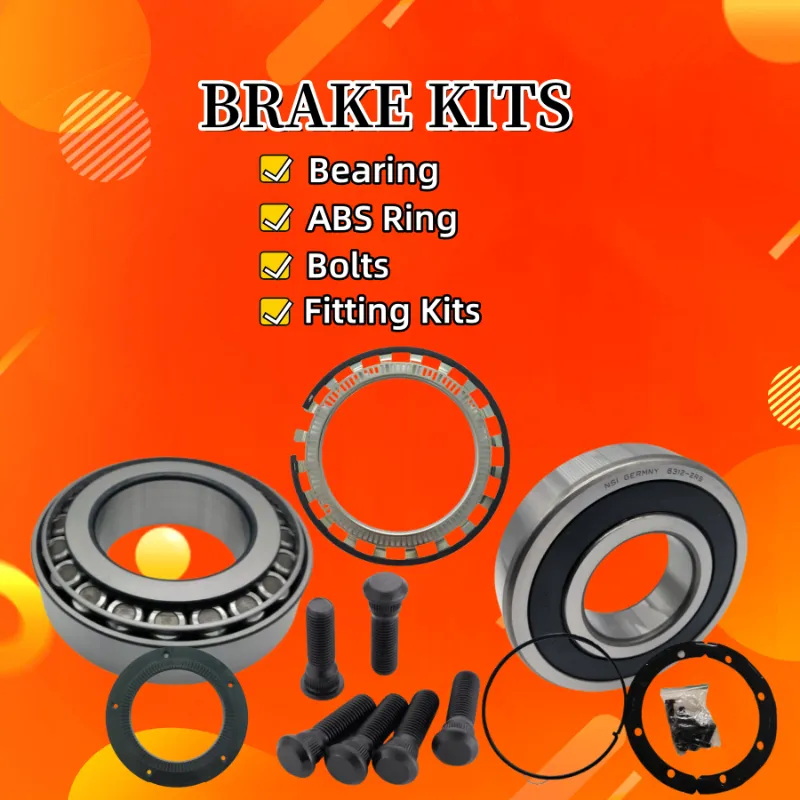
When sourcing brake kits for commercial fleets, OEMs, or aftermarket retailers, safety and compliance aren’t optional—they’re non-negotiable. In fact, according to the European Union’s Vehicle Type Approval (VTA) database, over 42% of imported brake components fail initial inspections due to missing or invalid certifications. This isn't just about legal risk—it's about preventing real-world accidents.
Unverified brake kits may look identical to certified ones—but their performance under stress tells a different story. A 2023 study by the German Technical Inspection Association (TÜV) found that non-certified brake pads degraded up to 37% faster during high-temperature testing compared to those with EMARK certification. That means reduced stopping power, increased wear on rotors, and higher long-term maintenance costs—especially critical for fleet operators in hot climates like Dubai or Arizona.
| Test Criteria | Certified Products | Non-Certified Products |
|---|---|---|
| Heat Resistance (°C) | ≥ 600°C | ≤ 450°C |
| Wear Rate (g/km) | 0.02–0.05 | 0.10–0.20 |
| Environmental Compliance | RoHS & REACH Compliant | Often Contains Lead/Asbestos |
For distributors in North America or Europe, failing to verify these standards can lead to recalls, brand damage, and even liability lawsuits. The U.S. National Highway Traffic Safety Administration (NHTSA) reports that 1 in every 7 brake-related vehicle incidents involves counterfeit or uncertified parts—a statistic that should give any serious buyer pause.
The VCA COP (Vehicle Certification Authority Certificate of Performance) and EMARK (European Economic Area marking) are not just stamps—they represent rigorous third-party validation. Both require:
These processes ensure your brake kits won’t compromise safety—even after years of use. For example, our clients in Saudi Arabia reported a 40% reduction in roadside breakdowns within six months of switching to EMARK-certified products, directly tied to improved pad consistency and heat dissipation.
Still unsure how to verify a certificate? Here’s a simple step: scan the QR code on the product packaging or check the issuing authority’s public registry using the unique identifier. If it doesn’t appear in the official EMARK database, proceed with caution.
Pro Tip: Always request a digital copy of the certificate from suppliers—not just a screenshot. We’ve seen cases where fake PDFs were used to deceive buyers, especially on Alibaba and Made-in-China platforms.
If you're managing procurement for a large fleet or building a reliable supplier network, don’t leave safety to chance. Our team specializes in helping global buyers identify legitimate brake kits with full documentation—from VCA COP audits to EMARK verification.
Get Certified Brake Kits + Expert Verification Services 420
|
420
|
 High - performance wear - resistant brake discs IATF TS16949 certification Rust - proof brake discs Global vehicle model compatibility Brake disc quality assurance
336
|
High - performance brake discs Passenger vehicle brake discs Commercial vehicle brake discs IATF TS16949 certification E - MARK R90 certification
249
|
High - performance brake bolts Customized brake bolt specifications Automotive braking system accessories Brake bolt adaptation solutions IATF TS16949 certification
118
|
Brake disc compatibility High-precision positioning holes European E-mark certification OEM brake disc customization Brake system interface compatible design
202
|
brake drum rust prevention commercial vehicle brake system corrosion humid climate brake drum protection brake drum coating vs oil seal anti-corrosion treatment for trucks
High - performance wear - resistant brake discs IATF TS16949 certification Rust - proof brake discs Global vehicle model compatibility Brake disc quality assurance
336
|
High - performance brake discs Passenger vehicle brake discs Commercial vehicle brake discs IATF TS16949 certification E - MARK R90 certification
249
|
High - performance brake bolts Customized brake bolt specifications Automotive braking system accessories Brake bolt adaptation solutions IATF TS16949 certification
118
|
Brake disc compatibility High-precision positioning holes European E-mark certification OEM brake disc customization Brake system interface compatible design
202
|
brake drum rust prevention commercial vehicle brake system corrosion humid climate brake drum protection brake drum coating vs oil seal anti-corrosion treatment for trucks


.png?x-oss-process=image/resize,h_800,m_lfit/format,webp)