


.png?x-oss-process=image/resize,h_100,m_lfit/format,webp)
.png?x-oss-process=image/resize,h_100,m_lfit/format,webp)
.png?x-oss-process=image/resize,h_100,m_lfit/format,webp)
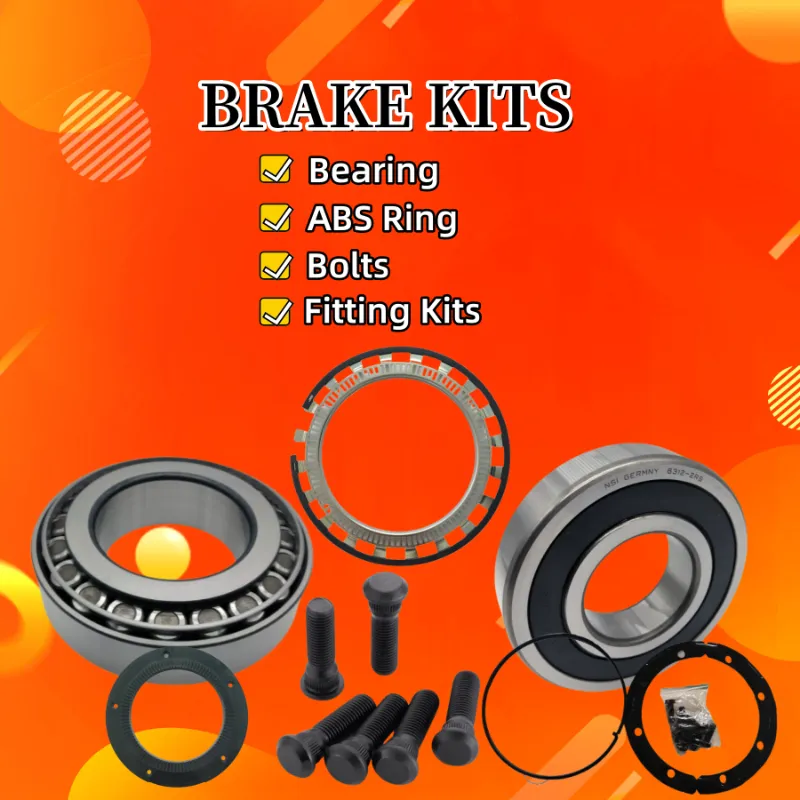
Have you ever encountered safety issues due to incorrect brake kit selection? You're not alone. Many repair technicians and vehicle owners have faced similar problems. In this article, we'll guide you through the key steps of brake kit installation and provide a quality inspection checklist to ensure worry - free after - sales for your exported products.
Let's start with some common cases of incorrect brake kit selection. For example, using a brake kit designed for a passenger car on a commercial vehicle can lead to premature wear and potential safety hazards. These real - life scenarios highlight the importance of making the right choice.
Different types of brake kits are designed to meet the specific needs of various vehicles. Passenger cars usually require lightweight brake kits to improve fuel efficiency. On the other hand, commercial vehicles need more durable brake kits to handle heavy loads. Here's a breakdown:
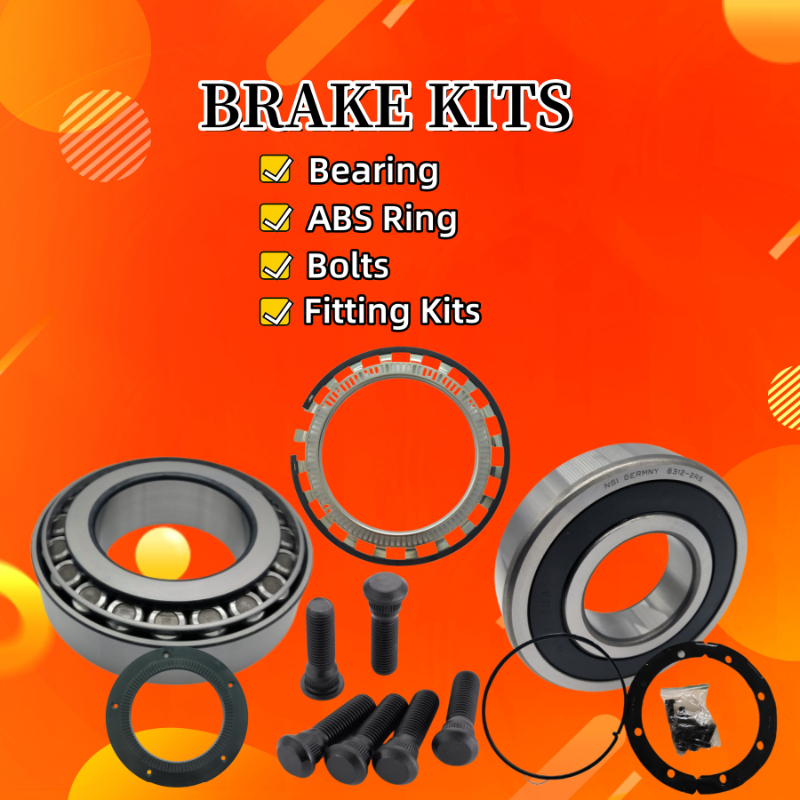
To ensure the right match, you need to refer to the original factory parameters. Check the wheel hub structure and analyze the caliper layout. For instance, comparing the brake kit's specifications with the vehicle's original parts can help you make an accurate decision. This step - by - step approach will help you avoid costly mistakes.
The installation process of brake kits is crucial for their proper functioning. Here are the detailed steps:
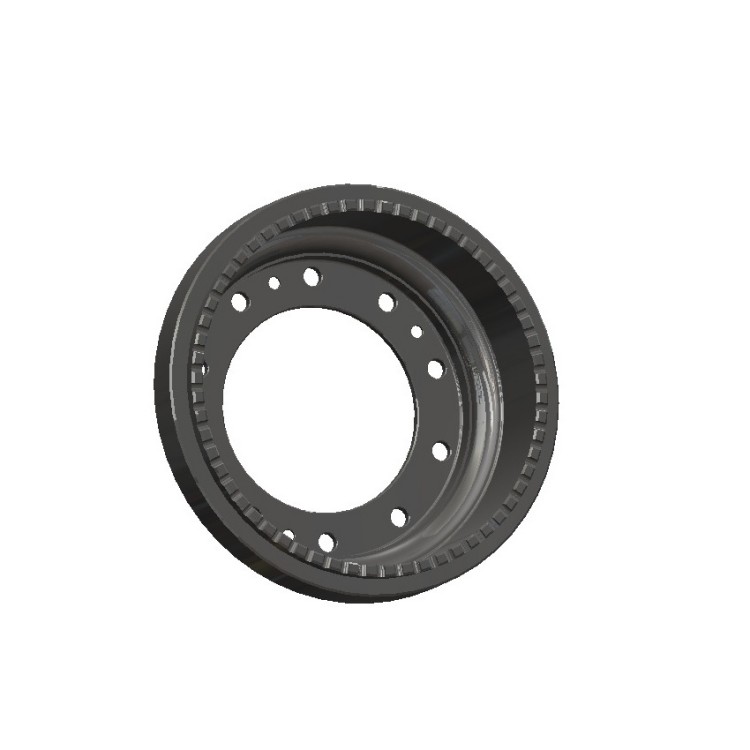
There are several common mistakes that people often make during brake kit installation. Ignoring the anti - rust coating can lead to early corrosion, while insufficient torque can cause parts to loosen. By being aware of these mistakes, you can take preventive measures.
Here is a visual checklist for you to follow before, during, and after the installation:
| Stage | Inspection Items |
|---|---|
| Before Installation | Check for damage, verify compatibility, clean components |
| During Installation | Ensure proper positioning, set correct torque, calibrate gaps |
| After Installation | Check for leaks, test braking performance, re - check torque |
By following the above steps and checklist, you can significantly reduce after - sales problems and improve the safety performance of the braking system. We encourage you to share your installation experiences in the comments section below. Your feedback will not only help others but also contribute to a safer driving environment.
Our brake kits come with a worry - free trial order and guaranteed after - sales service. With a delivery cycle of 15 - 30 days, we offer a global rapid response. Click here to explore our high - quality brake kits.
 281
|
281
|
 IATF TS16949 certified brake drums R90 E-mark brake drum compliance brake drum performance testing automotive brake drum quality standards brake drum manufacturing process
35
|
EMARK certified brake linings automotive brake lining standards VCA COP audit brake system quality management international brake component certification
161
|
high-value brake discs passenger vehicle brake disc selection multi-layer corrosion protection brake disc warranty supply chain efficiency in automotive parts
321
|
Commercial vehicle brake pads certification standards Heavy - duty truck braking solutions E - MARK R90 certification details IATF TS16949 compliance guide Advantages of copper - free ceramic brake pads
256
|
brake kit certification standards E-MARK certified brake components VCA COP audit process automotive brake system safety environmentally compliant brake pads
IATF TS16949 certified brake drums R90 E-mark brake drum compliance brake drum performance testing automotive brake drum quality standards brake drum manufacturing process
35
|
EMARK certified brake linings automotive brake lining standards VCA COP audit brake system quality management international brake component certification
161
|
high-value brake discs passenger vehicle brake disc selection multi-layer corrosion protection brake disc warranty supply chain efficiency in automotive parts
321
|
Commercial vehicle brake pads certification standards Heavy - duty truck braking solutions E - MARK R90 certification details IATF TS16949 compliance guide Advantages of copper - free ceramic brake pads
256
|
brake kit certification standards E-MARK certified brake components VCA COP audit process automotive brake system safety environmentally compliant brake pads


