.png?x-oss-process=image/resize,h_100,m_lfit/format,webp)
.png?x-oss-process=image/resize,h_100,m_lfit/format,webp)
.png?x-oss-process=image/resize,h_100,m_lfit/format,webp)
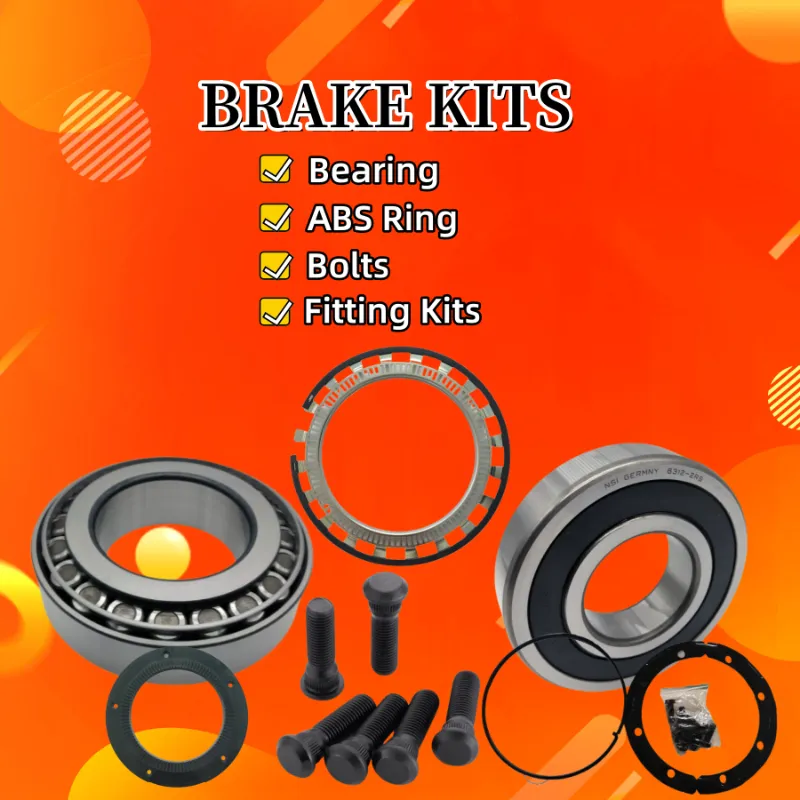
You're not alone if you've ever felt confused about which brake kit fits your car best. In fact, a recent survey by AutoTech Insights found that over 42% of aftermarket brake installations fail due to incorrect fitment—not poor quality, but wrong selection. That’s why getting it right from the start matters more than ever.
Before buying any brake kit, always check your vehicle’s original equipment manufacturer (OEM) specs. For example, many modern sedans like the Toyota Camry or Honda Accord use specific caliper mounting points and rotor thicknesses. If you install a generic kit without matching these dimensions, you risk:
| Type | Best For | Key Benefit |
|---|---|---|
| Single-plate | Daily drivers, low-performance vehicles | Cost-effective, easy installation |
| Dual-plate | Performance cars, track use | Better heat dissipation, longer life |
| Coated (e.g., ceramic or zinc) | High-humidity areas, salt-prone regions | Corrosion resistance up to 3x longer lifespan |
Even with the perfect kit, improper installation can lead to serious issues. Here’s what to verify before tightening bolts:
A real-world case: A repair shop in Germany reported a customer’s accident caused by installing a dual-plate kit on a compact SUV—wrong hub size, misaligned caliper. The result? Braking failure at 60 km/h. This could have been avoided with proper pre-installation checks.
Remember: Choosing the right brake kit isn’t just about performance—it’s about safety. One mistake might cost you more than money.
Whether you’re a professional mechanic or a DIY enthusiast, selecting the correct brake kit ensures reliability, compliance, and peace of mind. Don’t leave it to chance—start with the right information.
Get Your Customized Brake Kit Recommendation Now