.png?x-oss-process=image/resize,h_100,m_lfit/format,webp)
.png?x-oss-process=image/resize,h_100,m_lfit/format,webp)
.png?x-oss-process=image/resize,h_100,m_lfit/format,webp)

Selecting the right brake kit is crucial for ensuring the safety and performance of your vehicle. However, many repair technicians and vehicle owners often fall into common pitfalls during the selection process, leading to brake failure, after - sales disputes, and even safety hazards. In this article, we'll guide you through the key steps to avoid these mistakes and reduce after - sales issues.
Vehicles can be broadly categorized into passenger cars, commercial vehicles, and modified cars, each with unique requirements for brake kits.
Passenger cars usually require brake kits that offer smooth and quiet braking performance, along with high durability. Commercial vehicles, on the other hand, need brake kits that can withstand heavy loads and frequent use. Modified cars often demand high - performance brake kits to match their enhanced power and speed.
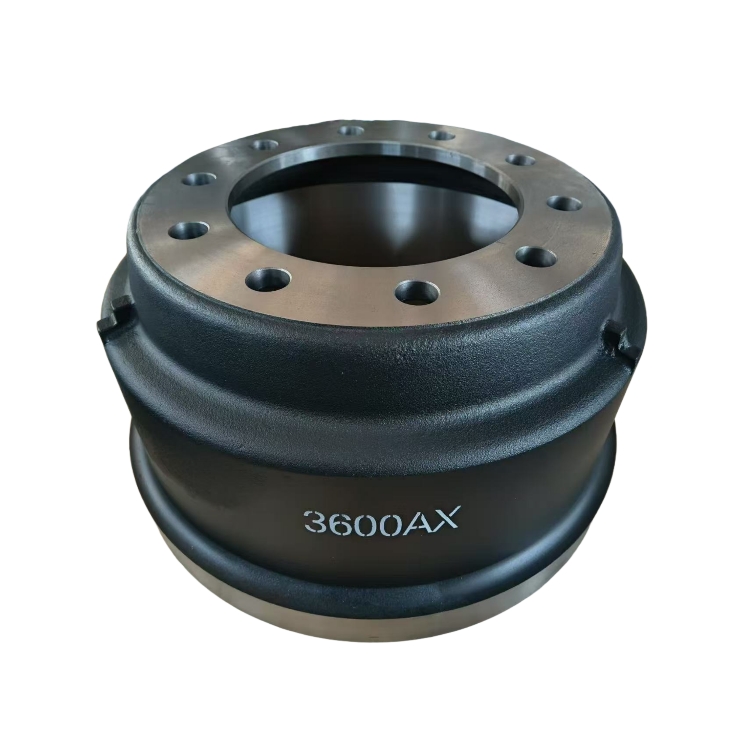
The first step in selecting a brake kit is to identify the original factory parameters of your vehicle. These parameters include the size, type, and performance requirements of the brake system. Referring to the vehicle's manual or consulting the manufacturer can help you obtain accurate information.
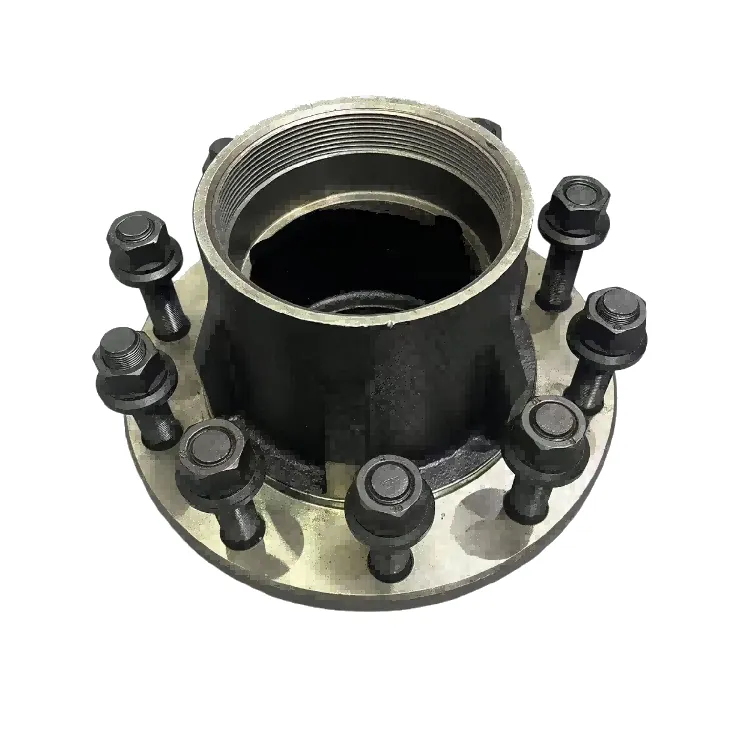
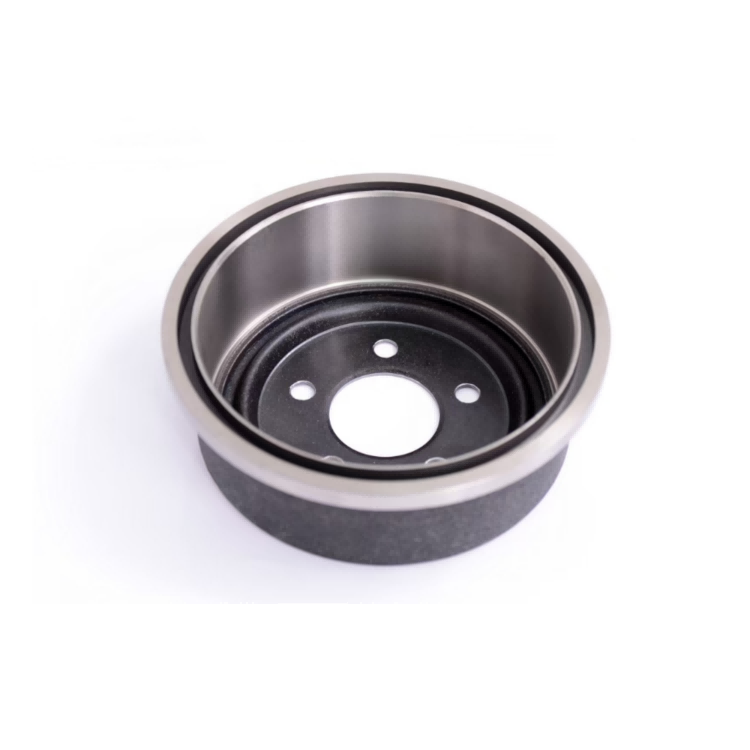
The wheel hub structure plays a vital role in brake kit selection. You need to ensure that the brake kit is compatible with the inner diameter, width, and material of the wheel hub. Ignoring these factors can lead to improper installation and reduced braking performance.
Matching the caliper layout is also essential. Different vehicles have different caliper positions and numbers. A mismatched caliper layout can cause uneven braking force distribution and potential safety risks.
One common mis - purchase scenario is ignoring the inner diameter of the wheel hub. If the brake kit is too large for the wheel hub, it may not fit properly, leading to brake noise and reduced braking efficiency. Another scenario is overlooking the material compatibility. Using a brake kit with incompatible materials can cause corrosion and premature wear.
Real - life Case: A repair shop installed a brake kit on a passenger car without checking the wheel hub inner diameter. As a result, the brake pads rubbed against the wheel hub, causing excessive noise and rapid wear. The customer had to return the car for a replacement, leading to a significant after - sales dispute.
To enhance the operability, we provide a practical installation flow chart and an inspection checklist table.
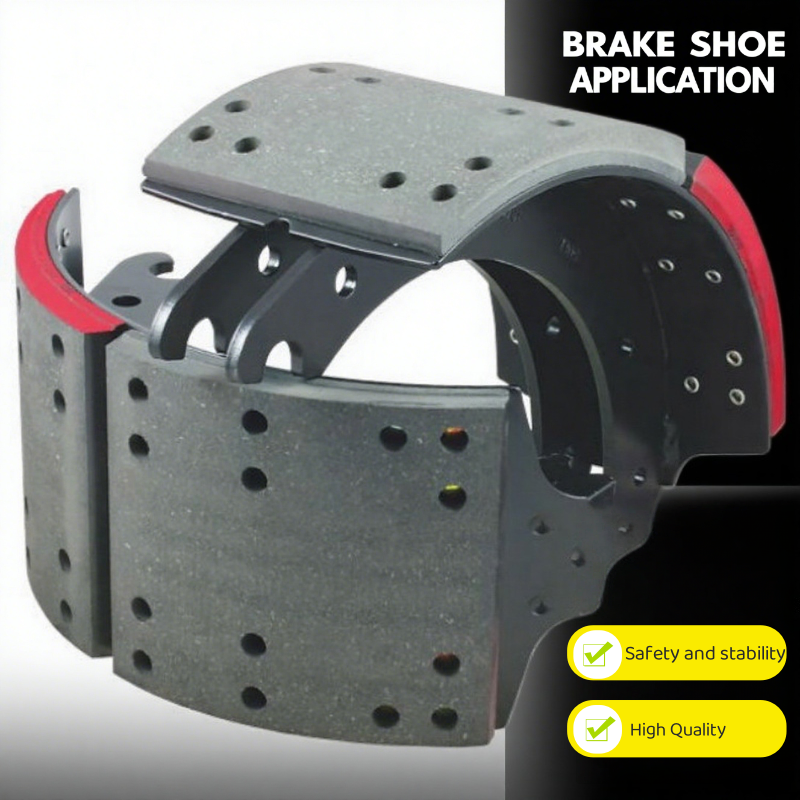
| Installation Step | Inspection Item |
|---|---|
| Before Installation | Check for rust, ensure correct part numbers, and verify material compatibility |
| During Installation | Adjust gaps, follow torque specifications, and perform anti - rust treatment |
| After Installation | Check for proper operation, ensure no abnormal noise, and re - check torque |
When selecting a brake kit, it's important to consider the use of environmental - friendly materials and relevant certifications. For example, IATF TS16949 certification ensures that the brake kit meets high - quality and safety standards.
By following the guidelines in this article, you can avoid common mistakes in brake kit selection, reduce the incidence of after - sales problems, and improve the safety and service life of your vehicle's braking system. We accept small - quantity trial orders, ensuring you choose the right product at once, saving you time and ensuring safety! Click here to start your trial order now!