.png?x-oss-process=image/resize,h_100,m_lfit/format,webp)
.png?x-oss-process=image/resize,h_100,m_lfit/format,webp)
.png?x-oss-process=image/resize,h_100,m_lfit/format,webp)

When it comes to commercial vehicle safety, few components are as critical—or as misunderstood—as the brake rotor. A recent survey by the National Transportation Safety Board (NTSB) found that over 42% of heavy-duty truck brake failures were linked to improper installation, not part wear or material defects.
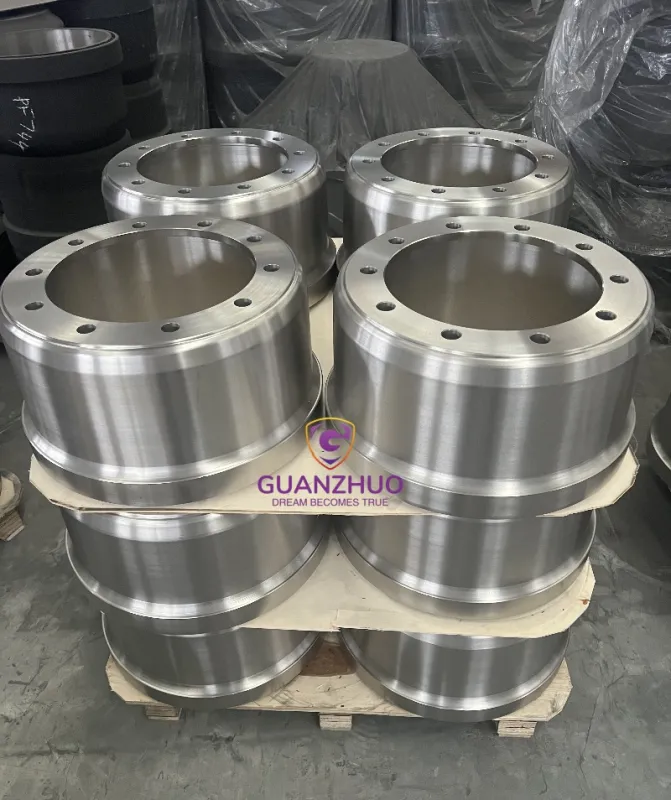
One of the most overlooked yet dangerous errors? Failing to ensure precise mounting hole alignment and consistent thickness after machining. In fact, a study from a leading European fleet maintenance center showed that rotors installed with misaligned holes had up to a 7x higher chance of causing steering vibration during braking—especially at highway speeds.
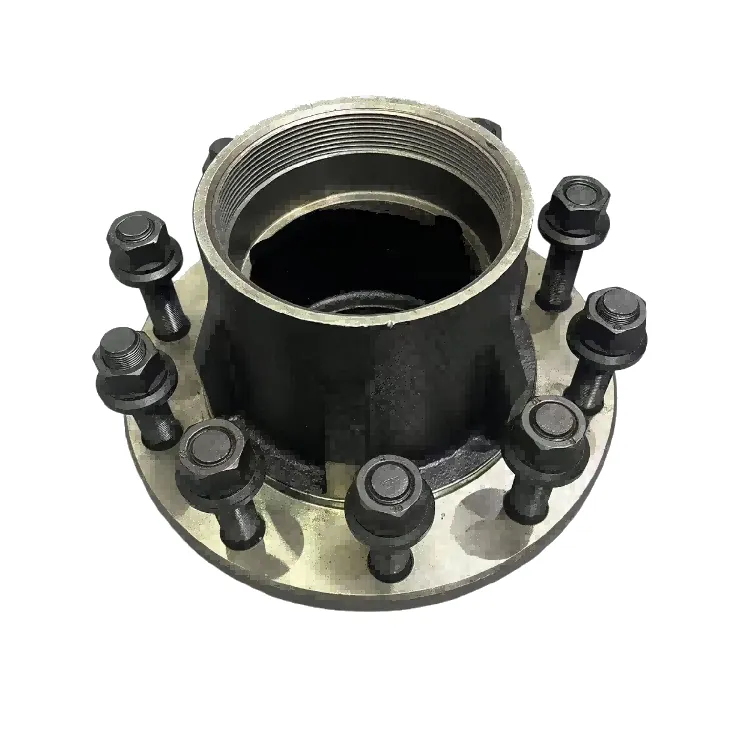
Why does this happen? If the locating holes on the rotor don’t match exactly with the hub’s bolt pattern (within ±0.05mm tolerance), the rotor can sit unevenly. This leads to:
High-quality rotors aren’t just cast—they’re precision-machined. Modern manufacturing uses dual-axis CNC lathes to achieve flatness within 0.02mm across the entire face. This ensures even pressure distribution between pads and rotor, reducing thermal distortion under repeated braking cycles.
Here’s what you’ll see when comparing factory-grade vs. low-end rotors:
| Feature | Premium Rotors | Standard Rotors |
|---|---|---|
| Flatness Tolerance | ≤ 0.02 mm | ≥ 0.10 mm |
| Thickness Consistency | ±0.03 mm | ±0.15 mm |
| Surface Finish (Ra) | ≤ 3.2 µm | ≥ 6.3 µm |
These specs may seem technical—but they directly impact driver confidence, fleet uptime, and compliance with EU and U.S. DOT regulations.
For mechanics and fleet managers: follow these steps to avoid costly mistakes:
Real-world example: A major logistics company in Germany reduced brake-related downtime by 33% after implementing standardized rotor installation training for all technicians.
💬 Got questions? Share your experience in the comments below—we read every message. Whether you're a mechanic, fleet manager, or supplier, your insights help others stay safe on the road.
Our premium brake rotors meet global standards for durability, precision, and safety. Trusted by fleets across Europe, North America, and the Middle East.
Explore Our Premium Brake Rotor Range → 71
|
71
|
 brake kit selection guide single piece brake caliper dual piece brake caliper brake system compatibility brake installation best practices
63
|
automotive brake shoe pad certification VCA COP audit EMARK certification requirements brake system quality management global brake shoe market competitiveness
261
|
cast iron brake discs ceramic brake discs brake disc materials brake disc selection vehicle brake system
47
|
brake disc compatibility high-precision locating hole design R90 E-mark certification OEM brake disc customization brake system interface standardization
81
|
Brake kit selection guide ABS ring gear kit material comparison Foreign trade brake parts selection Brake system adaptability judgment High - performance brake kit application
brake kit selection guide single piece brake caliper dual piece brake caliper brake system compatibility brake installation best practices
63
|
automotive brake shoe pad certification VCA COP audit EMARK certification requirements brake system quality management global brake shoe market competitiveness
261
|
cast iron brake discs ceramic brake discs brake disc materials brake disc selection vehicle brake system
47
|
brake disc compatibility high-precision locating hole design R90 E-mark certification OEM brake disc customization brake system interface standardization
81
|
Brake kit selection guide ABS ring gear kit material comparison Foreign trade brake parts selection Brake system adaptability judgment High - performance brake kit application