.png?x-oss-process=image/resize,h_100,m_lfit/format,webp)
.png?x-oss-process=image/resize,h_100,m_lfit/format,webp)
.png?x-oss-process=image/resize,h_100,m_lfit/format,webp)

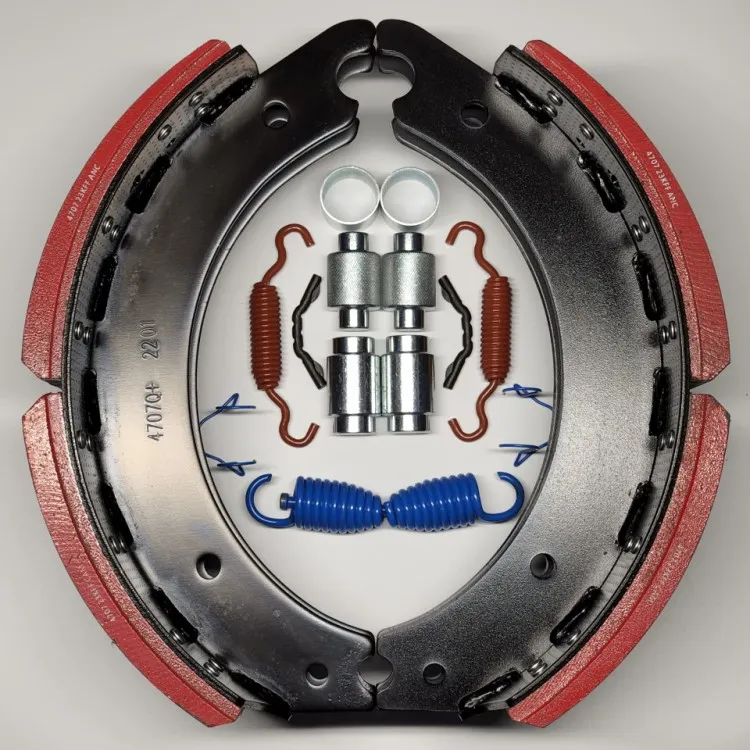
If you’ve ever experienced a sudden brake failure on a heavy-duty truck or saw a customer return due to noisy pads and uneven wear, you know how critical proper brake kit selection is—not just for safety, but for your business reputation.
In 2023, over 37% of commercial vehicle brake-related service complaints in North America were linked to incorrect part compatibility—often from misidentified wheel hub patterns or mismatched caliper positions.
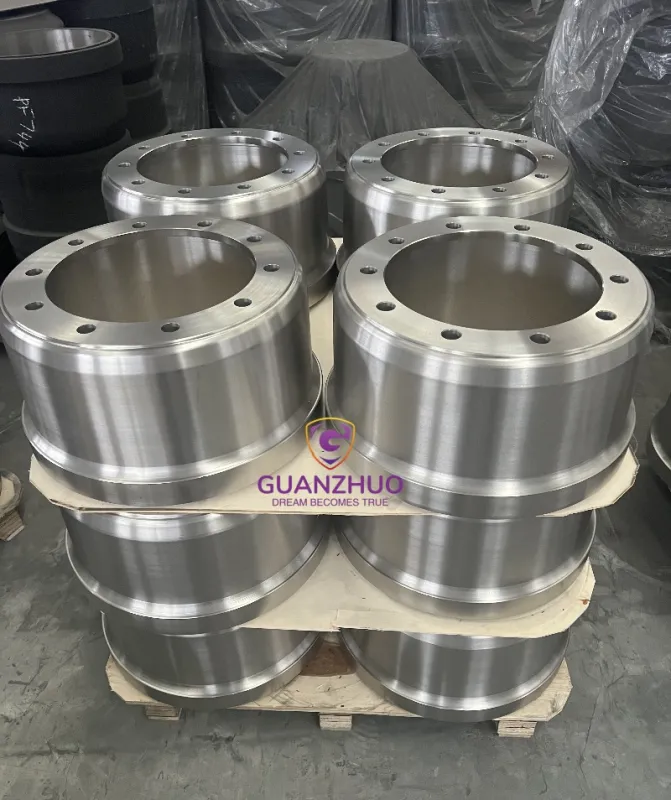
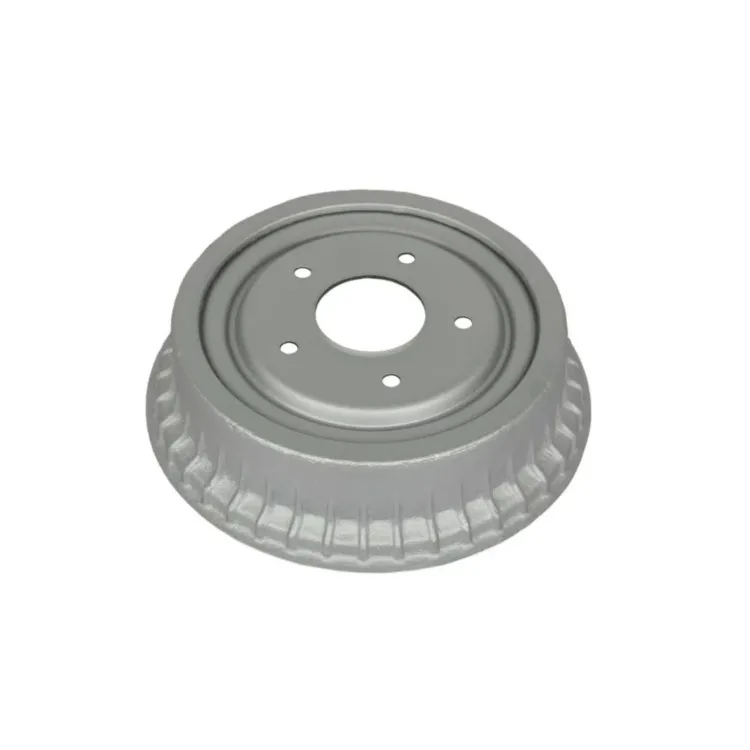
Not all brake kits are created equal. For fleet managers and repair shops:
You can’t rely on “looks like” when installing brake components. Here’s what really matters:
| Factor | Check Before Installation | Why It Matters |
|---|---|---|
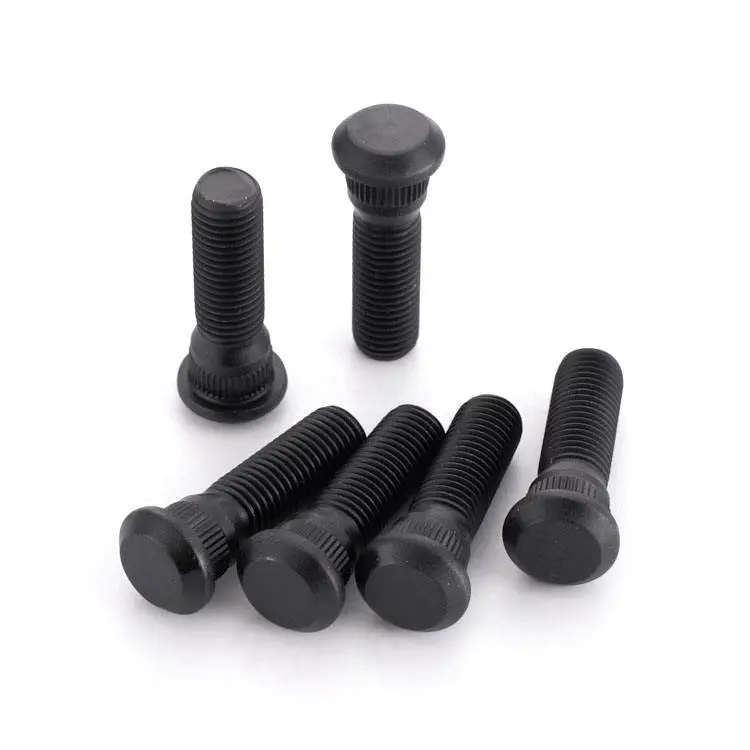
| Hub Bolt Pattern | Use a micrometer + VIN lookup tool | Mismatch = vibration + premature wear |
| Caliper Position | Measure clearance between rotor and caliper bracket | Wrong fit = rubbing, overheating |
| ABS Sensor Compatibility | Verify tooth count and gear pitch | Incorrect sensor = ABS warning lights + legal issues |
Even with perfect parts, poor installation leads to returns. Follow this checklist before calling it done:
Ignoring these steps? You’re not just risking customer satisfaction—you're exposing yourself to liability claims.
From our global support team, here are top 3 errors we see:
Let every brake job be a success story—not a cautionary tale.
Download our free Brake Kit Selection Matrix—used by 1,200+ workshops worldwide to avoid costly mistakes.
Get Your Free Brake Kit Guide Now → 40
|
40
|
 brake kit material comparison ABS ring brake kit automotive brake system compatibility powder metallurgy brake components brake kit installation guide
173
|
brake lining international certification VCA COP audit requirements E-MARK certification standards automotive braking system quality control high-performance brake pads
486
|
High - performance brake kits Automotive brake system certification Automotive braking system service life Environment - friendly automotive accessories Automotive parts market trends
471
|
Brake disc adaptability High - precision positioning holes European E - mark certification OEM brake disc customization Brake system interface compatibility design
315
|
High compatibility brake discs Commercial vehicle braking system upgrade Rust - proof brake discs Brake disc wear resistance Differences between passenger vehicle brake discs
brake kit material comparison ABS ring brake kit automotive brake system compatibility powder metallurgy brake components brake kit installation guide
173
|
brake lining international certification VCA COP audit requirements E-MARK certification standards automotive braking system quality control high-performance brake pads
486
|
High - performance brake kits Automotive brake system certification Automotive braking system service life Environment - friendly automotive accessories Automotive parts market trends
471
|
Brake disc adaptability High - precision positioning holes European E - mark certification OEM brake disc customization Brake system interface compatibility design
315
|
High compatibility brake discs Commercial vehicle braking system upgrade Rust - proof brake discs Brake disc wear resistance Differences between passenger vehicle brake discs