.png?x-oss-process=image/resize,h_100,m_lfit/format,webp)
.png?x-oss-process=image/resize,h_100,m_lfit/format,webp)
.png?x-oss-process=image/resize,h_100,m_lfit/format,webp)
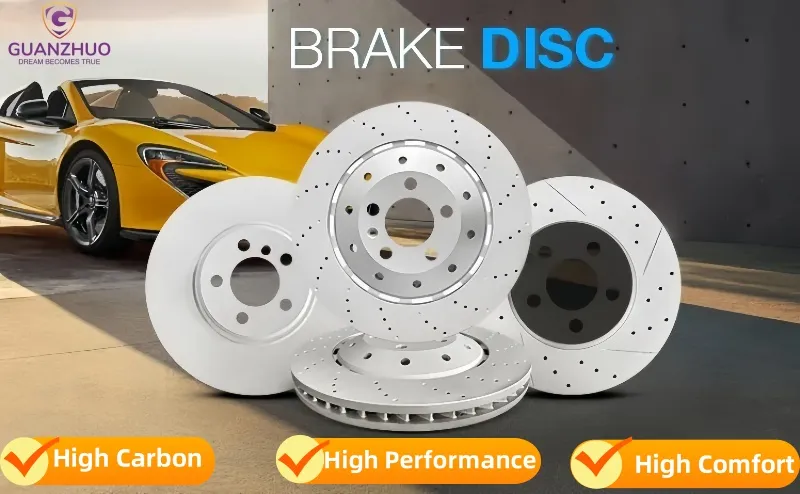
As a maintenance technician or fleet manager, you understand the critical role that brake discs play in the safety and performance of commercial vehicles. However, installation errors can lead to serious consequences, including brake failure. In this guide, we'll delve into the design of precision positioning holes and provide practical steps to help you avoid installation errors, ensuring the stable and efficient operation of the braking system.
Let's start by looking at a real - world accident case. A few years ago, a commercial truck experienced a sudden brake failure on the highway. After investigation, it was found that the brake disc was incorrectly installed, with a misaligned positioning hole. This small error led to uneven braking force, eventually resulting in a dangerous situation. Statistics show that about 30% of brake - related accidents in commercial vehicles are caused by installation errors.
"I've seen many cases where improper installation of brake discs led to premature wear and even brake failure. Precision in installation is crucial," says a front - line technician.
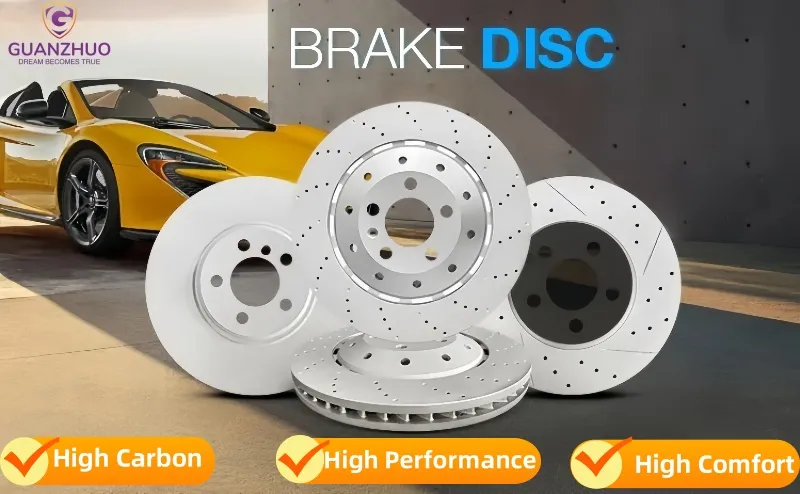
The positioning holes on the brake disc are designed to ensure accurate alignment during installation. The structure of these holes is carefully engineered to match the corresponding parts of the vehicle's braking system. Errors can come from various sources, such as manufacturing tolerances, improper handling during transportation, or incorrect cleaning before installation. For example, a misaligned positioning hole with an error of just 0.1mm can lead to uneven wear of the brake pads and reduced braking performance.
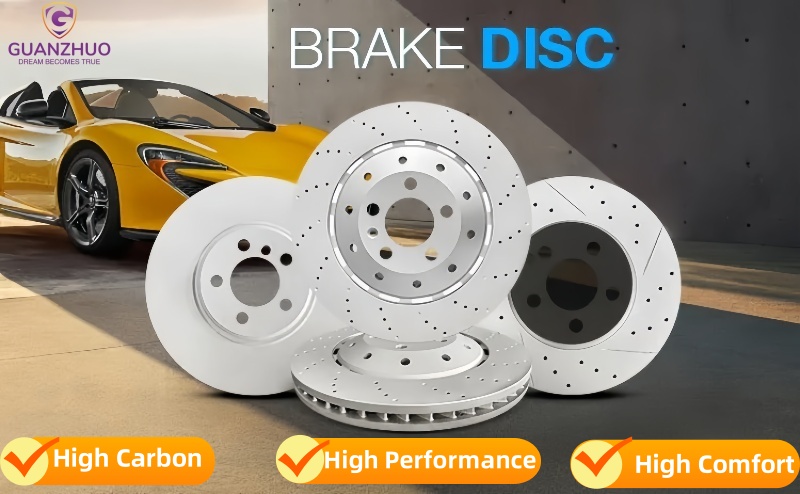
Mastering these 3 steps will let every installation be accurate without error:
Proper maintenance can significantly extend the life of the brake disc. Consider the following points:
There are some common mistakes in brake disc installation and maintenance. For example, over - grinding the brake disc surface can reduce its thickness and compromise its performance. Also, ignoring environmental factors such as high humidity or salt - water exposure can accelerate rusting. By avoiding these mistakes, you can ensure the long - term performance of the brake disc.
Laboratory data shows that the life of a brake disc can vary significantly depending on the working conditions. In high - temperature environments, the brake disc may wear out 30% faster than in normal conditions. Heavy - duty applications, such as long - distance hauling, can also reduce the lifespan of the brake disc. By understanding these factors, you can take appropriate measures to extend the life of the brake disc.

By following the guidelines in this article, you can enhance the safety of commercial vehicles, reduce the failure rate of the braking system, and save on maintenance costs. For example, a well - installed and maintained brake disc can reduce maintenance costs by up to 20% over its lifespan.
Do you have any questions or experiences about brake disc installation and maintenance? Leave a comment below and share your thoughts!
Learn More about High - Quality Commercial Vehicle Brake Discs from Laizhou Guanzuo Trading Co., Ltd. 171
|
171
|
 IATF TS16949 standard truck brake discs automotive parts certification brake disc quality control automotive safety standards
343
|
Middle East brake disc wholesale Brake disc procurement cost Heat-resistant brake discs OEM brake disc supplier Automotive parts wholesale supply chain
314
|
High - performance brake bolts Anti - fade principle Brake bolt material science High - temperature braking stability Automotive brake system accessories
74
|
heavy truck brake pads semi-metallic brake pads low-steel brake pads ceramic brake pads ECE R90 E-MARK certification
146
|
Common Misconceptions about Brake Disc Installation in the United States Positioning hole accuracy Turning process DOT certified brake discs American auto repair shop brake discs
IATF TS16949 standard truck brake discs automotive parts certification brake disc quality control automotive safety standards
343
|
Middle East brake disc wholesale Brake disc procurement cost Heat-resistant brake discs OEM brake disc supplier Automotive parts wholesale supply chain
314
|
High - performance brake bolts Anti - fade principle Brake bolt material science High - temperature braking stability Automotive brake system accessories
74
|
heavy truck brake pads semi-metallic brake pads low-steel brake pads ceramic brake pads ECE R90 E-MARK certification
146
|
Common Misconceptions about Brake Disc Installation in the United States Positioning hole accuracy Turning process DOT certified brake discs American auto repair shop brake discs