.png?x-oss-process=image/resize,h_100,m_lfit/format,webp)
.png?x-oss-process=image/resize,h_100,m_lfit/format,webp)
.png?x-oss-process=image/resize,h_100,m_lfit/format,webp)
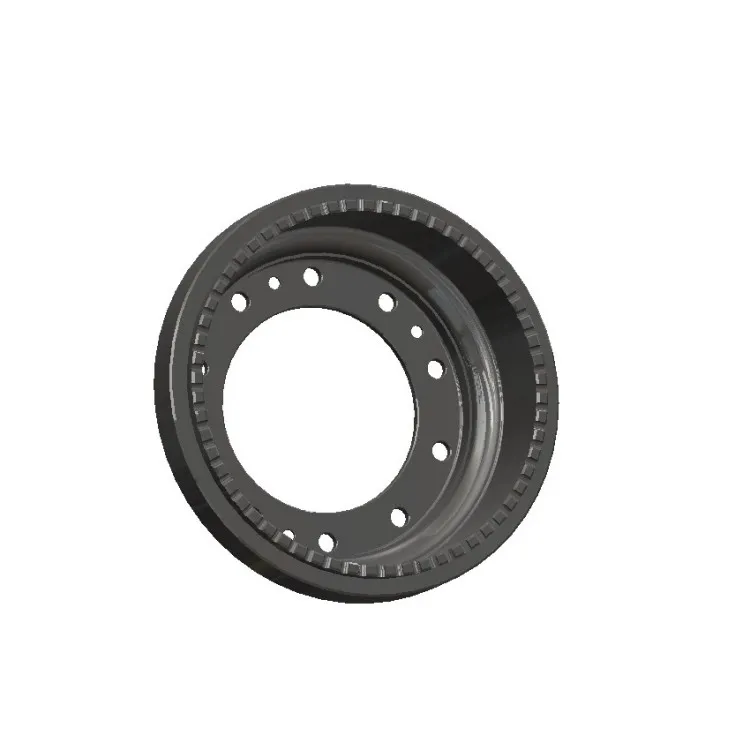
For fleet managers operating in challenging climates, brake drum corrosion isn't just a maintenance issue—it's a safety and financial concern that impacts your bottom line. In regions with high humidity, heavy rainfall, or coastal salt exposure, brake drums can begin showing signs of rust within weeks of operation without proper protection. Studies show that corrosion-related brake failures increase by over 40% in tropical and coastal environments, leading to maintenance costs that can escalate by $2,500 per vehicle annually.
Brake drums face unique corrosion challenges across various geographical regions:
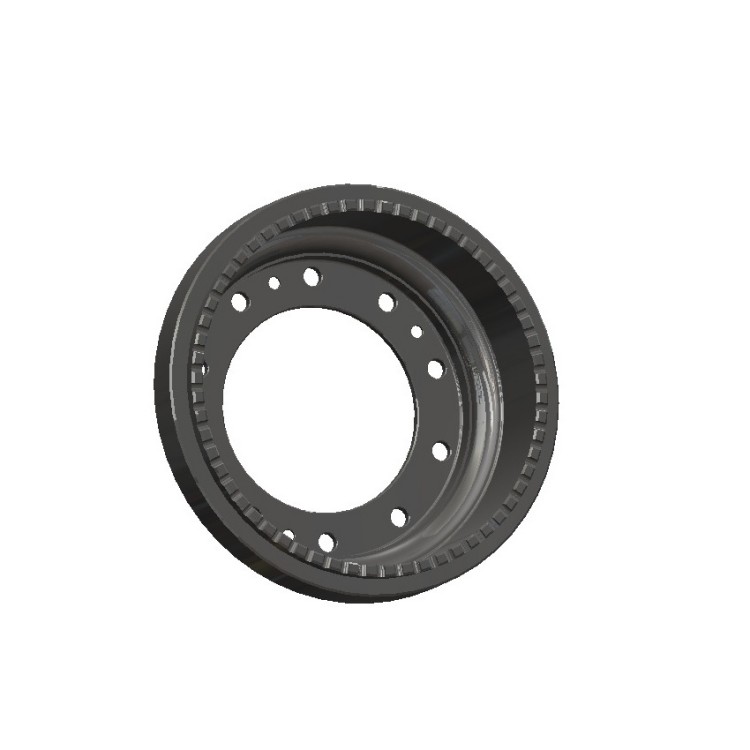
When it comes to protecting brake drums in humid environments, two technologies stand out as industry standards: specialized sealing systems and advanced coating applications. Each offers distinct advantages depending on your operational environment and maintenance capabilities.
Modern brake drum sealing systems create a physical barrier between the metal surface and environmental contaminants. These precision-engineered seals utilize heat-resistant materials capable of withstanding brake operating temperatures exceeding 300°C while maintaining flexibility and integrity.
Advanced ceramic and polymer coatings offer chemical resistance and thermal stability for brake drums operating in challenging conditions. These coatings work by creating a corrosion-resistant layer that bonds molecularly with the drum surface, providing both barrier protection and sacrificial corrosion resistance.
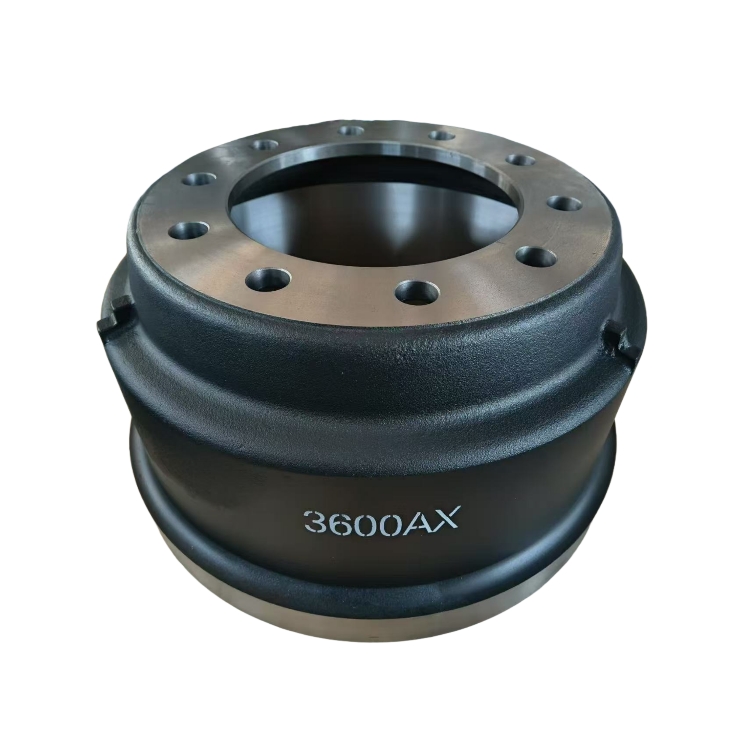
Independent laboratory testing according to ASTM B117 standards demonstrates significant performance differences between protection methods:
The most effective brake drum protection strategy depends heavily on your specific operating environment. What works in the tropical climate of Thailand may not be optimal for the harsh winters of Norway or the salt-laden air of the Persian Gulf.
In regions like Indonesia, Malaysia, and the Philippines, where annual rainfall exceeds 2,000mm in many areas, fleet operators have found success with a dual approach. A base coating provides chemical protection while a secondary sealing system prevents prolonged moisture exposure during the monsoon season.
Case Example: A logistics company operating 120 trucks in the Bangkok metropolitan area reduced brake drum replacement costs by 62% after implementing a combined protection system, with average drum lifespan increasing from 8 months to 22 months.
In countries like Sweden, Finland, and Denmark, where road salt is heavily used during winter months, thermal expansion and contraction create unique challenges. Here, flexible coating systems that can withstand temperature fluctuations from -30°C to +250°C have proven most effective.
For operations in Dubai, Qatar, and other Gulf states, heat resistance is paramount. Silicone-based coatings capable of withstanding sustained temperatures above 350°C while maintaining corrosion protection properties have become the industry standard in these regions.
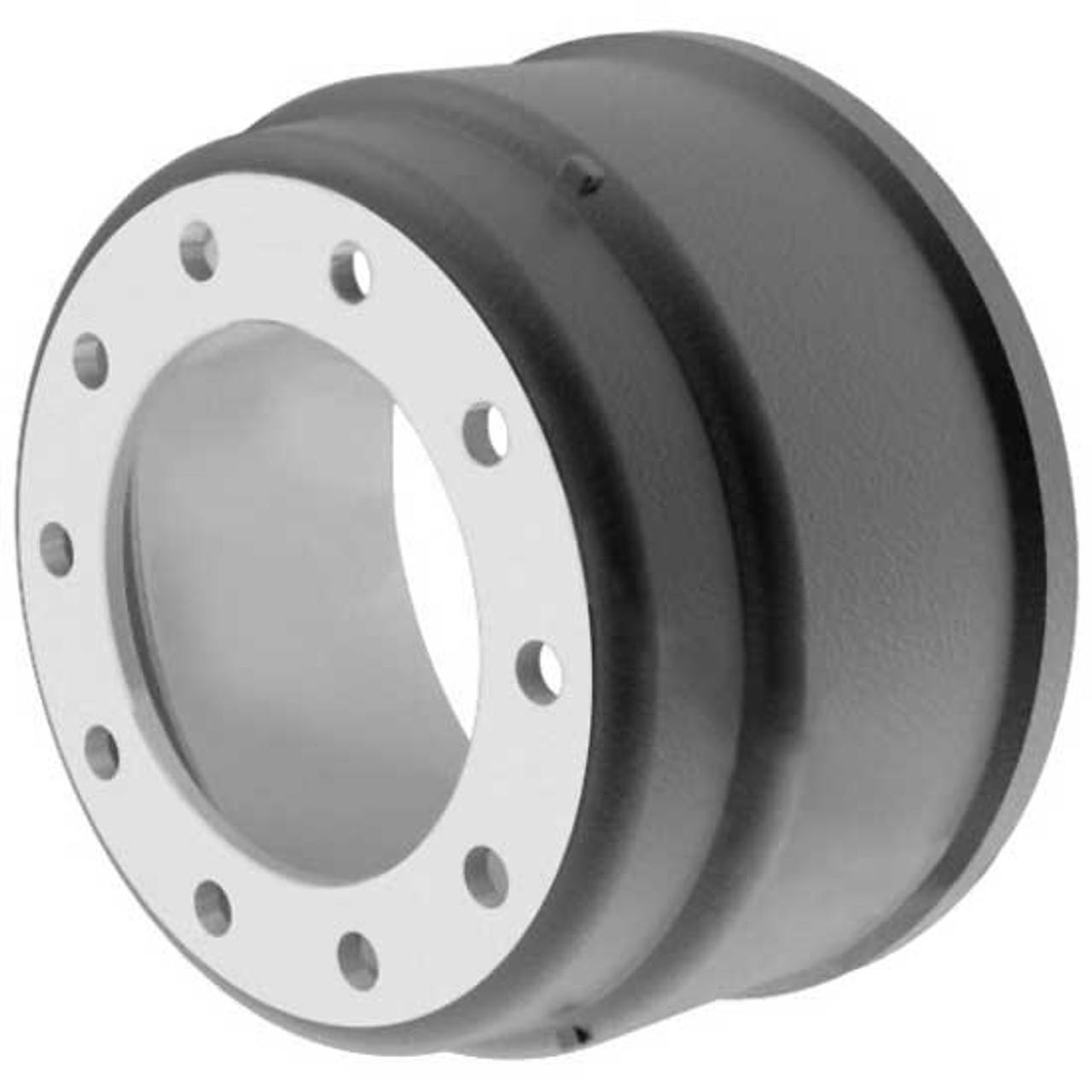
Successful brake drum corrosion protection requires more than just selecting the right product—it demands a systematic approach to application, inspection, and maintenance. Establishing a regular inspection schedule (monthly in high-risk environments) allows for early detection of potential issues before they escalate into costly failures.
Discover how莱州冠晫贸易有限公司 (Laizhou Guanzhuo Trading Co., Ltd.) delivers high-quality brake drum protection solutions tailored to your specific climate challenges, with rapid delivery to keep your fleet operational and safe.
Get Your Custom Climate Protection SolutionEvery fleet manager knows that unexpected downtime can quickly erode profitability. By implementing a proactive brake drum corrosion protection strategy tailored to your operating environment, you'll not only extend component life and improve safety but also gain a competitive advantage through reduced maintenance costs and enhanced operational efficiency.
What corrosion challenges have you faced in your specific climate? Have you found an effective solution that works for your operation? Share your insights in the comments below to help other fleet managers navigate these common challenges.
 73
|
73
|
 brake disc coating technology rust-resistant brake discs high compatibility brake discs commercial vehicle brake system upgrade brake disc corrosion resistance
223
|
Brake disc compatibility High - precision positioning holes European E - mark certification OEM brake disc customization Brake system interface compatibility design
56
|
brake drum rust - proof treatment solutions brake drum protection in humid areas anti - corrosion technology for commercial vehicle brake systems oil - sealed rust prevention for brake drums spray - anti - corrosion for brake drums
478
|
Brake disc adaptability High - precision positioning holes European E - mark certification OEM brake disc customization Brake system interface compatible design
499
|
Brake kit selection guide Brake kit compatibility judgment Brake kit installation steps ABS ring gear kit usage tips Brake system maintenance essentials
brake disc coating technology rust-resistant brake discs high compatibility brake discs commercial vehicle brake system upgrade brake disc corrosion resistance
223
|
Brake disc compatibility High - precision positioning holes European E - mark certification OEM brake disc customization Brake system interface compatibility design
56
|
brake drum rust - proof treatment solutions brake drum protection in humid areas anti - corrosion technology for commercial vehicle brake systems oil - sealed rust prevention for brake drums spray - anti - corrosion for brake drums
478
|
Brake disc adaptability High - precision positioning holes European E - mark certification OEM brake disc customization Brake system interface compatible design
499
|
Brake kit selection guide Brake kit compatibility judgment Brake kit installation steps ABS ring gear kit usage tips Brake system maintenance essentials