.png?x-oss-process=image/resize,h_100,m_lfit/format,webp)
.png?x-oss-process=image/resize,h_100,m_lfit/format,webp)
.png?x-oss-process=image/resize,h_100,m_lfit/format,webp)
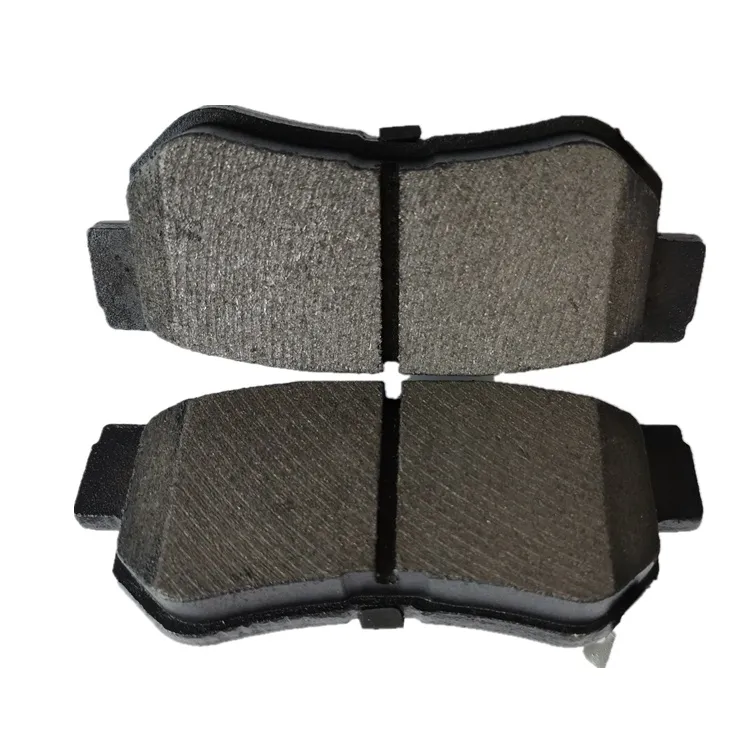
Managing a commercial vehicle fleet demands precision, especially when it comes to brake system reliability. Brake failures under high temperature, excessive noise, or dust contamination are not just operational setbacks—they pose direct threats to safety and bottom-line efficiency. Understanding the nuances of brake pad materials, certification standards, and real-world application scenarios empowers you to make informed choices that keep your fleet safe and compliant.
In heavy-duty transport, brake pads often face continuous high friction, resulting in extreme temperatures—sometimes exceeding 500°C (932°F). Such intense heat can cause traditional brake pads, especially non-ceramic types, to degrade quickly, leading to reduced stopping power or failure.
The key is selecting brake pads engineered for superior thermal stability and heat dissipation. For instance, ceramic and copper-free ceramic pads exhibit temperature resistance up to 650°C (1202°F), maintaining friction performance without glazing or fading.
| Material Type | Maximum Operating Temp (°C) | Heat Dissipation | Wear Resistance | Noise Level | Dust Emission |
|---|---|---|---|---|---|
| Semi-metallic | 450 | Moderate | High | Medium-High | High |
| Low Steel Content | 470 | Moderate | Moderate | Medium | Medium |
| Ceramic | 600 | High | High | Low | Low |
| Copper-free Ceramic | 650 | Very High | Very High | Very Low | Very Low |
Complaints about squealing brakes and excessive brake dust are common among heavy commercial vehicle operators. Noise not only disrupts drivers’ comfort but may also breach environmental regulations in urban areas.
Copper-free ceramic brake pads bring tangible benefits here—delivering significantly reduced noise levels (<65 dB on average) and minimal particulate emissions, making them ideal for city buses and short-haul trucking.
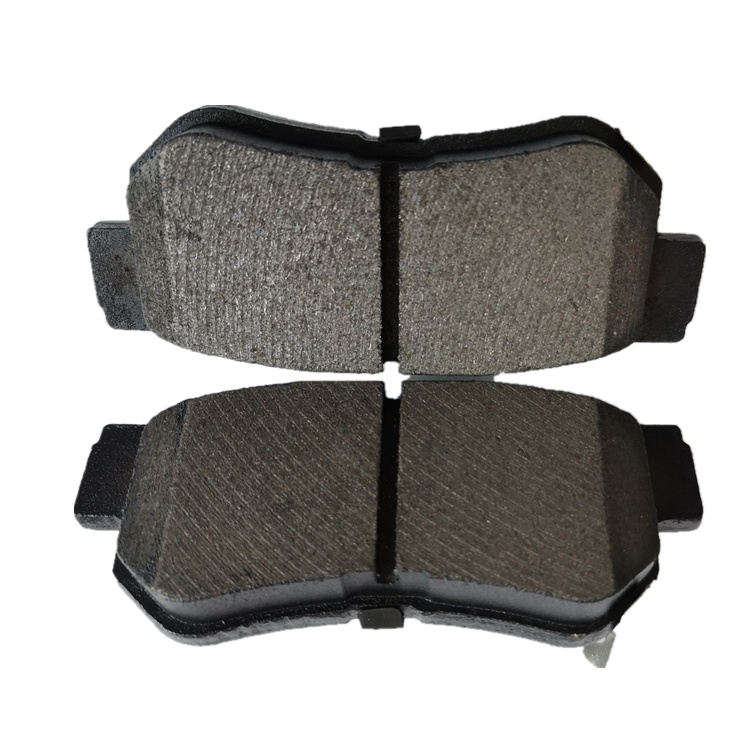
Adhering to international certifications like IATF TS16949 and E-MARK R90 is more than a paperwork exercise. It ensures consistency in quality, durability, and performance while facilitating entry into stringent markets such as Europe and Russia.
For your fleet operations, sourcing brake pads compliant with these standards reduces liability risk and guarantees that product safety metrics have been verified under real-world testing scenarios.
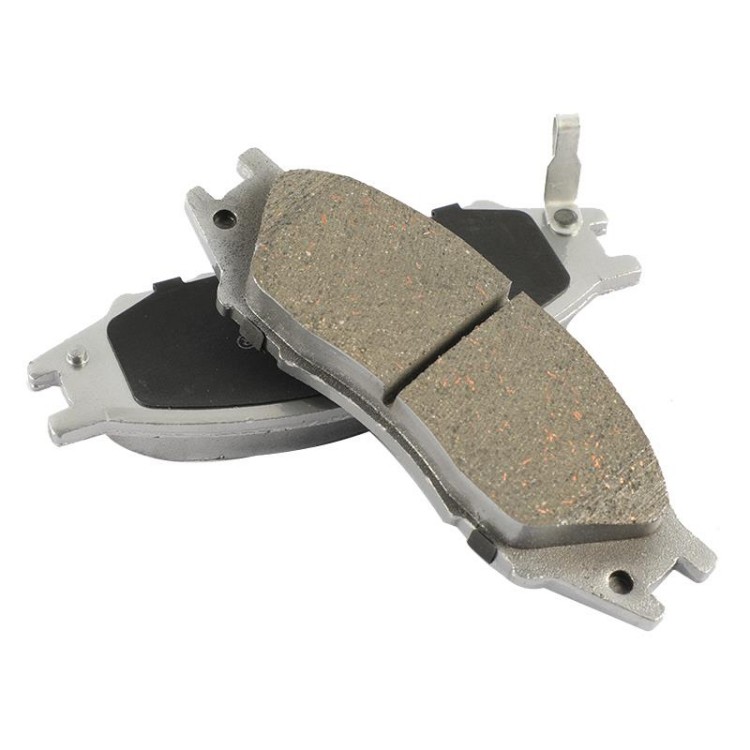
Whether your fleet operates long-haul across deserts, in frigid regions, or congested urban routes, brake pad selection and installation must be customized:
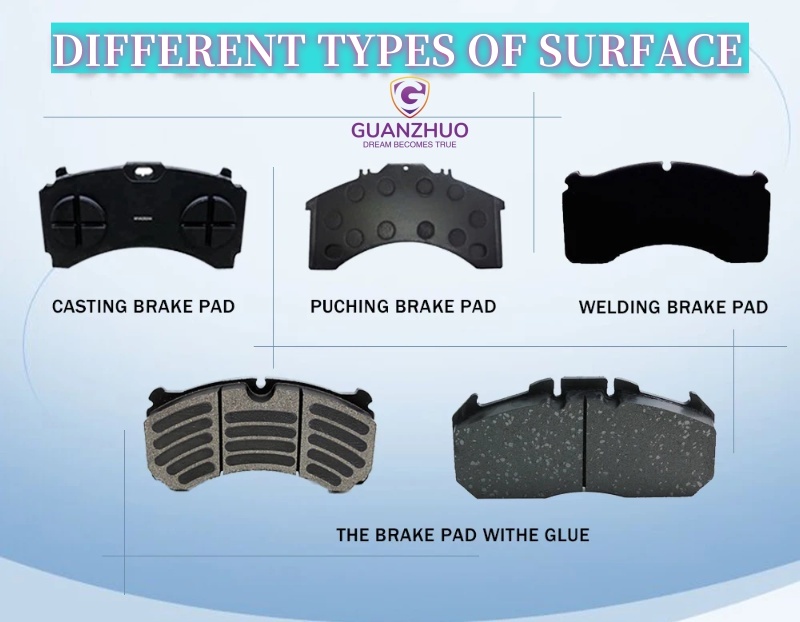
“After switching to copper-free ceramic brake pads certified by E-MARK R90, our fleet reported a 30% reduction in brake-related downtime and a significant improvement in driver satisfaction due to reduced noise and dust.” — Fleet Manager, European Logistics Company
To maximize safety and ROI, implement these practical measures:
 420
|
420
|
 High - performance wear - resistant brake discs IATF TS16949 certification Rust - proof brake discs Global vehicle model compatibility Brake disc quality assurance
296
|
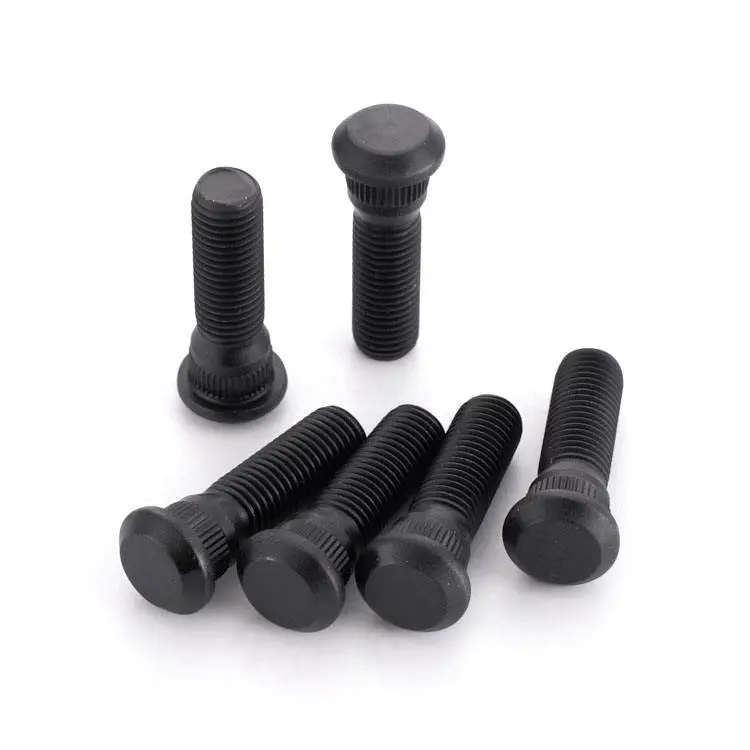
IATF TS16949 certified brake bolts automotive brake system components corrosion resistant brake fasteners R90 E-mark certification anti-rust packaging technology
397
|
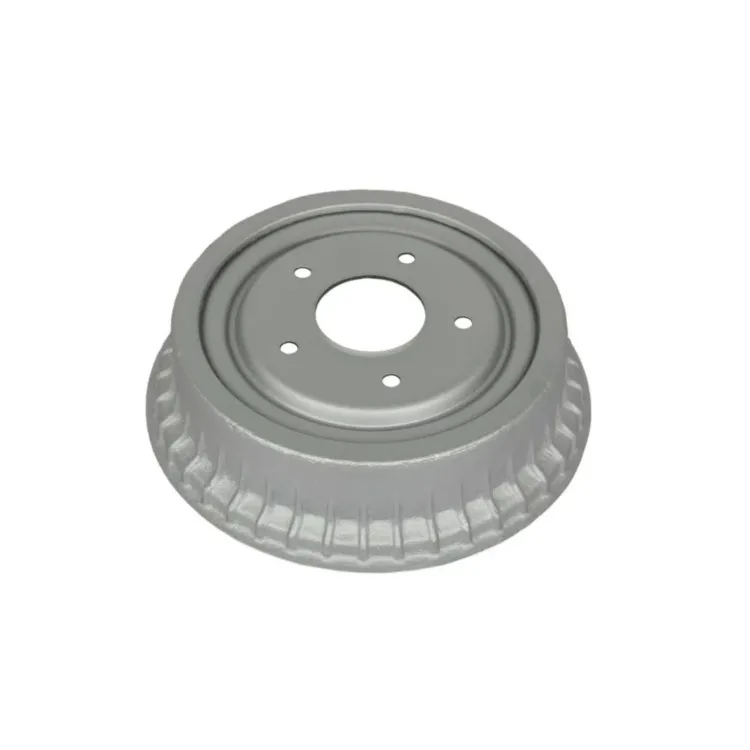
brake drum rust protection brake drum anti-corrosion technology commercial vehicle brake system protection rust prevention coatings for automotive parts brake drum surface treatment process
256
|
brake kit certification standards E-MARK certified brake components VCA COP audit process automotive brake system safety environmentally compliant brake pads
33
|
E-MARK R90 certification heavy-duty brake pads European vehicle safety standards brake pad compliance commercial vehicle braking systems
High - performance wear - resistant brake discs IATF TS16949 certification Rust - proof brake discs Global vehicle model compatibility Brake disc quality assurance
296
|
IATF TS16949 certified brake bolts automotive brake system components corrosion resistant brake fasteners R90 E-mark certification anti-rust packaging technology
397
|
brake drum rust protection brake drum anti-corrosion technology commercial vehicle brake system protection rust prevention coatings for automotive parts brake drum surface treatment process
256
|
brake kit certification standards E-MARK certified brake components VCA COP audit process automotive brake system safety environmentally compliant brake pads
33
|
E-MARK R90 certification heavy-duty brake pads European vehicle safety standards brake pad compliance commercial vehicle braking systems
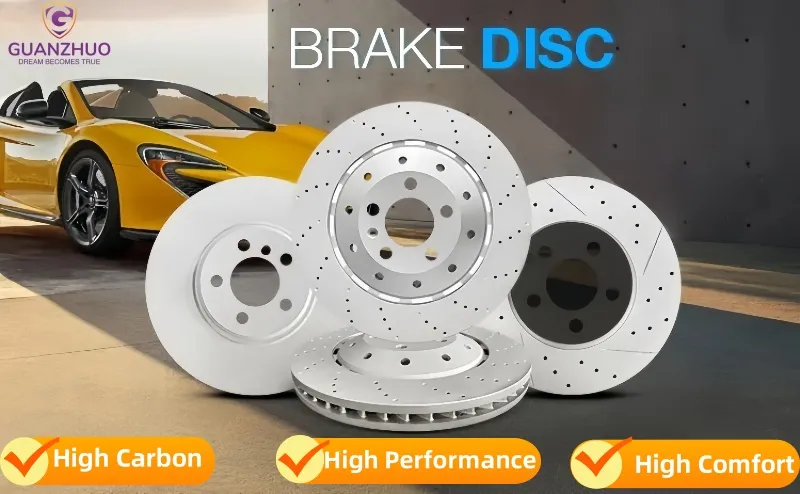


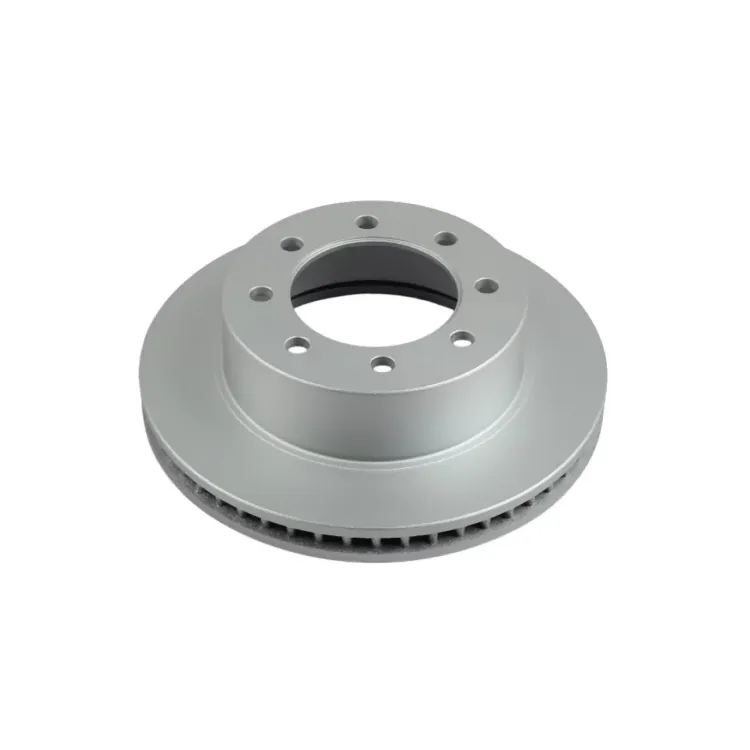


.png?x-oss-process=image/resize,h_800,m_lfit/format,webp)