.png?x-oss-process=image/resize,h_100,m_lfit/format,webp)
.png?x-oss-process=image/resize,h_100,m_lfit/format,webp)
.png?x-oss-process=image/resize,h_100,m_lfit/format,webp)
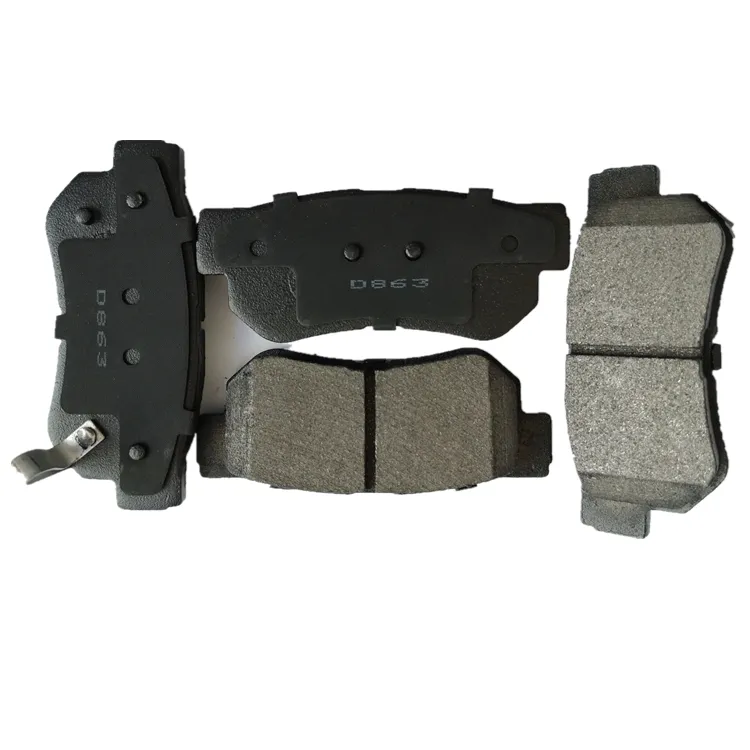
In the realm of commercial vehicle safety, brakes play a pivotal and decisive role. Selecting the appropriate brake pad material is not just a matter of choice but a crucial decision for enhancing vehicle braking efficiency and overall operational safety. This article delves deep into the high - temperature resistance performance and application differences of semi - metallic, low - steel, and ceramic materials in commercial vehicle brake pads, with a focus on their braking performance and safety assurance in heavy - duty trucks and buses.
The performance of semi - metallic, low - steel, and ceramic brake pads varies significantly under different temperature conditions. Here is a detailed comparison:
| Material | Temperature Resistance Range | Heat Dissipation Performance | Noise Level | Dust Level |
|---|---|---|---|---|
| Semi - metallic | 300 - 600°C | Good | Medium | High |
| Low - steel | 250 - 550°C | Average | Low | Medium |
| Ceramic | 400 - 700°C | Excellent | Very low | Very low |
From the table, we can see that ceramic brake pads have the best high - temperature resistance and heat dissipation performance, along with the lowest noise and dust levels. However, different materials also have their own advantages in specific application scenarios.
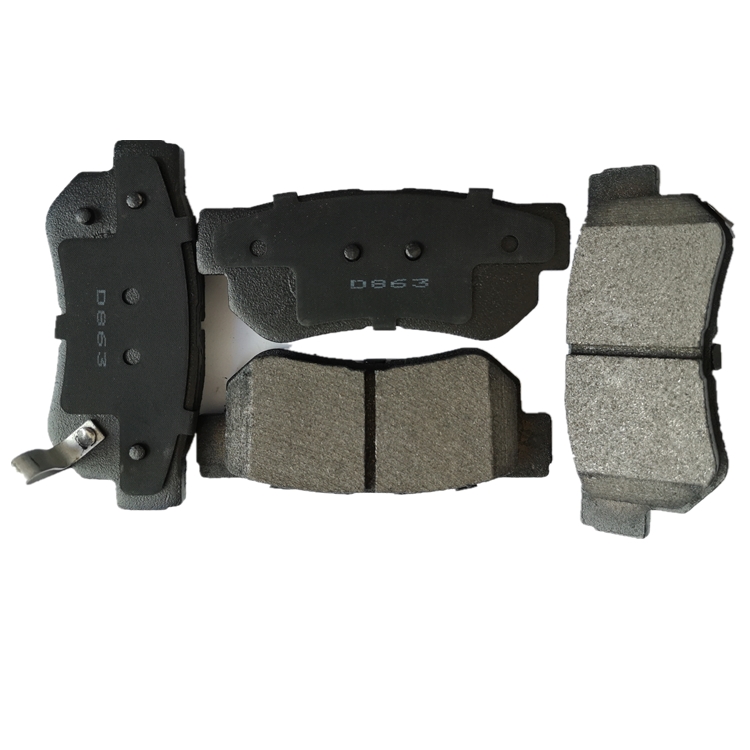
In the global commercial vehicle market, compliance with international certification standards is crucial for product market access. Two of the most important standards are IATF TS16949 and E - MARK R90.
This is an international automotive quality management system standard. Products certified by IATF TS16949 demonstrate strict quality control and management processes, which is essential for entering the global automotive supply chain.
This is a European Union vehicle safety certification standard. Brake pads that meet the E - MARK R90 standard indicate that they meet high - level safety and performance requirements and are allowed to enter the European market.
Let's take a look at some real - world customer cases to understand the specific effects of different brake pad materials on improving braking safety and operational efficiency.
This company switched from semi - metallic brake pads to ceramic brake pads. As a result, brake system failures were reduced by 30%, and overall vehicle maintenance costs decreased by 15% within a year.
After adopting low - steel brake pads, the noise level in buses decreased significantly, and passenger comfort was improved. At the same time, the service life of brake pads was extended by about 20%.
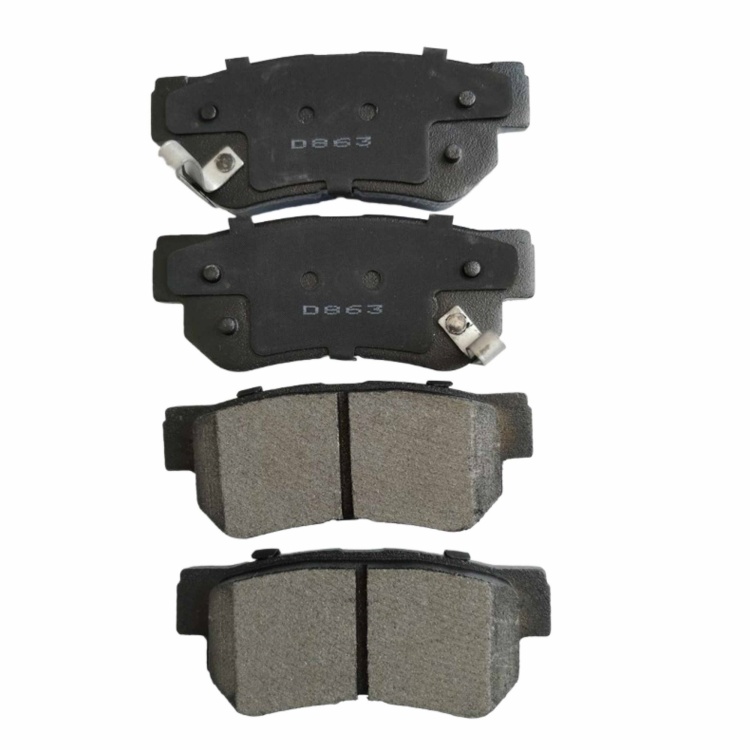
When choosing brake pads, customers should consider the specific use scenario and local regulations. Here are some general guidelines:
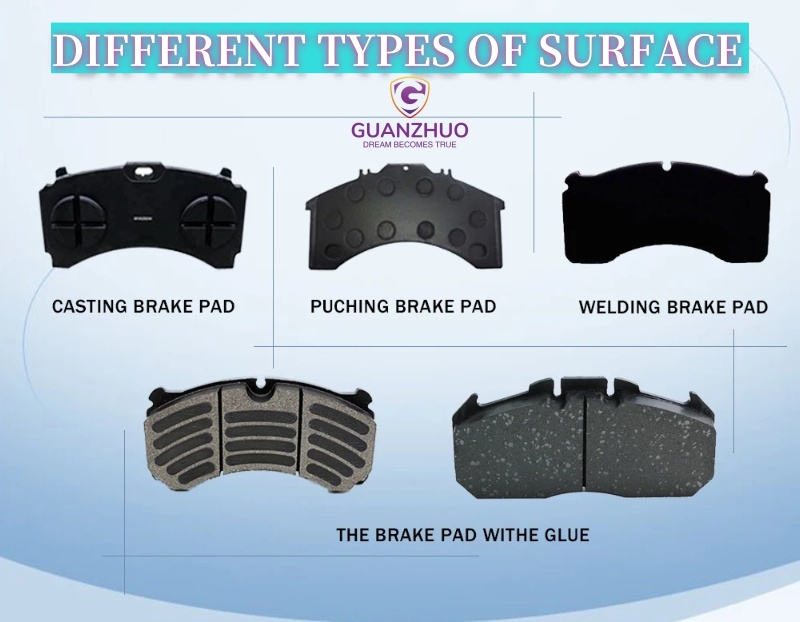
In conclusion, a high - performance braking solution is essential for ensuring the safety and efficiency of commercial vehicle operations. By choosing the right brake pad material and ensuring product compliance, businesses can achieve sustainable growth.
Explore High - Performance Brake Products Now! 71
|
71
|
 brake kit selection guide single piece brake caliper dual piece brake caliper brake system compatibility brake installation best practices
273
|
brake kit selection guide single-piece brake kit two-piece brake kit brake system adaptability automobile brake kit installation skills
103
|
brake kit selection guide brake kit compatibility judgment brake kit installation checklist ABS ring kit usage tutorial car modified brake system
414
|
automotive brake kit certification VCA COP审核 EMARK certification brake kit safety standards brake component compliance
397
|
Brake disc replacement Brake disc wear assessment Brake disc replacement time Brake disc wear standards Brake disc inspection method
brake kit selection guide single piece brake caliper dual piece brake caliper brake system compatibility brake installation best practices
273
|
brake kit selection guide single-piece brake kit two-piece brake kit brake system adaptability automobile brake kit installation skills
103
|
brake kit selection guide brake kit compatibility judgment brake kit installation checklist ABS ring kit usage tutorial car modified brake system
414
|
automotive brake kit certification VCA COP审核 EMARK certification brake kit safety standards brake component compliance
397
|
Brake disc replacement Brake disc wear assessment Brake disc replacement time Brake disc wear standards Brake disc inspection method