.png?x-oss-process=image/resize,h_100,m_lfit/format,webp)
.png?x-oss-process=image/resize,h_100,m_lfit/format,webp)
.png?x-oss-process=image/resize,h_100,m_lfit/format,webp)

In the global automotive aftermarket, there's a growing trend among overseas customers towards brake discs that can cover up to 99% of vehicle models. But what drives this preference? Let's delve into the details.
Commercial and passenger vehicles have significantly different brake disc requirements. In terms of materials, commercial vehicle brake discs often need to withstand higher stress and heat, so they usually use materials like GG20 gray iron. Passenger vehicle brake discs, on the other hand, may focus more on lightweight and cost - effectiveness, sometimes using high - carbon steel. The working conditions also vary greatly. Commercial vehicles, such as trucks and buses, operate under heavy loads and long - distance driving, which means their brake discs experience more intense friction and wear. Passenger vehicles, in contrast, generally have a lighter load and more moderate driving conditions. As a result, the lifespan of brake discs in these two types of vehicles can differ substantially. Commercial vehicle brake discs may need to be replaced more frequently, which can be a headache for fleet managers and repair shops.
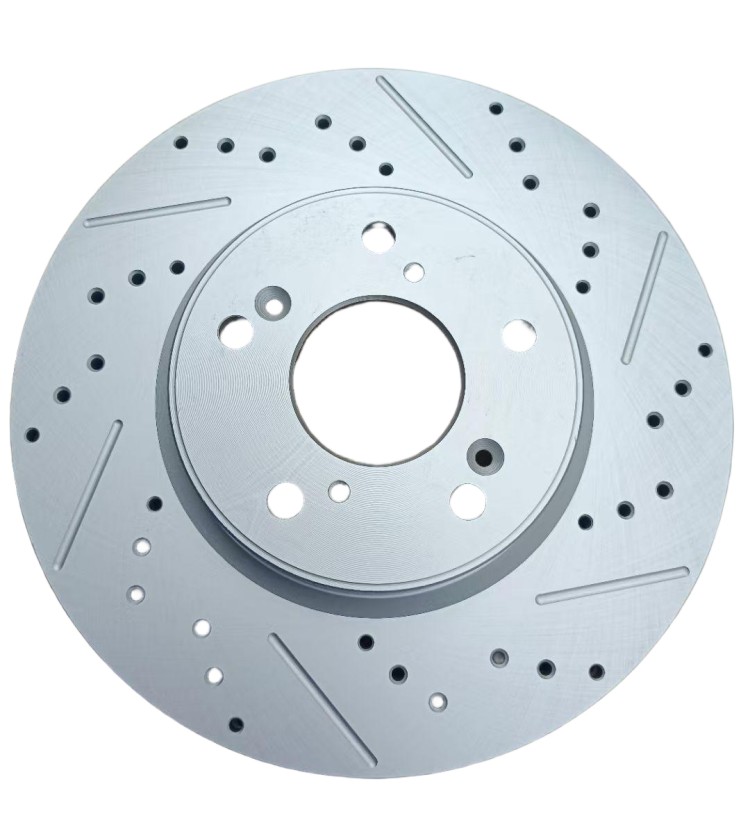
High - compatibility brake discs address these issues effectively. Firstly, they are made from high - quality GG20 gray iron and high - carbon steel. These materials offer excellent strength and heat resistance, ensuring that the brake discs can handle the demanding conditions of both commercial and passenger vehicles. Secondly, dynamic balance calibration is a crucial step in the manufacturing process. This ensures that the brake discs rotate evenly, which is essential for precise and stable braking. Uneven rotation can lead to vibrations, noise, and uneven wear, all of which can affect the braking performance and safety of the vehicle. Thirdly, the multi - layer anti - rust coating technology used on these brake discs provides long - term protection against corrosion. Rust can not only damage the appearance of the brake discs but also reduce their performance and lifespan. With this advanced coating, the brake discs can maintain their integrity even in harsh environments.
The high - compatibility brake discs are backed by authoritative certifications such as IATF TS16949, R90 E - mark, and VCA COP. The IATF TS16949 certification indicates that the manufacturing process meets the strict quality management standards of the automotive industry. The R90 E - mark is a European Union certification that ensures the brake discs meet the safety and performance requirements for road use. The VCA COP certification further validates the technical credibility of the product. These certifications give global customers confidence in the product's quality and reliability, reducing the after - sales risk and enhancing operational efficiency.
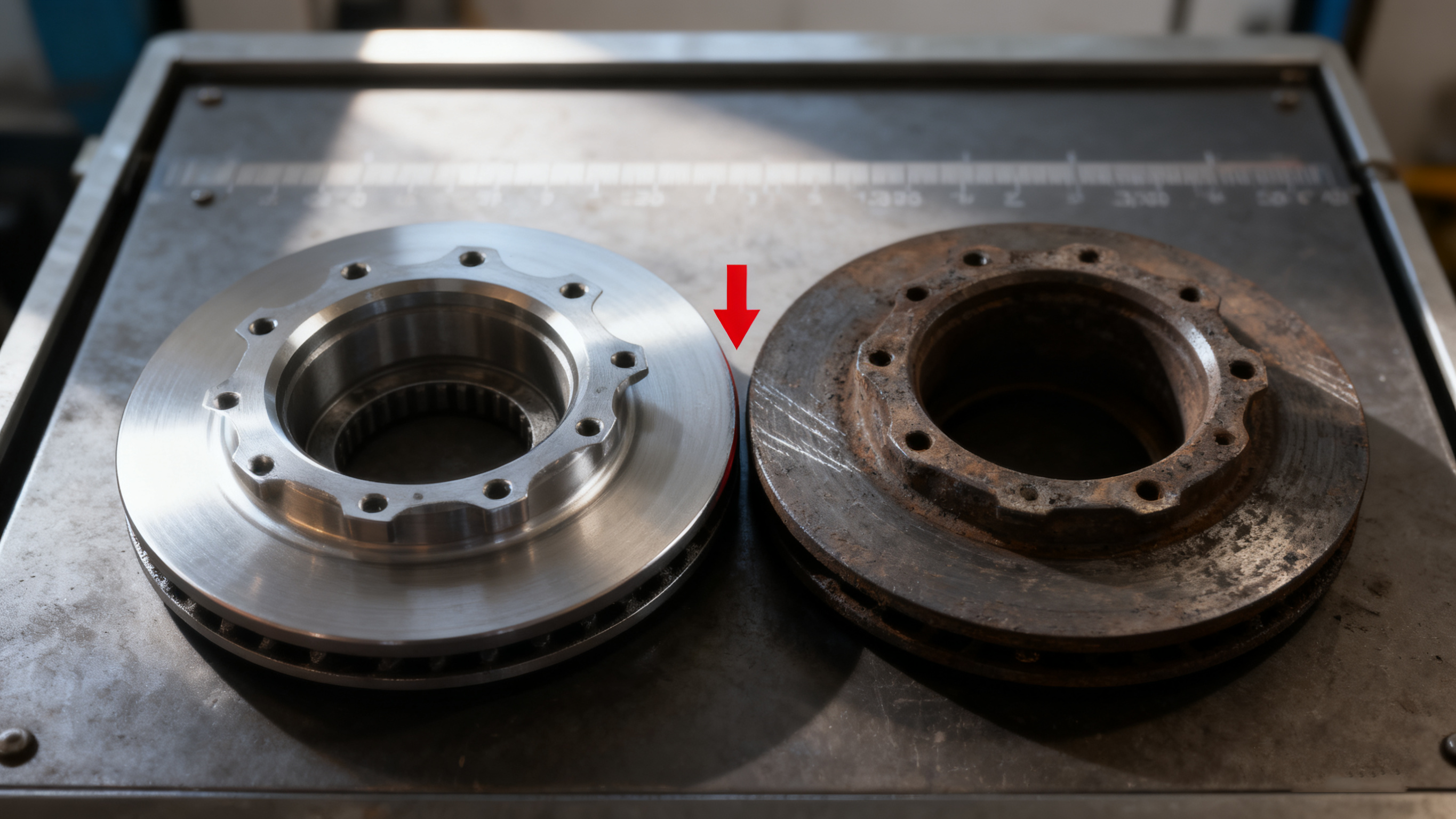
The practical benefits of high - compatibility brake discs are evident. For repair shops, having a single type of brake disc that can fit 99% of vehicle models simplifies inventory management. They no longer need to stock a large number of different brake discs for different vehicle models, which can save storage space and reduce inventory costs. For fleet managers, these brake discs can significantly reduce the frequency of brake disc replacement. In fact, studies have shown that by using high - compatibility brake discs, a fleet can save up to 30% on brake disc replacement costs annually. Moreover, the long - lasting performance of these brake discs, supported by an 80,000 - kilometer warranty, ensures the safety and reliability of the vehicles, which is crucial for the smooth operation of the fleet.
Whether you're a procurement decision - maker at a repair shop or a fleet manager, high - compatibility brake discs offer a reliable and cost - effective solution. If you're interested in learning more about how these brake discs can meet your specific needs, we invite you to explore our customized solutions. Click the button below to request a technical whitepaper or a case study report.
Discover Your Brake Disc Solution Now 468
|
468
|
 brake disc warranty period brake disc mileage guarantee passenger car brake disc selection guide B2B brake disc procurement brake disc anti - rust treatment
65
|
brake disc adaptability high precision locating holes E-mark certification OEM brake disc customization brake system interface compatibility
270
|
Passenger car brake disc selection Anti - rust treatment technology comparison Brake disc warranty policy Cost - effective brake discs Supply chain procurement risk management
57
|
commercial vehicle brake kit selection brake kit compatibility with hub design caliper layout for trucks brake installation best practices ABS ring kit for commercial vehicles
237
|
brake kit selection guide brake kit compatibility judgment brake kit installation essentials ABS ring kit selection braking system matching standards
brake disc warranty period brake disc mileage guarantee passenger car brake disc selection guide B2B brake disc procurement brake disc anti - rust treatment
65
|
brake disc adaptability high precision locating holes E-mark certification OEM brake disc customization brake system interface compatibility
270
|
Passenger car brake disc selection Anti - rust treatment technology comparison Brake disc warranty policy Cost - effective brake discs Supply chain procurement risk management
57
|
commercial vehicle brake kit selection brake kit compatibility with hub design caliper layout for trucks brake installation best practices ABS ring kit for commercial vehicles
237
|
brake kit selection guide brake kit compatibility judgment brake kit installation essentials ABS ring kit selection braking system matching standards



.png?x-oss-process=image/resize,h_800,m_lfit/format,webp)