.png?x-oss-process=image/resize,h_100,m_lfit/format,webp)
.png?x-oss-process=image/resize,h_100,m_lfit/format,webp)
.png?x-oss-process=image/resize,h_100,m_lfit/format,webp)

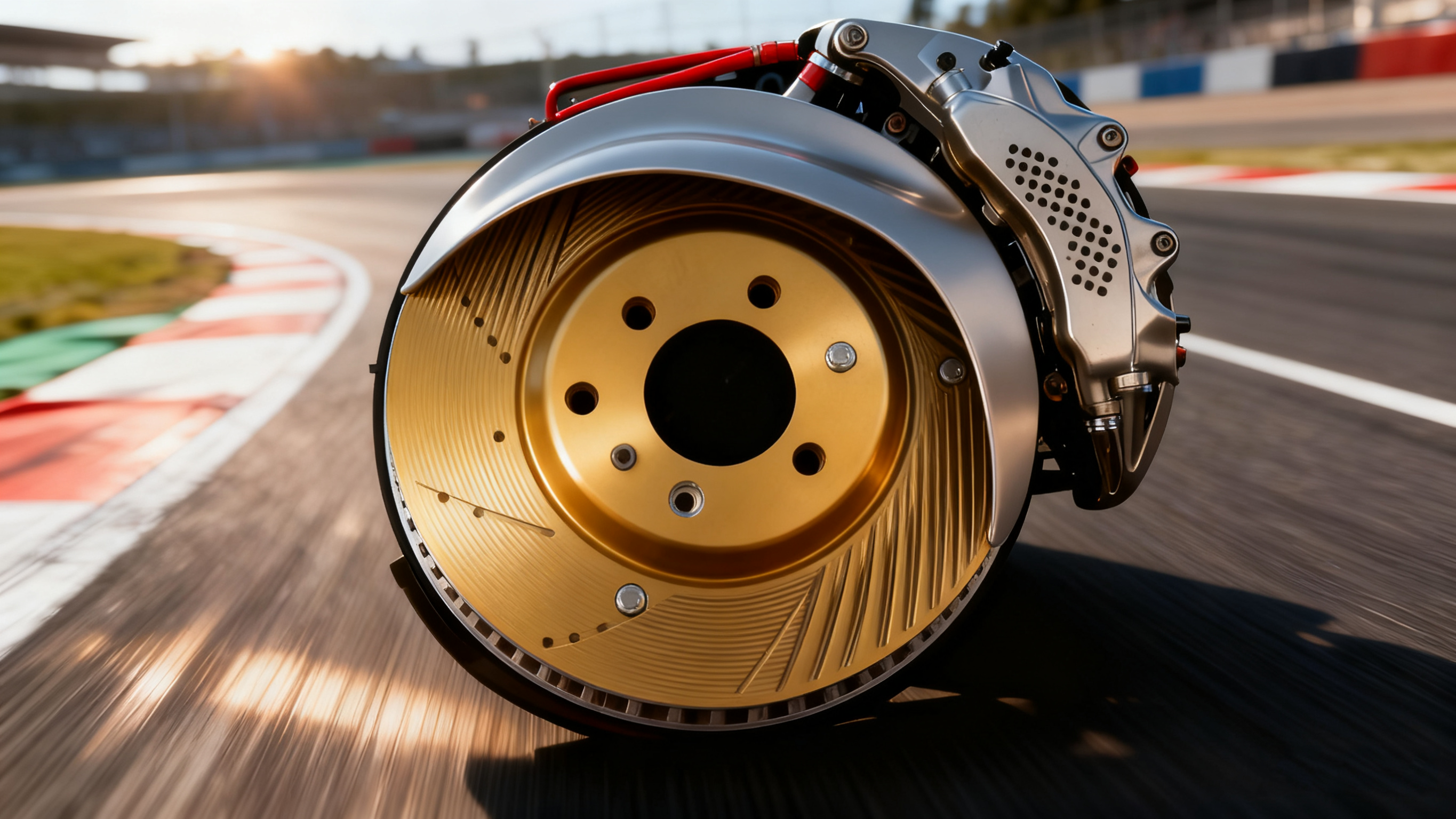
In the global automotive aftermarket, the quest for a brake disc that can fit over 99% of vehicle models is a remarkable feat. This achievement not only showcases engineering prowess but also holds the key to unlocking vast international markets. How does a single brake disc achieve such an astonishing level of universality? This article delves deep into the design logic behind high - carbon brake discs, revealing the systematic approach from engineering calculations to international regulatory compliance.
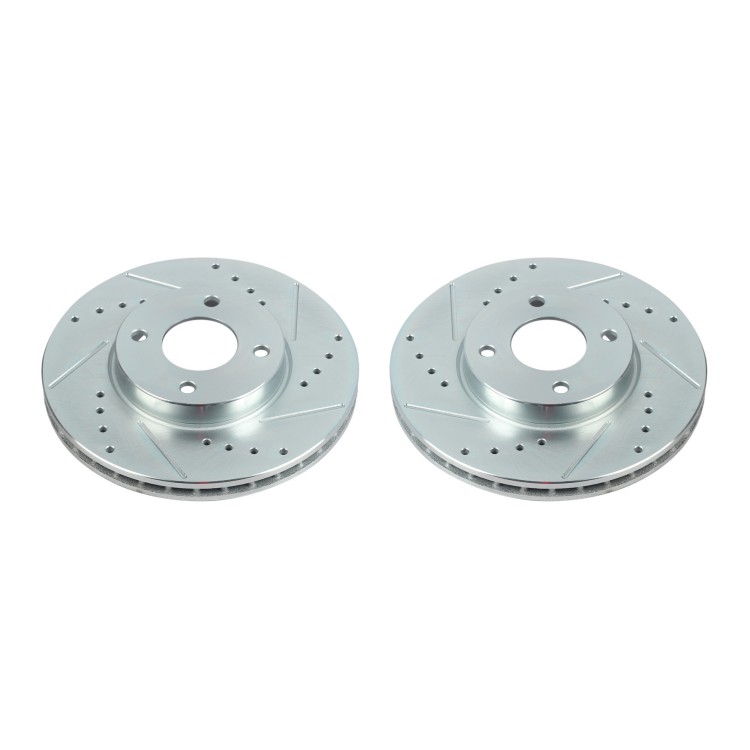
The accuracy of positioning holes is the cornerstone of brake disc compatibility. By precisely controlling the diameter, position, and circularity of these holes, brake discs can be accurately aligned with different vehicle hubs. A tolerance control within ±0.05mm ensures that the brake disc can fit snugly on a wide range of vehicles, reducing the risk of misalignment and vibration during braking.
Size tolerance is another critical factor. Brake discs must be manufactured within strict size limits to ensure they can be installed correctly on various vehicles. For example, the outer diameter tolerance of a brake disc is typically controlled within ±0.1mm, and the thickness tolerance within ±0.03mm. This meticulous control allows the brake disc to adapt to different vehicle braking systems without sacrificing performance.
Standardizing installation interfaces is the final piece of the puzzle. By unifying the interface design, such as the number and arrangement of bolts and the shape of the mounting surface, brake discs can be easily installed on different vehicles. This standardization not only simplifies the installation process but also improves the interchangeability of brake discs across different models.
The R90 E - mark certification is a crucial milestone for brake discs entering the European market. This certification requires brake discs to pass a series of rigorous tests, including thermal decay tests and cyclic durability tests.
In thermal decay tests, brake discs are subjected to high - temperature conditions to simulate extreme braking scenarios. The brake disc must maintain stable braking performance even when the temperature reaches 600°C. Cyclic durability tests involve subjecting the brake disc to repeated braking cycles, typically over 100,000 cycles, to ensure its long - term reliability.
The R90 E - mark certification not only ensures product quality but also forces manufacturers to optimize their product designs, making the brake discs more reliable and adaptable to different operating conditions.
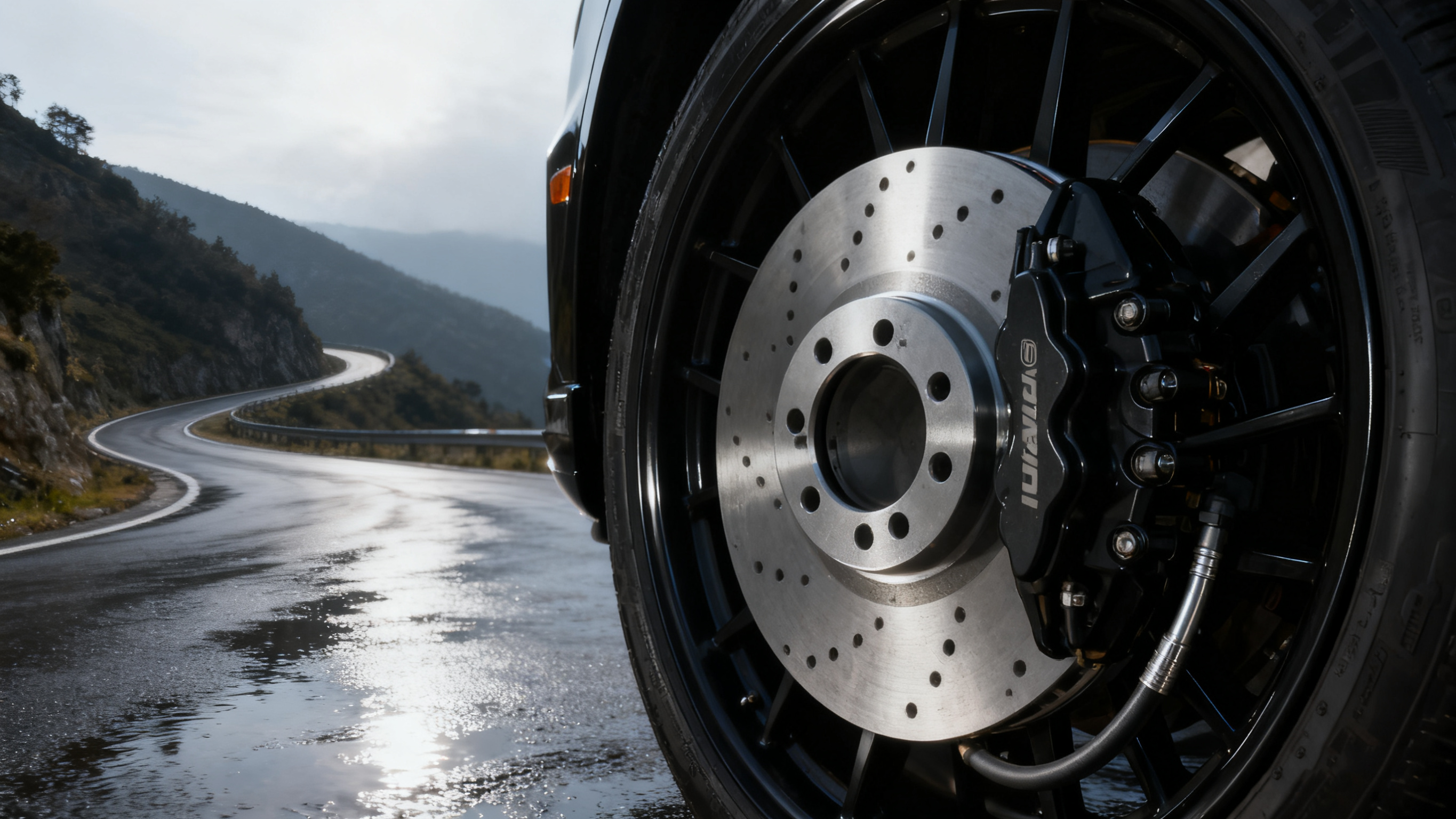
Based on the unified technical framework, OEM/ODM customization services can quickly respond to customers' needs for colors and logos. Whether it's a unique brand color or a specific logo, manufacturers can use advanced surface treatment and printing technologies to achieve customization while maintaining the high compatibility and reliability of the brake discs.
This flexibility allows customers to differentiate their products in the market while leveraging the advantages of our high - compatibility brake discs. For example, a customer in South America can customize the brake discs with their brand logo and a unique color scheme, enhancing brand recognition and market competitiveness.
An overseas customer in Africa was struggling to enter the local market due to the lack of a suitable brake disc product. After adopting our high - compatibility brake disc design logic, they were able to offer a product that could fit most local vehicles. With the support of R90 E - mark certification, their products quickly gained market recognition and successfully entered the African market.
This case demonstrates that our systematic approach to brake disc design can provide a replicable model for international trade practitioners, helping them overcome market entry barriers and achieve business success.
 296
|
296
|
 IATF TS16949 certified brake bolts automotive brake system components corrosion resistant brake fasteners R90 E-mark certification anti-rust packaging technology
174
|
automotive brake lining certification VCA COP audit requirements E-MARK certification standards brake system quality control high-performance brake linings
45
|
brake disc compatibility E-Mark certified brake discs high-precision locating holes international brake disc standards OEM brake disc customization
417
|
brake disc installation mistakes brake disc flatness brake disc thickness consistency commercial vehicle brake systems precision machining for brake discs
71
|
Ceramic composite brake disc High silicon molybdenum cast iron brake disc Regenerative braking in new energy vehicles Low dust brake disc Heavy truck braking technology
IATF TS16949 certified brake bolts automotive brake system components corrosion resistant brake fasteners R90 E-mark certification anti-rust packaging technology
174
|
automotive brake lining certification VCA COP audit requirements E-MARK certification standards brake system quality control high-performance brake linings
45
|
brake disc compatibility E-Mark certified brake discs high-precision locating holes international brake disc standards OEM brake disc customization
417
|
brake disc installation mistakes brake disc flatness brake disc thickness consistency commercial vehicle brake systems precision machining for brake discs
71
|
Ceramic composite brake disc High silicon molybdenum cast iron brake disc Regenerative braking in new energy vehicles Low dust brake disc Heavy truck braking technology