.png?x-oss-process=image/resize,h_100,m_lfit/format,webp)
.png?x-oss-process=image/resize,h_100,m_lfit/format,webp)
.png?x-oss-process=image/resize,h_100,m_lfit/format,webp)
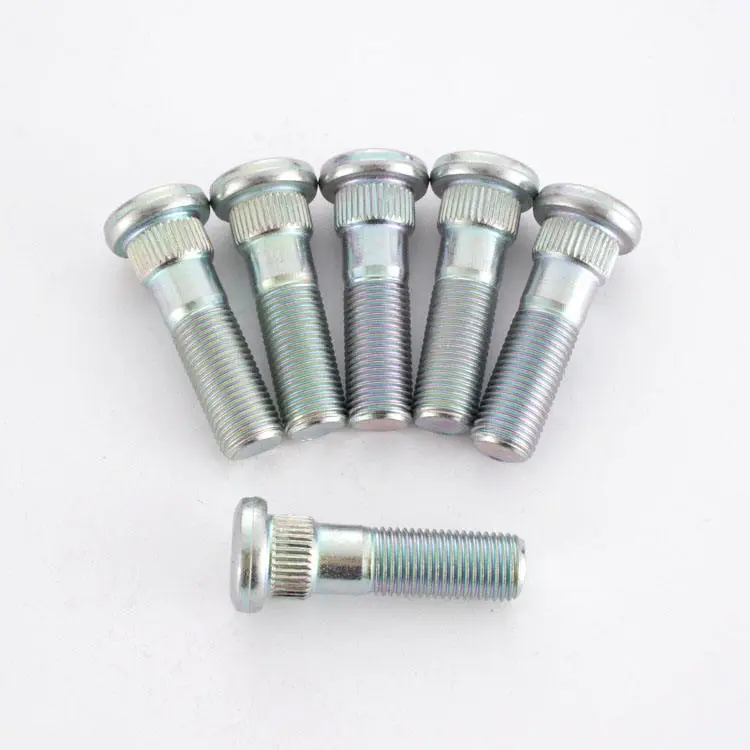
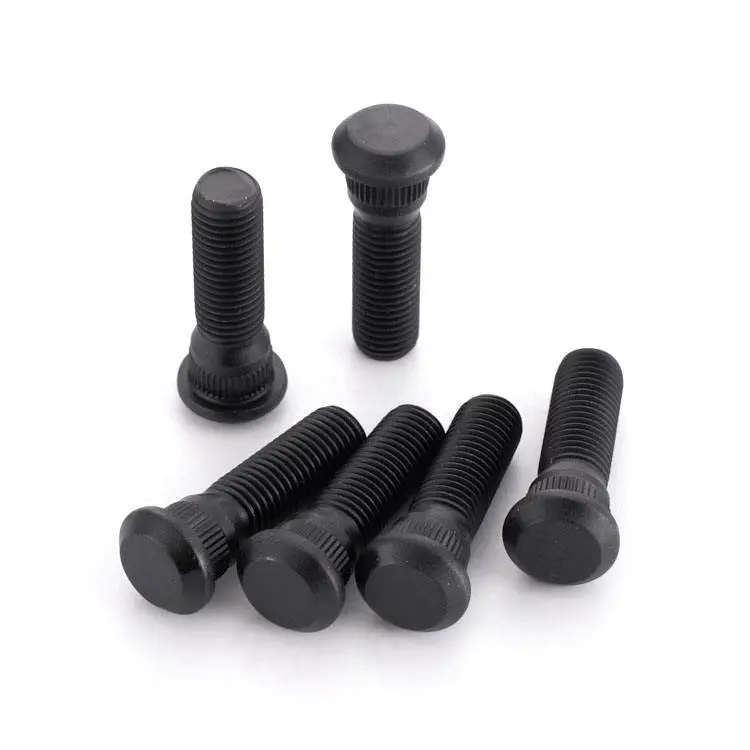
High-performance brake bolts are the key components of the automotive braking system, and their technical advantages directly affect the safety and reliability of vehicles. The anti-fade mechanism of these brake bolts is a significant feature. In continuous high-intensity braking situations, ordinary bolts may experience performance degradation, while high-performance brake bolts can maintain stable performance. For example, through advanced material science and heat treatment processes, the anti-fade mechanism can reduce the influence of high temperatures on the bolt's mechanical properties, ensuring that the braking force is effectively transmitted.
The long-life design principle is another core advantage. By optimizing the internal structure of the bolt and using high-quality materials, the wear rate of the bolt is significantly reduced. According to test data, the service life of high-performance brake bolts can be up to 30% longer than that of ordinary bolts, which effectively reduces the frequency of replacement and maintenance costs for vehicle owners.
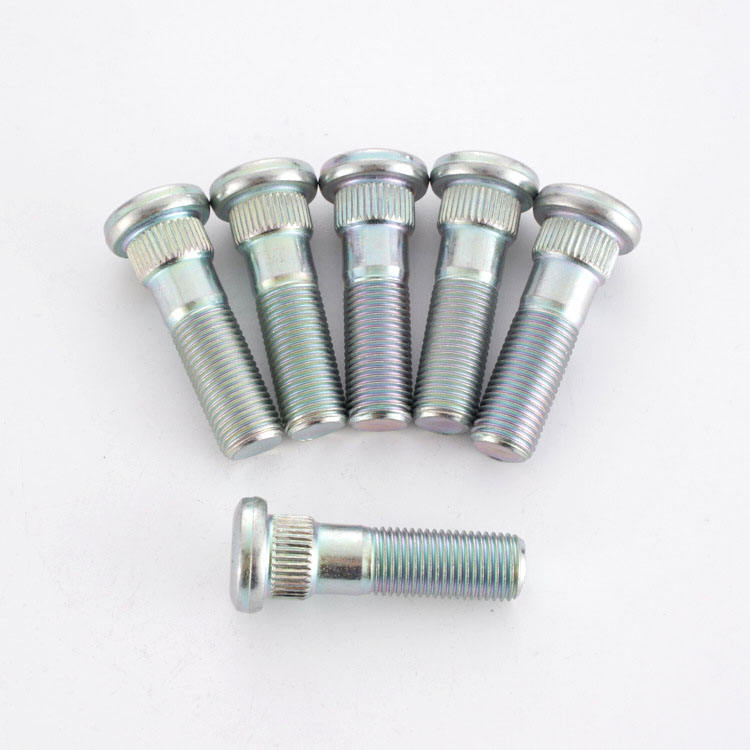
Different vehicle models have different requirements for the material and size of brake bolts. For example, Japanese family cars usually focus on fuel - efficiency and comfort, so they require bolts with relatively light weight and good corrosion resistance. Aluminum alloy bolts are a good choice in this case, as they can reduce the overall weight of the vehicle without sacrificing too much strength.
German performance cars, on the other hand, pursue high - speed performance and precise handling. They need bolts with high strength and excellent anti - fatigue performance. Stainless steel bolts are more suitable for these vehicles because they can withstand high - intensity forces during high - speed driving and sharp turns.
American pickups are often used for heavy - duty work, such as towing and carrying large loads. They require bolts with large diameters and high tensile strength. The larger size and stronger material of the bolts can ensure the stability of the braking system under heavy loads.
Stainless steel and aluminum alloy are two common materials for brake bolts. In extreme cold environments, stainless steel bolts have better low - temperature performance. They can maintain their strength and toughness, reducing the risk of brittle fracture. However, stainless steel is relatively heavy, which may increase the unsprung weight of the vehicle.
Aluminum alloy bolts are lighter, which can improve the vehicle's acceleration and fuel efficiency. In high - temperature environments, aluminum alloy has better heat dissipation performance. But in humid and corrosive environments, aluminum alloy is more prone to corrosion. Therefore, when selecting materials, factors such as the vehicle's usage environment and performance requirements should be comprehensively considered.
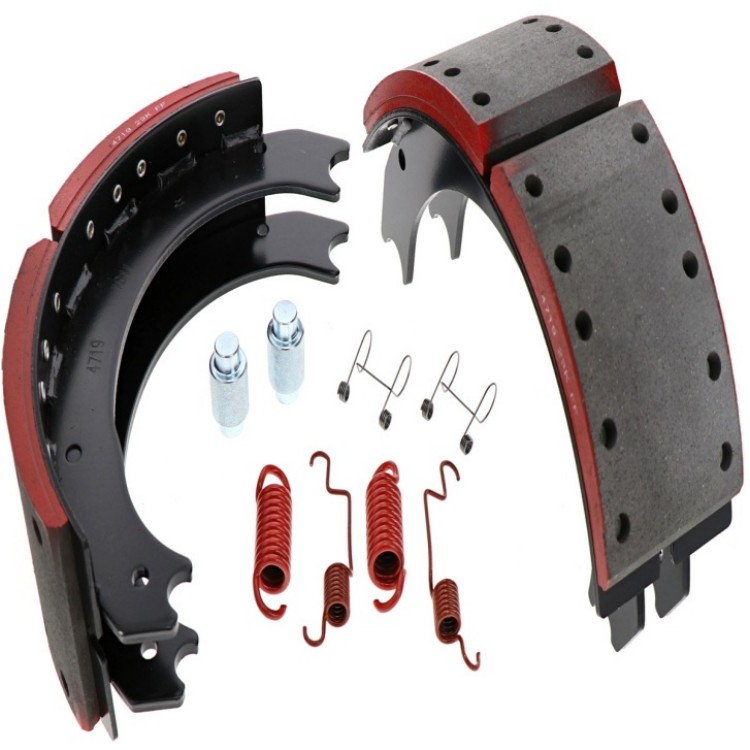
The transportation packaging method and rust - prevention treatment of brake bolts have a significant impact on the terminal installation experience. Box packaging is suitable for small - quantity shipments, which can effectively protect the bolts from damage during transportation. Pallet packaging is more suitable for large - quantity shipments, which is convenient for handling and storage.
Regarding rust - prevention treatment, oil coating can form a protective film on the surface of the bolt, preventing moisture and oxygen from contacting the bolt and reducing the risk of rust. Coating treatment can provide a more durable protective layer, especially in harsh environments. Good rust - prevention treatment can ensure that the bolts are in good condition when they reach the end - user, making the installation process smoother.
IATF TS16949 is an international automotive quality management system standard. Products that have passed this certification mean that they meet strict quality control requirements in the production process, ensuring the stability and reliability of product quality. R90 E - mark is a European Union certification for automotive safety - related parts, which indicates that the product has passed a series of safety and performance tests.
For procurement decision - makers, these two certifications are important references for evaluating the quality of brake bolts. They can effectively enhance the trust of buyers in the product and reduce the risk of purchasing sub - standard products.
One common misconception is whether ordinary bolts can replace brake bolts. The answer is no. Brake bolts are designed specifically for the braking system, and they need to withstand high - intensity forces and harsh working environments. Ordinary bolts do not have the necessary strength, anti - fatigue performance, and corrosion resistance, so using them to replace brake bolts will pose a serious threat to vehicle safety.
"High - performance brake bolts are an indispensable part of the automotive braking system. Their quality directly affects the safety of the vehicle and the driver. When choosing brake bolts, vehicle manufacturers and procurement decision - makers should pay attention to the product's technical advantages, material selection, and certification status." - An automotive industry expert
Q: Can high - performance brake bolts be used in all vehicle models?
A: High - performance brake bolts can be customized according to different vehicle models. However, it is necessary to ensure that the bolt's material, size, and performance meet the specific requirements of the vehicle.
Q: What is the difference between the transportation packaging methods?
A: Box packaging is suitable for small - quantity shipments and can provide better protection for individual bolts. Pallet packaging is more suitable for large - quantity shipments, which is convenient for handling and storage.
 465
|
465
|
 Brake disc adaptability High - precision positioning holes European E - mark certification OEM brake disc customization Brake system interface compatibility design
110
|
brake disc installation errors positioning hole accuracy precision turning machining brake disc flatness commercial vehicle brake discs
386
|
brake disc selection guide gray cast iron brake disc material automotive brake disc certification standards anti-corrosion brake disc technology high-performance brake disc for passenger cars
161
|
high-value brake discs passenger vehicle brake disc selection multi-layer corrosion protection brake disc warranty supply chain efficiency in automotive parts
317
|
Commercial vehicle brake pads certification standards Heavy - duty truck braking solutions E - MARK R90 certification details IATF TS16949 compliance guide Advantages of copper - free ceramic brake pads
Brake disc adaptability High - precision positioning holes European E - mark certification OEM brake disc customization Brake system interface compatibility design
110
|
brake disc installation errors positioning hole accuracy precision turning machining brake disc flatness commercial vehicle brake discs
386
|
brake disc selection guide gray cast iron brake disc material automotive brake disc certification standards anti-corrosion brake disc technology high-performance brake disc for passenger cars
161
|
high-value brake discs passenger vehicle brake disc selection multi-layer corrosion protection brake disc warranty supply chain efficiency in automotive parts
317
|
Commercial vehicle brake pads certification standards Heavy - duty truck braking solutions E - MARK R90 certification details IATF TS16949 compliance guide Advantages of copper - free ceramic brake pads