.png?x-oss-process=image/resize,h_100,m_lfit/format,webp)
.png?x-oss-process=image/resize,h_100,m_lfit/format,webp)
.png?x-oss-process=image/resize,h_100,m_lfit/format,webp)
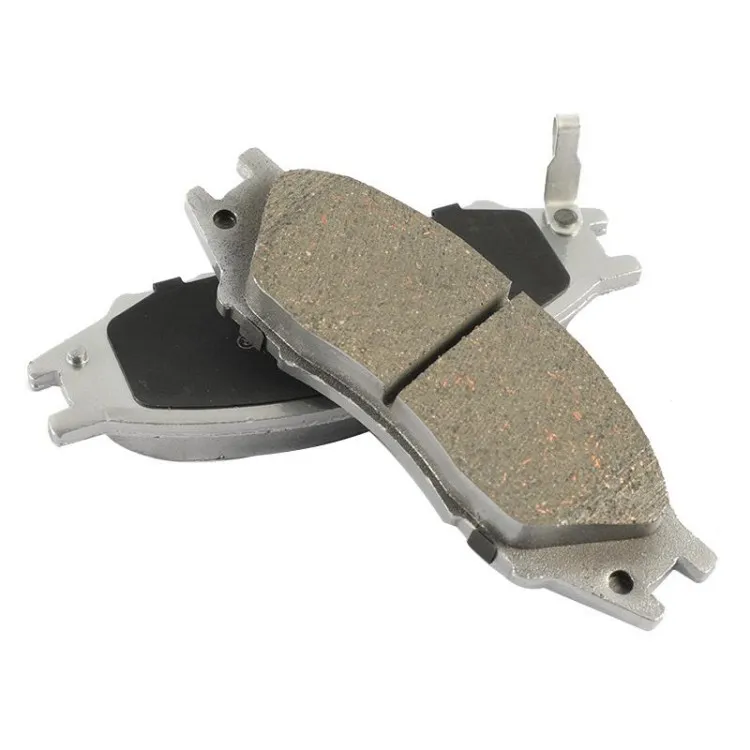
In the global automotive aftermarket, trust isn’t built overnight—it’s earned through compliance, consistency, and confidence in performance. For brake linings—critical components that directly impact safety and vehicle reliability—EMARK certification has become a gold standard for quality assurance across Europe, Asia, and beyond.
Unlike generic certifications, EMARK (European Economic Area Type Approval) requires rigorous testing under real-world conditions: thermal endurance, wear resistance, noise levels, and friction stability at varying temperatures—from -30°C to over 500°C. According to a 2023 study by the European Automotive Aftermarket Association (EAA), vehicles using EMARK-certified brake pads show up to 30% fewer service complaints related to braking efficiency compared to non-certified alternatives.
| Certification Requirement | Impact on Product Quality |
|---|---|
| VCA COP Audit Compliance | Ensures consistent manufacturing processes and traceability |
| Friction Coefficient Stability | Reduces risk of brake fade during heavy-duty use |
| Noise & Dust Emissions Testing | Improves customer satisfaction in urban environments |
The Vehicle Component Approval (VCA) process includes unannounced factory audits—a key differentiator from many other certification systems. These audits verify not just final product specs but also supplier management, material sourcing, and internal quality control procedures. A recent case from Germany showed that suppliers passing VCA COP had 45% fewer product recalls than those without it.
For B2B buyers—especially fleet managers, OEMs, and regional distributors—this level of transparency translates into reduced liability, lower warranty costs, and stronger brand credibility when reselling to end users.
EMARK isn’t just about getting certified—it’s about maintaining standards over time. Companies like Lai Zhou Guanzhuo Trading Co., Ltd. go further by offering technical support teams trained in local regulations and application-specific guidance. Their post-sale service includes:
This kind of support doesn’t just fix problems—it builds loyalty. In a 2024 survey of 200 international buyers, 78% said they’d prefer to work with suppliers who offer proactive technical assistance, even if prices were slightly higher.
Q: Is EMARK certification mandatory for all export markets?
Not universally—but it’s essential for EU entry and highly respected in Middle East, Southeast Asia, and Latin America. Many customs authorities now require proof of conformity before clearing shipments.
Q: Can I get help with documentation for EMARK compliance?
Yes—reputable suppliers provide full documentation packages including test reports, COC (Certificate of Conformity), and batch traceability records.
When you choose EMARK-certified brake linings, you're not just buying parts—you're investing in peace of mind, regulatory compliance, and long-term business growth.
Explore Our EMARK-Certified Brake Linings – Trusted by Global Fleet Operators 136
|
136
|
 brake pad wear assessment brake pad inspection checklist brake pad replacement interval automotive brake system maintenance brake performance degradation
467
|
brake disc warranty period brake disc mileage guarantee passenger car brake disc selection guide B2B brake disc procurement brake disc anti - rust treatment
386
|
brake disc selection guide gray cast iron brake disc material automotive brake disc certification standards anti-corrosion brake disc technology high-performance brake disc for passenger cars
246
|
brake disc adaptability high-precision positioning holes E-mark certification OEM brake disc customization braking system interface compatibility
202
|
brake drum rust prevention commercial vehicle brake system corrosion humid climate brake drum protection brake drum coating vs oil seal anti-corrosion treatment for trucks
brake pad wear assessment brake pad inspection checklist brake pad replacement interval automotive brake system maintenance brake performance degradation
467
|
brake disc warranty period brake disc mileage guarantee passenger car brake disc selection guide B2B brake disc procurement brake disc anti - rust treatment
386
|
brake disc selection guide gray cast iron brake disc material automotive brake disc certification standards anti-corrosion brake disc technology high-performance brake disc for passenger cars
246
|
brake disc adaptability high-precision positioning holes E-mark certification OEM brake disc customization braking system interface compatibility
202
|
brake drum rust prevention commercial vehicle brake system corrosion humid climate brake drum protection brake drum coating vs oil seal anti-corrosion treatment for trucks