.png?x-oss-process=image/resize,h_100,m_lfit/format,webp)
.png?x-oss-process=image/resize,h_100,m_lfit/format,webp)
.png?x-oss-process=image/resize,h_100,m_lfit/format,webp)
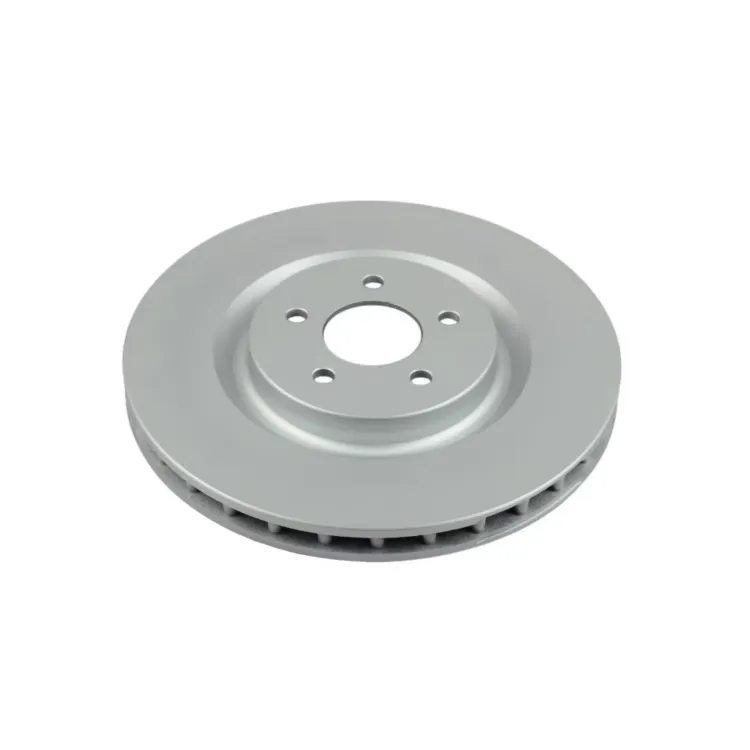
Commercial vehicles operate under high - load conditions on a daily basis. Their brake systems are subjected to frequent and intense braking forces, especially in heavy - haulage and long - distance transportation. This high - load environment can lead to rapid wear of brake discs, reduced braking performance, and even safety hazards. For instance, in mountainous areas where continuous downhill driving is common, the brake discs of commercial vehicles need to withstand extreme heat and friction, which significantly shortens their service life.
High - strength gray cast iron materials such as GG20 and G3000 are widely used in commercial vehicle brake discs. GG20 has a graphite structure that provides good lubrication during braking, reducing friction and wear. It has a relatively high tensile strength of about 200 MPa, which can withstand a certain amount of stress. G3000, on the other hand, has an even higher strength, with a tensile strength of around 300 MPa. This makes it more suitable for heavy - duty commercial vehicles. A hardness comparison table between common materials and GG20/G3000 is as follows:
| Material | Hardness (HB) |
|---|---|
| Common Cast Iron | 150 - 180 |
| GG20 | 180 - 220 |
| G3000 | 220 - 250 |
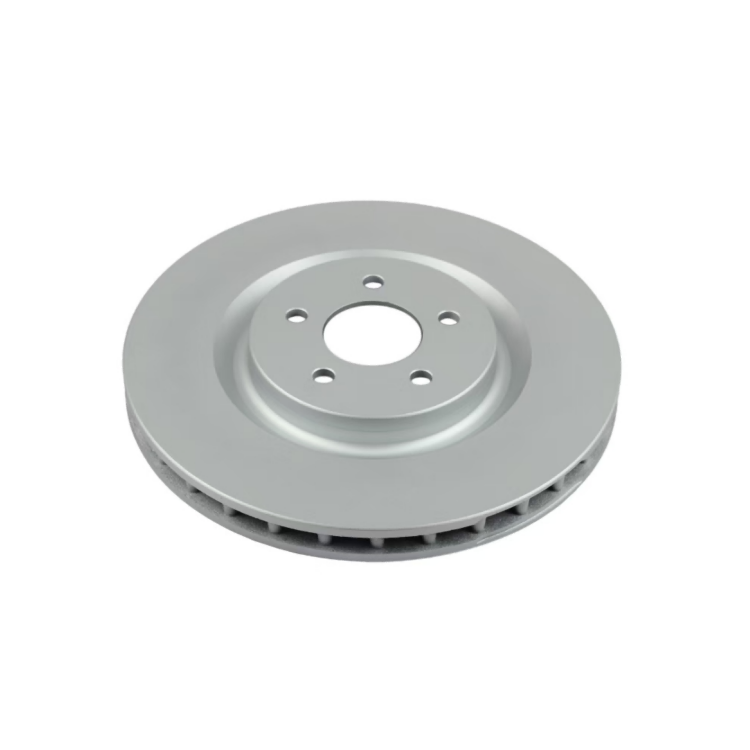
Heat treatment processes play a crucial role in improving the performance of brake discs. Through quenching and tempering, the hardness of the brake disc can be increased by about 20 - 30%. This significantly enhances its wear resistance, allowing it to maintain good performance even under high - temperature and high - pressure conditions. In addition, heat treatment can also improve the anti - thermal衰退 performance of the brake disc. After heat treatment, the anti - thermal衰退 performance can be enhanced by about 25%, ensuring stable braking performance during long - term use. The following is a schematic diagram of the heat treatment process:
Commercial vehicles often operate in harsh environments, such as humid, salty, or dusty areas. To prevent the brake discs from rusting, multiple anti - rust measures are adopted, including oil sealing and painting. Oil sealing forms a protective film on the surface of the brake disc, preventing moisture and oxygen from contacting the metal. Painting further enhances the anti - rust ability. In a salt - spray test, brake discs with oil sealing and painting can withstand corrosion for more than 500 hours, which is much longer than those without anti - rust treatment.
Precision turning and grinding processes ensure the installation accuracy and braking stability of the brake disc. The precision machining can control the dimensional tolerance of the brake disc within ±0.05 mm, ensuring a perfect fit with the brake system. This not only improves the braking efficiency but also reduces vibration and noise during braking, enhancing the driving comfort.
Dynamic balance detection is used to ensure that the brake disc rotates evenly, reducing vibration during braking. The positioning hole design ensures the correct installation position of the brake disc. Through these measures, the vibration of the brake disc can be reduced by about 30%, improving the driving comfort and safety.
Products from Laizhou Guanzuo Trading Co., Ltd. are certified by international standards such as IATF TS16949, EMARK, and VCA COP. These certifications indicate that the products meet strict quality and safety requirements, providing strong credibility for B2B procurement decisions.
By combining these advanced technologies, Laizhou Guanzuo Trading Co., Ltd.'s commercial vehicle brake discs can achieve long - term reliable operation and reduce maintenance costs. If you are interested in our commercial vehicle brake discs and want to learn more about customized solutions, click here to get exclusive technical support now!
 175
|
175
|
 Anti-rust brake discs Brake disc wear resistance High-compatibility brake discs Commercial vehicle brake system upgrade Brake disc anti-corrosion technology
413
|
brake disc installation mistakes locating hole accuracy precision turning machining commercial vehicle brake discs brake vibration and noise troubleshooting
196
|
Commercial vehicle brake pads Semi-metallic brake pads Low-steel brake pads Ceramic brake pads Brake pad certification standards
113
|
brake rotor installation mistakes brake disc machining locating hole accuracy commercial vehicle brake systems brake system failure prevention
439
|
brake rotor installation mistakes precision brake rotor mounting commercial vehicle brake system brake rotor surface finish brake rotor torque specification
Anti-rust brake discs Brake disc wear resistance High-compatibility brake discs Commercial vehicle brake system upgrade Brake disc anti-corrosion technology
413
|
brake disc installation mistakes locating hole accuracy precision turning machining commercial vehicle brake discs brake vibration and noise troubleshooting
196
|
Commercial vehicle brake pads Semi-metallic brake pads Low-steel brake pads Ceramic brake pads Brake pad certification standards
113
|
brake rotor installation mistakes brake disc machining locating hole accuracy commercial vehicle brake systems brake system failure prevention
439
|
brake rotor installation mistakes precision brake rotor mounting commercial vehicle brake system brake rotor surface finish brake rotor torque specification