.png?x-oss-process=image/resize,h_100,m_lfit/format,webp)
.png?x-oss-process=image/resize,h_100,m_lfit/format,webp)
.png?x-oss-process=image/resize,h_100,m_lfit/format,webp)
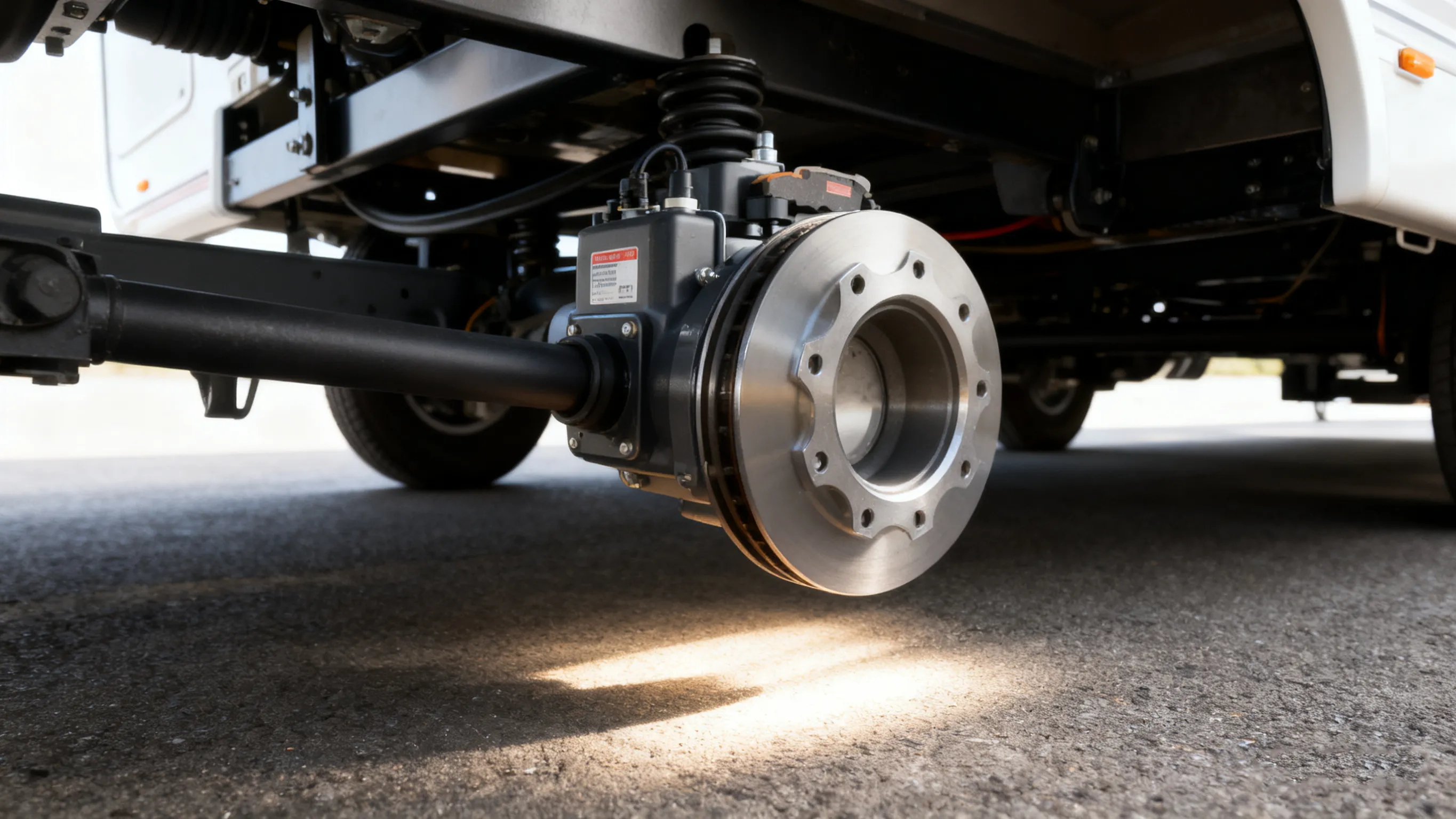
As a fleet manager or automotive maintenance professional, you know that brake system failures can lead to catastrophic consequences - from costly downtime to potential safety incidents. What if I told you that with proper maintenance, you could extend the lifespan of your brake discs by up to 50%? In this comprehensive guide, we'll walk through proven techniques that industry experts have used to maximize brake disc longevity, supported by real-world data and actionable steps.
Many fleet operators overlook the significant financial impact of brake disc replacement. According to a 2023 survey by the Automotive Maintenance Association, commercial vehicle operators spend an average of $450-650 per axle for brake disc replacement, with labor costs accounting for 60-70% of the total expense. For a typical fleet of 50 vehicles, this translates to $45,000-$65,000 in annual brake maintenance costs. By extending brake disc life by 50%, these costs could be reduced to $30,000-$43,333 - a potential savings of $15,000-$21,667 annually.
Industry Insight:
A study by the Commercial Vehicle Safety Alliance found that properly maintained brake systems reduce unscheduled downtime by 34% and decrease accident rates related to brake failure by 42%.
Brake dust isn't just an aesthetic concern - it's a silent killer of brake discs. Composed of iron particles, carbon, and friction materials, this abrasive mixture accelerates wear when left unchecked. The key is to establish a regular cleaning schedule based on vehicle usage:
Use a pH-neutral brake cleaner specifically formulated for automotive use. Avoid high-pressure washing directly on hot brake components, as thermal shock can cause micro-cracking. Instead, allow components to cool to ambient temperature before cleaning.
Regular inspections can identify potential issues before they lead to catastrophic failure. Create a structured inspection protocol that includes:
| Inspection Element | Inspection Method | Acceptable Range | Action Threshold |
|---|---|---|---|
| Disc Thickness Variation | Micrometer measurement at 4 points | < 0.002 inches | > 0.003 inches |
| Minimum Thickness | Calipers or specialized gauge | Above manufacturer's minimum | At or below minimum spec |
| Surface Scoring | Visual inspection & feel test | Minor surface scratches only | Grooves deeper than 0.015 inches |
| Runout | Dial indicator measurement | < 0.003 inches total | > 0.005 inches total |
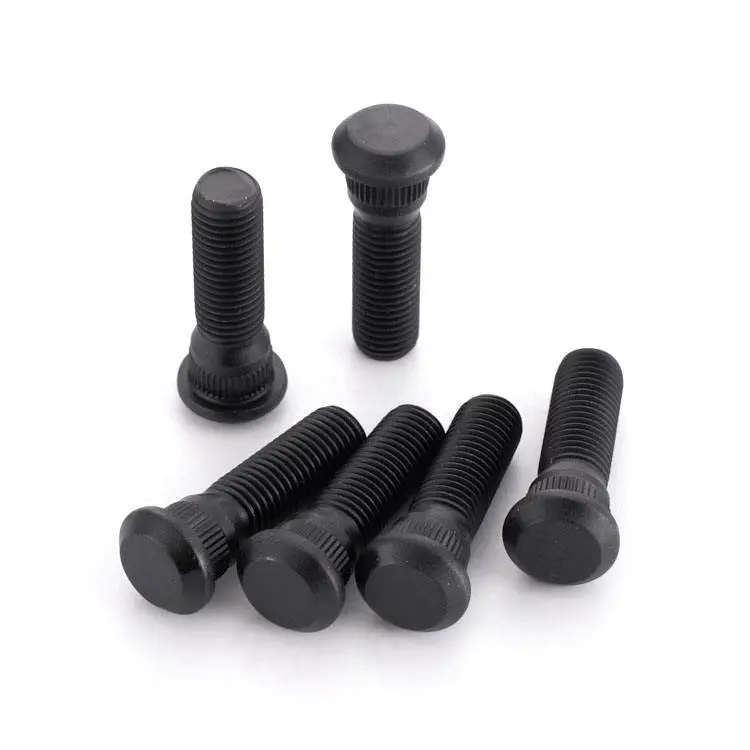
Incorrect wheel bolt torque is a leading cause of brake disc warping and premature failure. A 2022 study by the National Institute for Automotive Service Excellence found that 38% of brake disc replacements were necessary due to improper installation torque.
Always refer to the manufacturer's specifications, but as a general guideline, most commercial vehicles require wheel bolts to be torqued to 110-130 ft-lbs (149-176 Nm) using a calibrated torque wrench. Follow the star pattern when tightening to ensure even pressure distribution across the disc surface.
Pro Tip:
Retorque wheel bolts after the first 50-100 miles of driving following installation. This accounts for any initial settling of components and ensures proper clamping force is maintained.
Winter conditions create a perfect storm for brake disc corrosion, especially in regions using road salt. A study conducted in the Nordic countries found that winter conditions can accelerate brake disc corrosion by up to 300% compared to dry summer conditions.
Consider these protective measures:
Summer heat combined with heavy braking can push brake discs to their thermal limits. During extreme conditions, disc temperatures can exceed 1,200°F (648°C), leading to thermal cracking and warping.
Implement these summer-specific strategies:
Brake disc distortion remains one of the most common maintenance challenges, often misunderstood and misdiagnosed. Let's examine the four primary causes and their prevention:
Even slight contamination or misalignment during installation can lead to uneven pressure distribution and subsequent warping. A study by a leading brake manufacturer found that 43% of "warped" discs were actually victims of improper installation rather than true thermal distortion.
Low-quality or mismatched brake pads with inconsistent hardness can create uneven friction patterns, leading to disc thickness variation. Always use pads that meet or exceed OEM specifications and replace pads on both sides of an axle simultaneously.
Operating vehicles above their GVWR (Gross Vehicle Weight Rating) increases brake system stress by 30-50% depending on the degree of overloading. This extra stress accelerates wear and increases the likelihood of thermal distortion.
Rapid temperature changes - whether from cold water hitting hot discs or extreme ambient temperature fluctuations - create thermal stress that can lead to cracking. This is particularly common in mountainous regions or areas with highly variable weather conditions.
Discover our premium range of corrosion-resistant brake discs featuring advanced electroplating and thermal barrier coatings specifically engineered for commercial vehicle applications.
Explore Our Commercial Brake Disc SolutionsKnowing when to repair and when to replace brake discs can significantly impact your maintenance budget. Resurfacing (lathe turning) can be a cost-effective option when discs are within specification, but it's not always the best choice.
As a general rule, discs can be resurfaced if:
Remember that each resurfacing removes material, reducing the disc's heat capacity and potentially shortening its overall service life. Most brake discs can only be resurfaced once or twice before requiring replacement.
By implementing these maintenance techniques and understanding the factors that affect brake disc longevity, you can significantly reduce your fleet's maintenance costs while improving safety and reliability. The key is consistency - establish a regular maintenance schedule and stick to it, adjusting for seasonal conditions and vehicle usage patterns.
What maintenance challenges have you faced with your brake systems? Have you implemented any unique strategies that have proven effective in extending brake disc life? Your experiences and insights could help other fleet managers optimize their maintenance programs.
 467
|
467
|
 Brake disc adaptability High - precision positioning holes European E - mark certification OEM brake disc customization Brake system interface compatibility design
297
|
brake disc installation mistakes positioning hole accuracy turning process grinding technology thickness consistency
71
|
brake kit selection guide single piece brake caliper dual piece brake caliper brake system compatibility brake installation best practices
73
|
brake disc compatibility solutions commercial vehicle brake discs passenger car brake disc customization high-strength gray cast iron brake discs brake disc international certification
57
|
commercial vehicle brake kit selection brake kit compatibility with hub design caliper layout for trucks brake installation best practices ABS ring kit for commercial vehicles
Brake disc adaptability High - precision positioning holes European E - mark certification OEM brake disc customization Brake system interface compatibility design
297
|
brake disc installation mistakes positioning hole accuracy turning process grinding technology thickness consistency
71
|
brake kit selection guide single piece brake caliper dual piece brake caliper brake system compatibility brake installation best practices
73
|
brake disc compatibility solutions commercial vehicle brake discs passenger car brake disc customization high-strength gray cast iron brake discs brake disc international certification
57
|
commercial vehicle brake kit selection brake kit compatibility with hub design caliper layout for trucks brake installation best practices ABS ring kit for commercial vehicles