.png?x-oss-process=image/resize,h_100,m_lfit/format,webp)
.png?x-oss-process=image/resize,h_100,m_lfit/format,webp)
.png?x-oss-process=image/resize,h_100,m_lfit/format,webp)
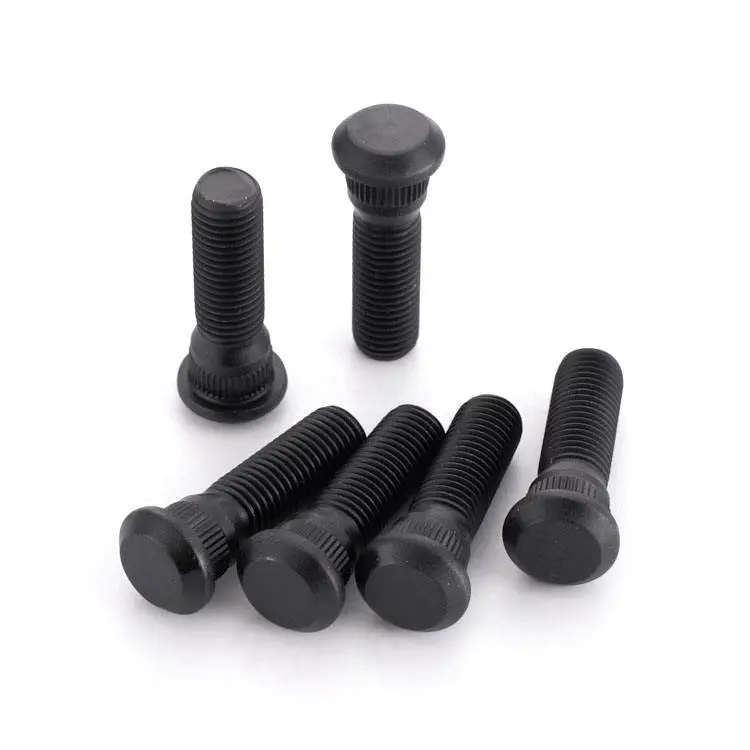
Brake bolts are crucial components in the automotive braking system. They play a vital role in ensuring the stable connection between various parts of the braking system, directly affecting the braking performance and safety of the vehicle. In high - temperature braking conditions, the performance of brake bolts is particularly critical.
In high - temperature environments, ordinary bolts are prone to failure for several reasons. Oxidation is one of the main factors. When exposed to high temperatures, the surface of the bolt will oxidize, which reduces its strength and corrosion resistance. Creep is another issue. Under long - term high - temperature and high - stress conditions, the bolt will gradually deform, leading to a decrease in its pre - tightening force. Fatigue is also a significant problem. Frequent braking causes cyclic stress on the bolt, which may lead to fatigue cracks and eventually bolt failure.
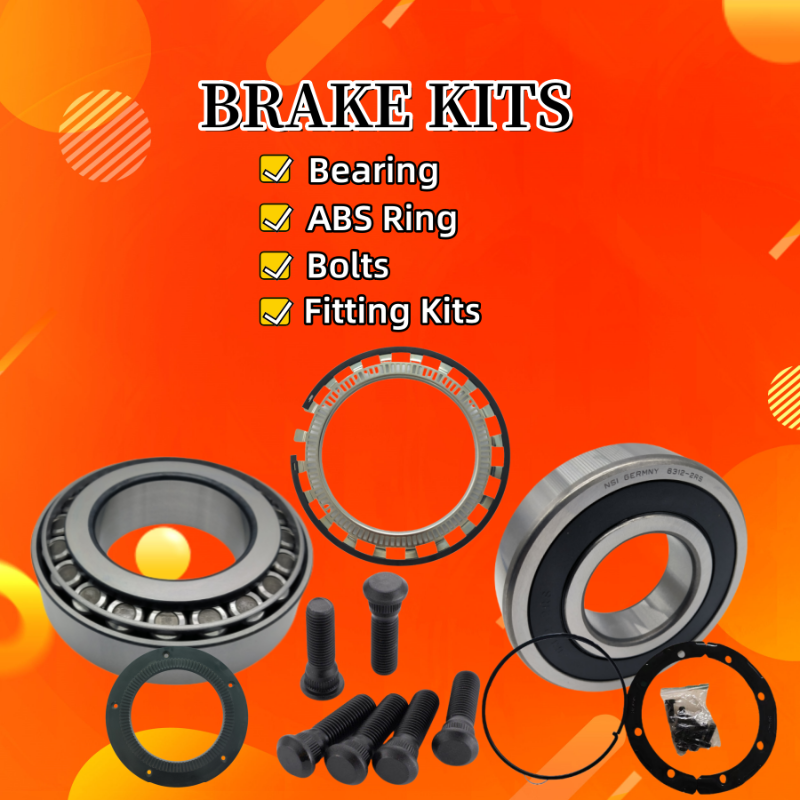
High - performance brake bolts are mainly made of stainless steel and aluminum alloy. Stainless steel has excellent corrosion resistance. It can resist oxidation and corrosion in high - temperature and high - humidity environments, ensuring the long - term stability of the bolt. Aluminum alloy, on the other hand, has the advantage of light weight. It can reduce the overall weight of the braking system without sacrificing strength, which is beneficial for improving vehicle fuel efficiency.
To ensure the thermal stability of high - performance brake bolts, strict size precision control is required. Precise dimensions can ensure the proper fit between the bolt and other components, reducing stress concentration. Surface treatment processes, such as heat treatment and coating, can also improve the thermal stability and corrosion resistance of the bolt.
"High - performance brake bolts need to have excellent thermal stability and corrosion resistance to meet the requirements of high - temperature braking conditions. Our R & D team has been committed to improving the performance of these bolts through continuous research and development." - An automotive engineer
IATF TS16949 is an international automotive quality management system standard. Bolts that meet this standard have strict quality control in the production process, ensuring their reliability and safety. R90 E - mark is a European safety certification for automotive components. It requires that the brake bolts meet specific performance and safety requirements. Products with these two certifications are widely recognized in the global market.
In terms of wear rate, high - performance bolts have a much lower wear rate than ordinary bolts. This means they can maintain their performance for a longer time. In terms of service life, high - performance bolts can last 2 - 3 times longer than ordinary bolts. In terms of safety, high - performance bolts can better withstand high - temperature and high - stress conditions, reducing the risk of brake failure.
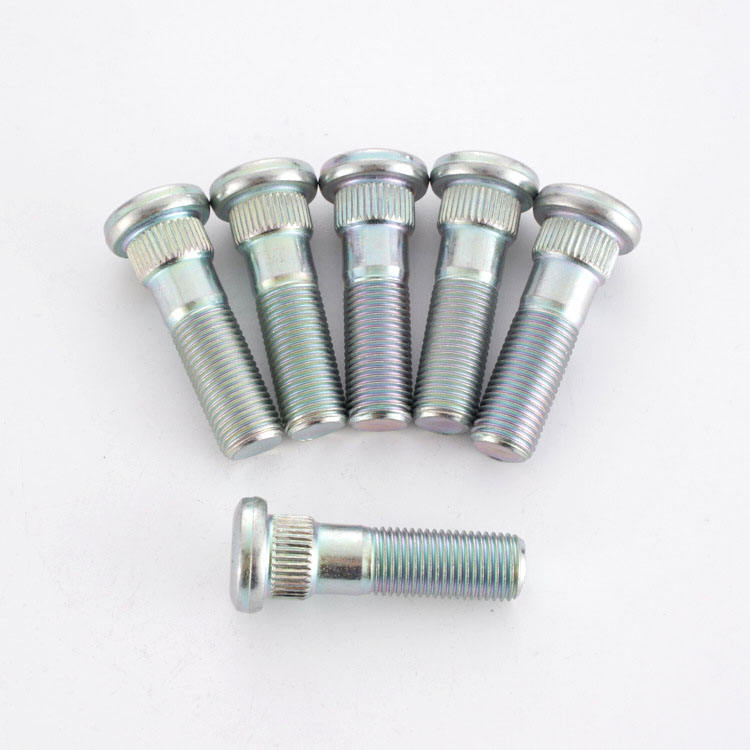
In passenger cars, high - performance brake bolts can improve the braking performance and safety of the vehicle. In commercial vehicles, they can withstand higher loads and more frequent braking, ensuring the reliable operation of the vehicle. In track driving, high - performance bolts can meet the high - intensity braking requirements, providing better control and safety for the driver.
For long - distance transportation and terminal installation, anti - rust packaging technology is very important. Good anti - rust packaging can prevent the bolts from rusting during transportation, ensuring that they are in good condition when installed. This can improve the installation experience and the overall performance of the braking system.
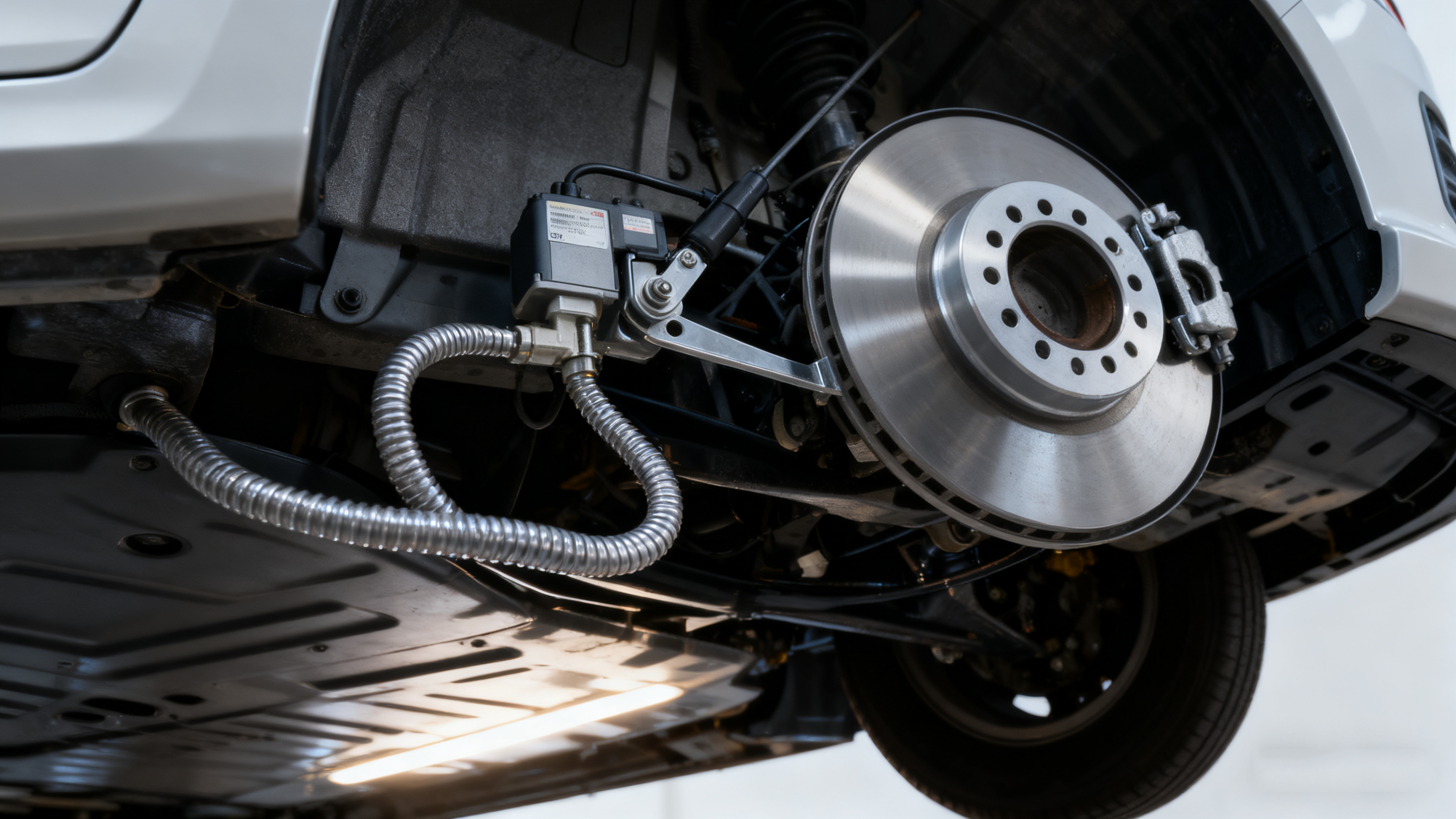
If you want to learn more about high - performance brake bolts and customized solutions, please contact our technical support team.
 298
|
298
|
 brake disc installation mistakes positioning hole accuracy turning process grinding technology thickness consistency
296
|
IATF TS16949 certified brake bolts automotive brake system components corrosion resistant brake fasteners R90 E-mark certification anti-rust packaging technology
121
|
Brake drum anti - rust treatment solutions Brake drum protection in humid areas Anti - corrosion technology for commercial vehicle braking systems High - temperature and high - humidity anti - corrosion in the Middle East Brake drum surface treatment
342
|
Brake kit certification VCA COP audit E-MARK certification Automotive braking system International quality standards
367
|
Brake disc installation misconceptions Positioning hole accuracy Turning processing Brake disc turning process Commercial vehicle brake discs
brake disc installation mistakes positioning hole accuracy turning process grinding technology thickness consistency
296
|
IATF TS16949 certified brake bolts automotive brake system components corrosion resistant brake fasteners R90 E-mark certification anti-rust packaging technology
121
|
Brake drum anti - rust treatment solutions Brake drum protection in humid areas Anti - corrosion technology for commercial vehicle braking systems High - temperature and high - humidity anti - corrosion in the Middle East Brake drum surface treatment
342
|
Brake kit certification VCA COP audit E-MARK certification Automotive braking system International quality standards
367
|
Brake disc installation misconceptions Positioning hole accuracy Turning processing Brake disc turning process Commercial vehicle brake discs