.png?x-oss-process=image/resize,h_100,m_lfit/format,webp)
.png?x-oss-process=image/resize,h_100,m_lfit/format,webp)
.png?x-oss-process=image/resize,h_100,m_lfit/format,webp)

For fleet managers, importers, distributors, and automotive parts buyers, “brake lifespan” is not a single number—it is the outcome of heat management, metallurgy, machining accuracy, corrosion protection, and consistent quality control. High-performance brake kits from Laizhou Guanzhuo Trading Co., Ltd. are designed around those variables, with material selection, anti-fade performance, long wear life, and eco-minded friction solutions working together to reduce premature replacement and warranty risk.
In real-world procurement, brake system life is often shortened by a predictable chain reaction: heat buildup causes friction instability, which increases pedal effort and stopping distance; unstable friction accelerates wear; wear and vibration increase noise complaints; corrosion and uneven contact accelerate runout issues. A high-performance brake kit addresses that chain at multiple points rather than “only” increasing pad thickness.
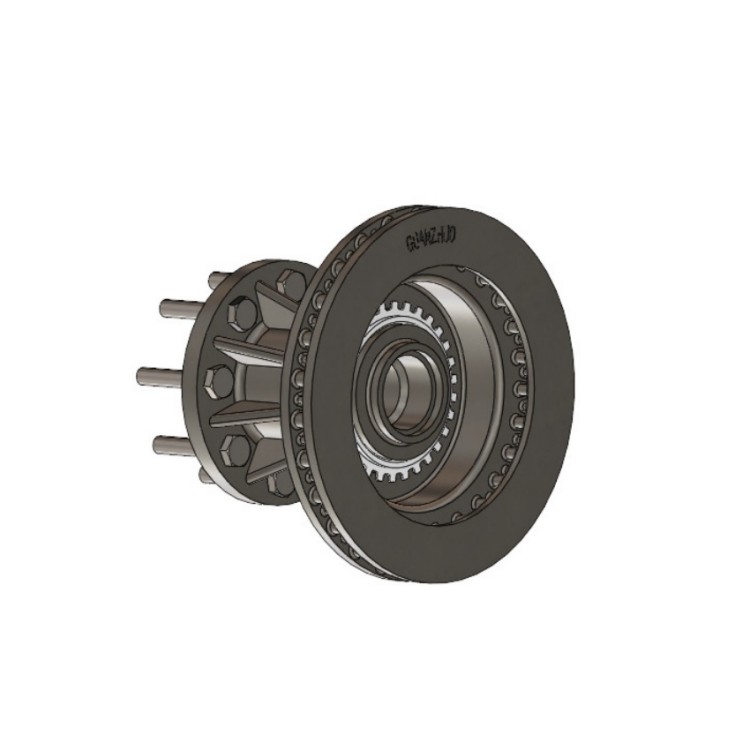
The steel grade and its consistency across batches impacts thermal stability, crack resistance, and surface integrity. For buyers, the practical outcome is fewer heat-related defects (hot spots, micro-cracks) and more predictable service intervals. Laizhou Guanzhuo’s high-performance brake kits emphasize quality steel selection as a foundation for durability and fade resistance.
Under repeated hard stops, rotors and related components can experience localized temperatures that commonly exceed 300–500°C in demanding conditions. When steel stability and manufacturing consistency are weak, friction becomes less predictable and wear accelerates. Premium material control improves resistance to thermal deformation and keeps contact surfaces more stable over time.
Lifecycle outcome ≈ (Material stability) × (Machining accuracy) × (Friction stability) × (Corrosion resistance) × (QC discipline)
If any factor is unstable, overall brake system life drops disproportionately—this is why “single-feature” products often underperform in fleets.
High-precision turning and grinding are not cosmetic. They influence how evenly the friction surfaces mate, how quickly bedding-in stabilizes, and how consistently heat is distributed. Uneven contact often leads to vibration and noise issues, and in severe cases, uneven wear that shortens the service window.
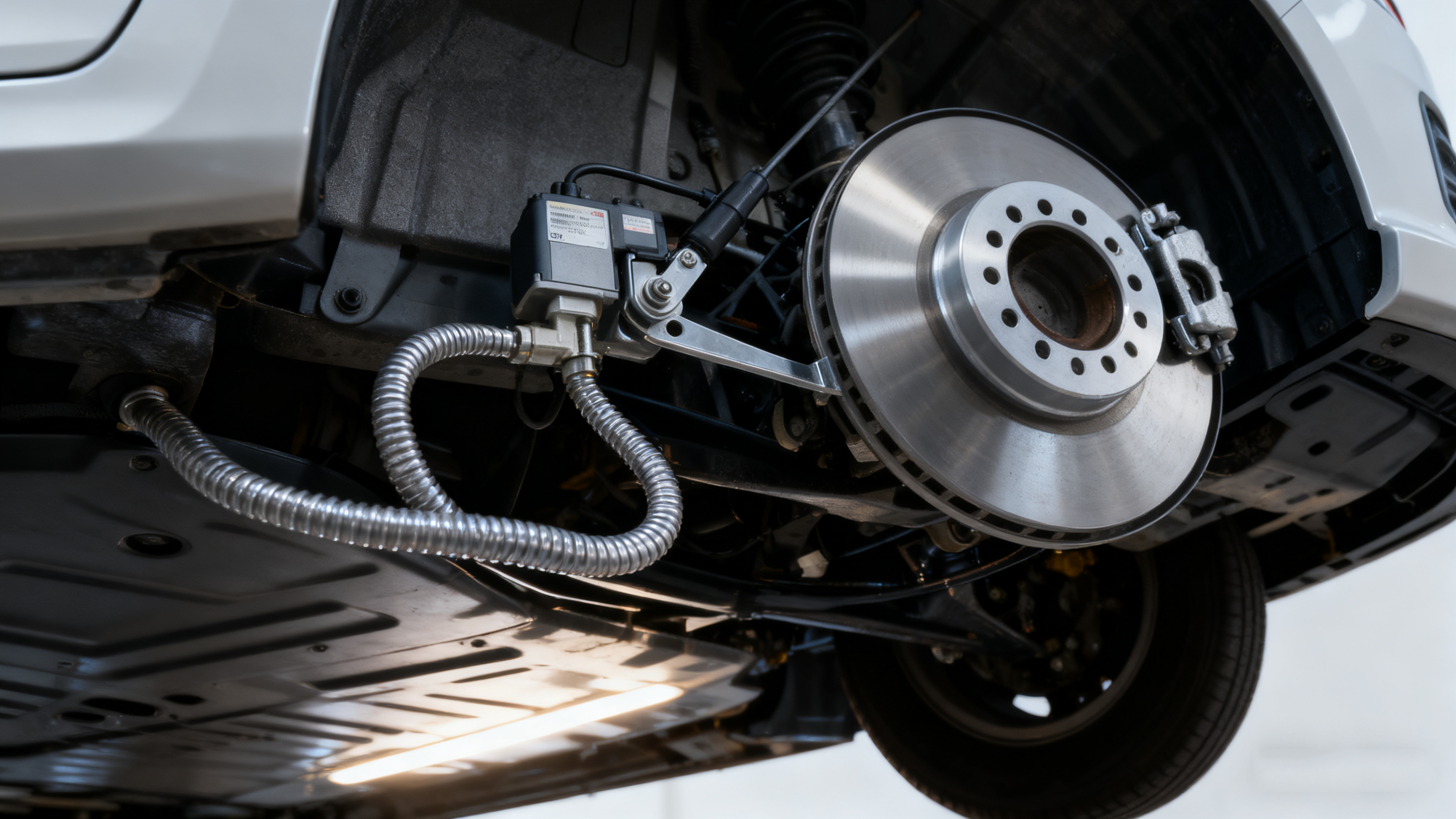
Brake fade typically appears when friction material and the braking surface cannot maintain stable coefficient of friction under repeated heat cycles. Once fade begins, the driver compensates with higher pedal force, braking distances increase, and heat spikes further—accelerating wear and raising the probability of noise and vibration complaints.
High-performance brake kits engineered for fade resistance reduce that spiral by keeping friction behavior steadier across temperature ranges. In procurement terms, that translates into more predictable maintenance planning—especially for commercial vehicles, taxis, and delivery fleets that brake frequently.
Corrosion protection is a lifecycle multiplier—especially for coastal markets, winter-salt regions, and long-storage distribution models. Multi-method anti-rust treatment helps maintain surface integrity and reduces the risk of premature replacement caused by rust-related wear, sticking, or uneven contact.
Environmental performance is becoming a procurement condition, not an optional benefit. Eco-minded friction solutions and cleaner manufacturing expectations help buyers align with tightening regulations and customer requirements—particularly in markets influenced by European compliance trends.
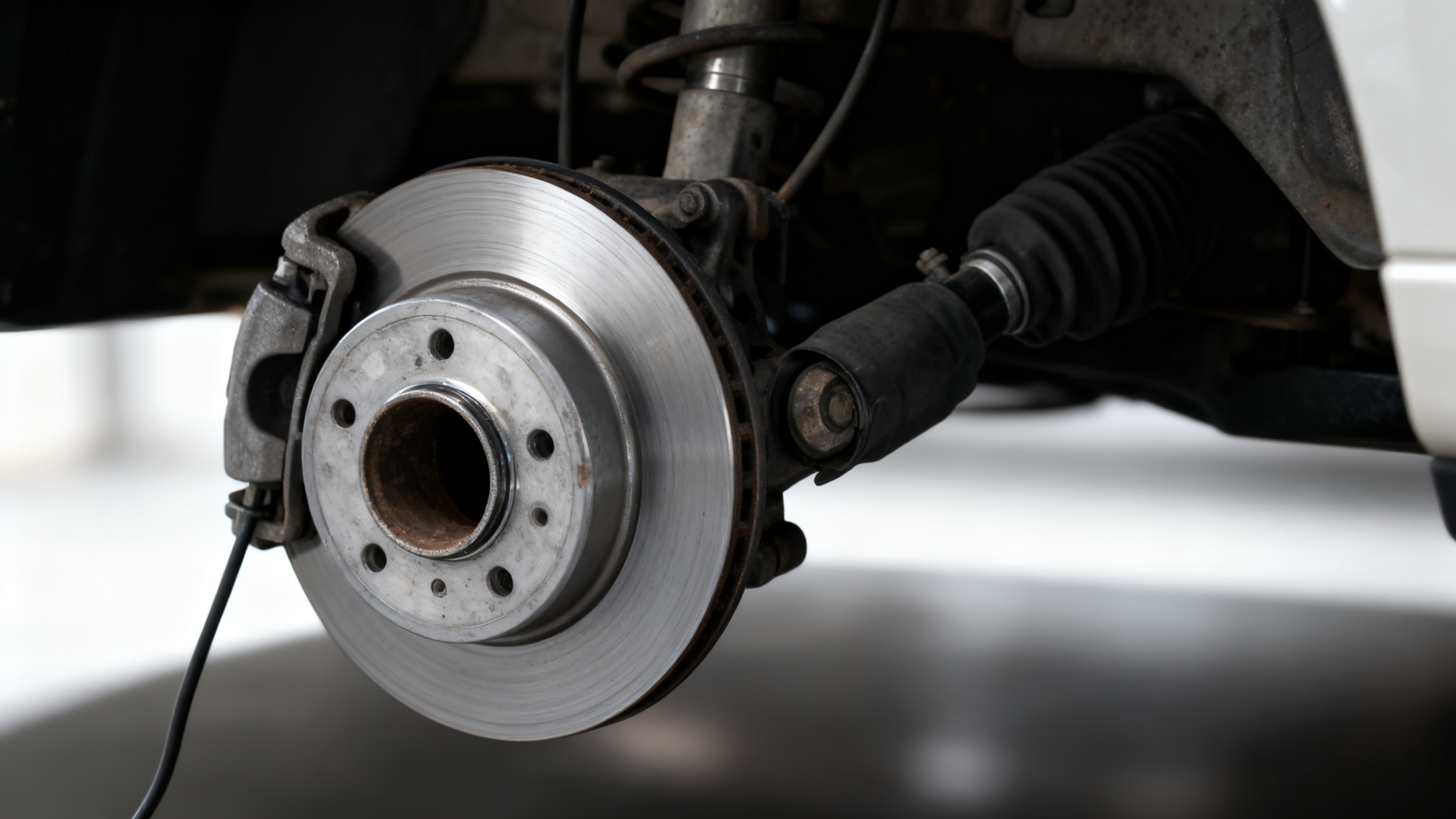
Diverse color and type options are often treated as marketing extras, but they can be a measurable business advantage. In many aftermarket channels, installers and retailers prefer SKUs that match local style preferences, packaging strategies, and positioning (OE-like vs. performance-oriented).
For distributors, broader selection supports tiered product strategy—helping cover multiple customer segments without switching suppliers. For e-commerce and B2B catalogs, clear variations improve conversion rates by letting buyers choose the closest match to their vehicle profile and intended usage.
Certifications are not only about passing audits—they function as procurement risk controls. IATF 16949 aligns with disciplined automotive quality management practices, reducing variability and strengthening traceability. R90 E-mark recognition (where applicable) signals that braking performance meets defined regulatory benchmarks and supports market access, especially for buyers serving compliance-sensitive regions.
In market observations across aftermarket channels, demand growth for high-performance brake kits is most visible in three scenarios: high-frequency braking (delivery/ride-hailing), heat-intensive driving (hilly regions, towing), and quality-driven retail (shops selling “quiet, stable, long-life” solutions).
A regional delivery fleet shifting from basic brake parts to a higher-performance brake kit often reports fewer early-life issues such as noise complaints and uneven wear. In many real procurement reviews, the most valued improvement is not “maximum stopping power,” but consistency under repeated stops—because stable braking reduces unplanned workshop visits.
The most practical approach is to request documented quality routines (incoming material control, in-process checks, final inspection) and align on test documentation that reflects repeated heat-cycle conditions. Buyers can also standardize acceptance based on stable friction behavior indicators and production traceability.
In most aftermarket scenarios, finish options are chosen for corrosion protection, visual differentiation, and channel preferences. Performance should remain tied to the core material, machining accuracy, and friction system design—buyers can request consistent specs across variants.
IATF 16949 supports structured automotive quality management expectations. R90 E-mark recognition can strengthen acceptance in markets where braking compliance is closely checked. Buyers should confirm the scope of certification and documentation availability during supplier qualification.
For importers, distributors, and fleet procurement teams: request a fitment check, certification documents, and a practical trial plan. Laizhou Guanzhuo’s team supports pre-sales technical alignment and after-sales response to help reduce sourcing uncertainty.
Buyers and marketers are invited to share route conditions (urban stop-and-go, mountainous heat cycles, coastal corrosion), target warranty rate, and preferred certification set. The more precise the scenario, the more actionable the technical matching can be.
 291
|
291
|
 brake disc installation mistakes positioning hole accuracy turning technology brake disc flatness commercial vehicle brake system
296
|
IATF TS16949 certified brake bolts automotive brake system components corrosion resistant brake fasteners R90 E-mark certification anti-rust packaging technology
253
|
brake disc quality control automotive brake disc manufacturing Laizhou Guanzhuo brake discs high precision brake discs brake disc testing process
283
|
IATF TS16949 certified brake drums R90 E-mark brake drum compliance brake drum performance testing automotive brake drum quality standards brake drum manufacturing process
426
|
brake hub quality management IATF TS16949 certification automotive supply chain control brake system components automotive parts manufacturing
brake disc installation mistakes positioning hole accuracy turning technology brake disc flatness commercial vehicle brake system
296
|
IATF TS16949 certified brake bolts automotive brake system components corrosion resistant brake fasteners R90 E-mark certification anti-rust packaging technology
253
|
brake disc quality control automotive brake disc manufacturing Laizhou Guanzhuo brake discs high precision brake discs brake disc testing process
283
|
IATF TS16949 certified brake drums R90 E-mark brake drum compliance brake drum performance testing automotive brake drum quality standards brake drum manufacturing process
426
|
brake hub quality management IATF TS16949 certification automotive supply chain control brake system components automotive parts manufacturing