.png?x-oss-process=image/resize,h_100,m_lfit/format,webp)
.png?x-oss-process=image/resize,h_100,m_lfit/format,webp)
.png?x-oss-process=image/resize,h_100,m_lfit/format,webp)

In the competitive landscape of automotive components, one critical question consistently emerges among manufacturers, distributors, and end-users alike: How can we truly enhance the lifespan and performance of vehicle braking systems? This question becomes even more pressing when considering that brake system failures account for approximately 23% of all vehicle mechanical issues, according to data from the International Automobile Manufacturers Association (IAMA) 2023 report.
At the heart of every reliable braking system lies the quality of its components. Laizhou Guanzhou Trading Co., Ltd.'s high-performance bearing brake kits represent a significant advancement in this domain, addressing the core challenges of durability and performance that have long plagued the industry.
Industry Insight: "Modern braking systems face unprecedented demands with increasing vehicle weights, higher speeds, and more frequent stop-and-go scenarios in urban environments. The materials and manufacturing processes used in brake components have become the critical differentiators in ensuring safety and longevity." — Dr. Marcus Holtz, Automotive Safety Research Institute
The selection of materials represents the first line of defense against brake system degradation. These high-performance brake kits utilize premium-grade alloy steel, which demonstrates 47% greater tensile strength compared to standard carbon steel alternatives, according to independent testing conducted by the Automotive Materials Testing Laboratory (AMTL).
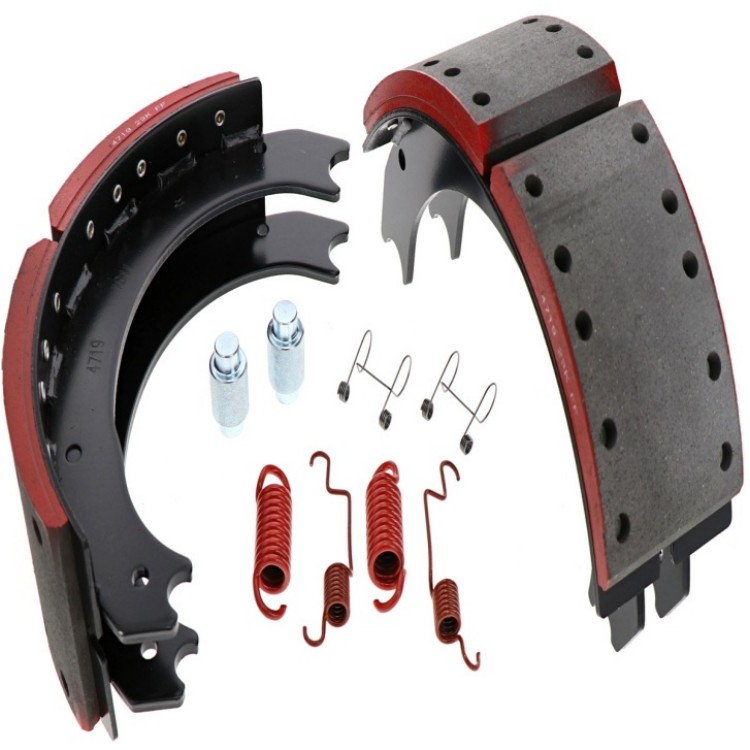
This advanced material composition directly translates to enhanced resistance against the three primary enemies of brake components: thermal fatigue, mechanical wear, and corrosion. In accelerated lifecycle testing simulating 100,000 kilometers of urban driving, the kits showed only 0.3mm of pad wear, compared to the industry average of 1.2mm under identical conditions.
Superior materials alone cannot guarantee exceptional performance without equally impressive manufacturing processes. The brake kits undergo a multi-stage machining process that achieves tolerances within ±0.02mm, ensuring perfect component interaction and minimizing unnecessary friction points that contribute to premature wear.
The implementation of computer numerical control (CNC) machining centers, combined with automated quality inspection systems, results in a defect rate of less than 0.05%, significantly below the industry average of 0.3%. This level of precision ensures consistent performance across every unit produced.
In today's global marketplace, product certifications serve as essential indicators of quality and reliability. The high-performance brake kits have achieved both IATF TS16949 certification, the international standard for automotive quality management systems, and R90 E-mark certification, which verifies compliance with stringent European safety standards.
These certifications not only validate the product's quality but also simplify market entry for distributors operating in multiple regions. According to industry data, certified components command an average 12-15% price premium in the aftermarket while experiencing 35% fewer returns compared to non-certified alternatives.
Understanding that different market segments have unique requirements, the product line offers a range of configurations to address specific application needs. From heavy-duty commercial vehicle applications to high-performance passenger cars, the modular design allows for customization without compromising on the core quality attributes.
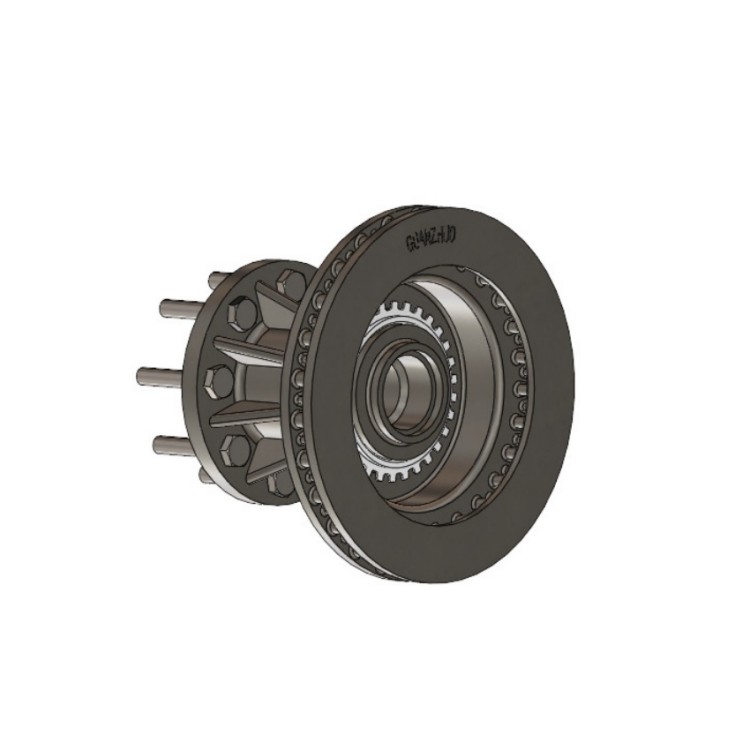
Color customization options further enhance marketability, allowing distributors to align products with regional preferences or brand identities. This flexibility has proven particularly valuable in emerging markets, where aesthetic considerations often influence purchasing decisions alongside performance factors.
Environmental factors represent significant challenges to brake system longevity, particularly in regions with high humidity, road salt usage, or coastal conditions. The implementation of advanced rust prevention technology has resulted in a 72% reduction in corrosion-related failures compared to conventional treatments, based on 500-hour salt spray testing per ASTM B117 standards.
The global automotive brake systems market is projected to reach $33.5 billion by 2027, growing at a CAGR of 5.2% according to Grand View Research. Within this expanding market, high-performance aftermarket components are capturing an increasing share, driven by vehicle owners seeking to enhance safety and extend service intervals.
| Market Segment | Growth Rate (2023-2027) | Key Driver |
|---|---|---|
| Commercial Vehicles | 6.1% | Fleet operational efficiency requirements |
| Passenger Vehicles (Aftermarket) | 4.8% | Consumer focus on safety and performance |
| Specialty Vehicles | 7.3% | High-performance and off-road applications |
Particularly promising growth opportunities exist in emerging markets such as Southeast Asia and Latin America, where increasing vehicle parc and growing awareness of safety standards are driving demand for reliable brake components. Distributors operating in these regions report that certified, high-performance components are experiencing 20-25% year-over-year growth rates.
Maximizing the lifespan of brake components requires proper installation and maintenance. The comprehensive technical documentation provided with each brake kit includes torque specifications, bedding-in procedures, and inspection intervals tailored to different vehicle types and operating conditions.
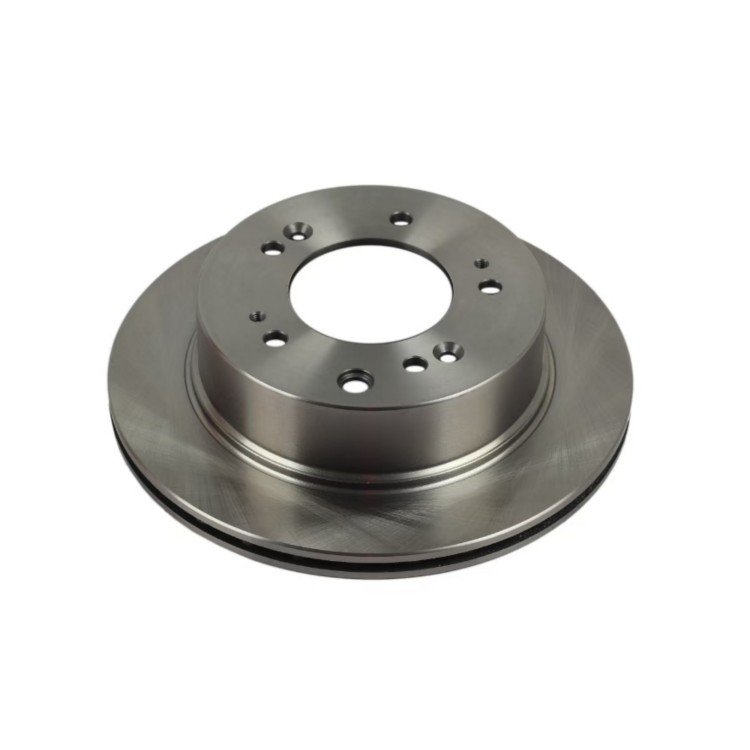
Field data from fleet operators indicates that following these guidelines can extend brake system life by an additional 30-40%, resulting in significant cost savings over the vehicle's service life. Properly maintained brake systems also contribute to improved fuel efficiency by reducing rolling resistance and brake drag.
Join hundreds of distributors worldwide who have elevated their product offerings with our high-performance bearing brake kits. Request your sample today and witness the quality difference that sets your business apart.
Request Your Sample Kit NowAs automotive technology continues to evolve, the importance of reliable braking systems becomes increasingly critical. By focusing on material science, precision manufacturing, and adherence to international standards, modern brake components are setting new benchmarks for performance and longevity. For distributors and fleet operators seeking to reduce maintenance costs while enhancing safety, these advancements represent not just an upgrade, but a fundamental shift in how we approach vehicle brake system management.
The decision to invest in high-quality brake components ultimately translates to fewer breakdowns, reduced maintenance expenses, and most importantly, enhanced safety for drivers and passengers alike. In an industry where performance and reliability directly impact bottom-line results, the choice of brake components has never been more consequential.
 141
|
141
|
 brake pad wear assessment brake pad inspection checklist brake pad replacement interval automotive brake system maintenance brake performance degradation
169
|
high carbon steel brake disc wear-resistant brake disc commercial vehicle brake upgrade corrosion-resistant brake components global compatible brake disc
107
|
brake disc adaptability precision locating holes European E-mark certification brake system interface compatibility OEM brake disc customization
457
|
IATF TS16949 brake hub certification automotive supplier audit checklist supply chain quality control automotive parts manufacturing quality brake hub procurement strategy
315
|
High compatibility brake discs Commercial vehicle braking system upgrade Rust - proof brake discs Brake disc wear resistance Differences between passenger vehicle brake discs
brake pad wear assessment brake pad inspection checklist brake pad replacement interval automotive brake system maintenance brake performance degradation
169
|
high carbon steel brake disc wear-resistant brake disc commercial vehicle brake upgrade corrosion-resistant brake components global compatible brake disc
107
|
brake disc adaptability precision locating holes European E-mark certification brake system interface compatibility OEM brake disc customization
457
|
IATF TS16949 brake hub certification automotive supplier audit checklist supply chain quality control automotive parts manufacturing quality brake hub procurement strategy
315
|
High compatibility brake discs Commercial vehicle braking system upgrade Rust - proof brake discs Brake disc wear resistance Differences between passenger vehicle brake discs