.png?x-oss-process=image/resize,h_100,m_lfit/format,webp)
.png?x-oss-process=image/resize,h_100,m_lfit/format,webp)
.png?x-oss-process=image/resize,h_100,m_lfit/format,webp)

High-Performance Brake Kits: The Practical Engineering Behind Longer Brake System Life
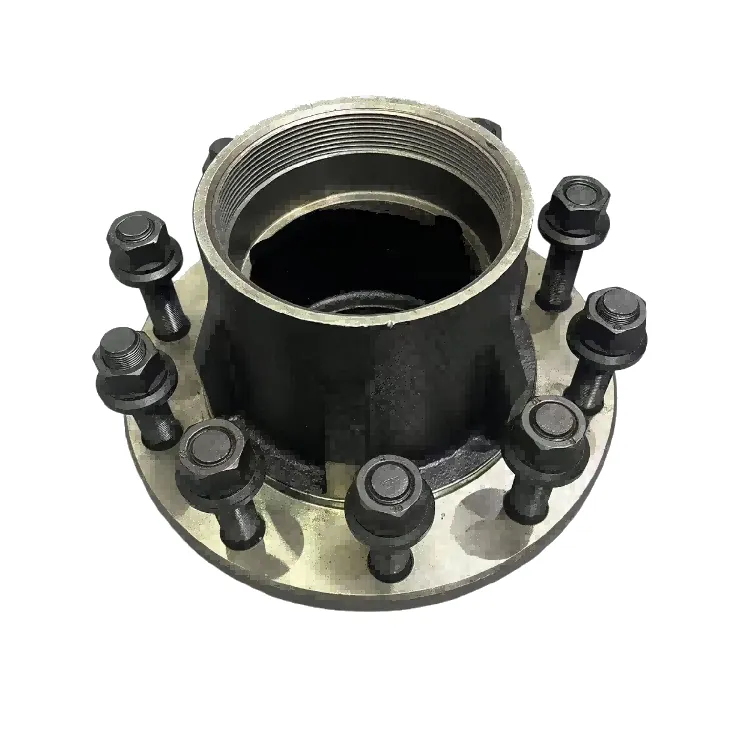
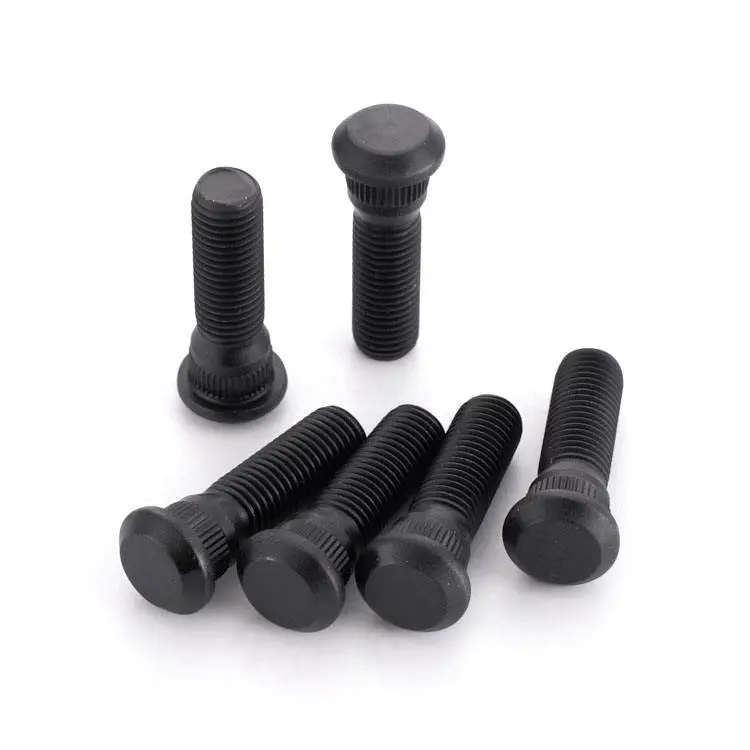
In global aftermarket and OEM-adjacent sourcing, brake durability is no longer “nice to have.” It is an operational KPI tied to fleet uptime, warranty exposure, and brand reputation. A high-performance bearing & brake kit earns its value by controlling heat, wear, and corrosion—consistently, and at scale.
Why Brake Lifespan Really Ends: Heat, Micro-Variation, and Hidden Corrosion
Brake systems rarely “fail suddenly” without a chain of physical causes. In most real-world cases, shortened service life comes from a combination of thermal stress (fade and cracking), uneven contact due to micro-tolerances, and corrosion at mating surfaces that accelerates wear. For buyers comparing suppliers, the most telling question is not only what material is used, but how repeatable the process is across batches.
Industry field observations frequently show that stop-and-go urban driving and light commercial duty generate higher thermal cycling than steady highway usage. In mixed conditions, it is common to see rotor/pad wear rates increase by 15–35% compared with predominantly highway routes, driven by repeated heating and cooling. That is why anti-fade design and machining stability matter even when the vehicle is “not performance-oriented.”
1) Anti-Fade Performance Starts with Material Science (Not Marketing)
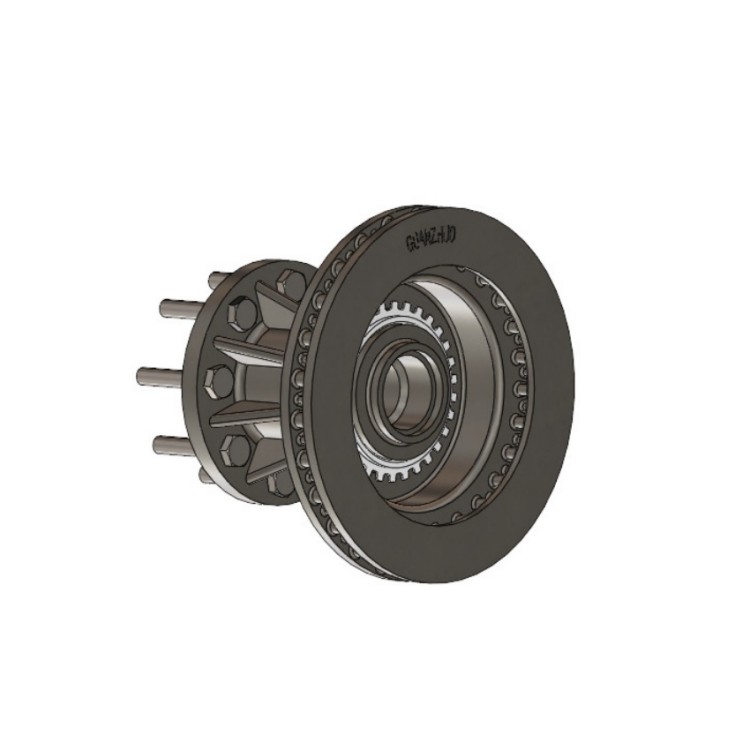
“Brake fade” is often described as a driver feel issue, but in procurement terms it is a heat-management problem with direct implications for wear, noise, and warranty returns. A high-performance brake kit typically builds anti-fade resilience through three practical levers: stable steel chemistry, controlled surface condition, and consistent hardness profiles.
Steel selection: stability under thermal cycling
Premium-grade steel with controlled impurities (especially sulfur and phosphorus) helps reduce the risk of hot spots and micro-cracking under repeated thermal load. In industrial benchmarking, improved metallurgy and process control can reduce heat-check initiation rates by 20–40% in demanding duty cycles, particularly when combined with proper finishing. For sourcing teams, requesting material certificates and heat-treatment traceability is a practical way to separate “claims” from measurable quality.
Surface treatment: friction stability and corrosion resistance
Surface condition influences how consistently a braking interface beds-in. A controlled surface finish can reduce early-stage vibration and uneven wear, helping maintain predictable performance. Meanwhile, anti-corrosion coatings protect non-friction surfaces and edges where rust often creeps in and starts a slow chain reaction of roughness, squeal, and accelerated wear. In coastal or winter-salt environments, corrosion-resistant finishing can extend “clean contact” time by months—often the difference between a normal service interval and premature replacement.
2) Precision Turning & Grinding: The Quiet Factor Behind Longer Life
High-precision turning and grinding are not cosmetic upgrades. They control micro-variation that affects contact uniformity, heat distribution, and bearing alignment. When tolerances drift, the system works harder to produce the same braking force—creating extra heat and uneven wear patterns.
Information Chart: Service Life Impact Factors (Reference Ranges)
*Reference ranges based on common aftermarket/OE-adjacent comparisons in mixed duty cycles; actual results depend on vehicle, driving conditions, and maintenance practices.
For decision-makers, the business case is straightforward: tighter manufacturing consistency reduces dispersion in performance. Less dispersion means fewer exceptions—fewer returns, fewer complaints, and less brand damage. In B2B terms, that is margin protection.
3) Environmental Compliance: A Supply Chain Advantage, Not a Checkbox
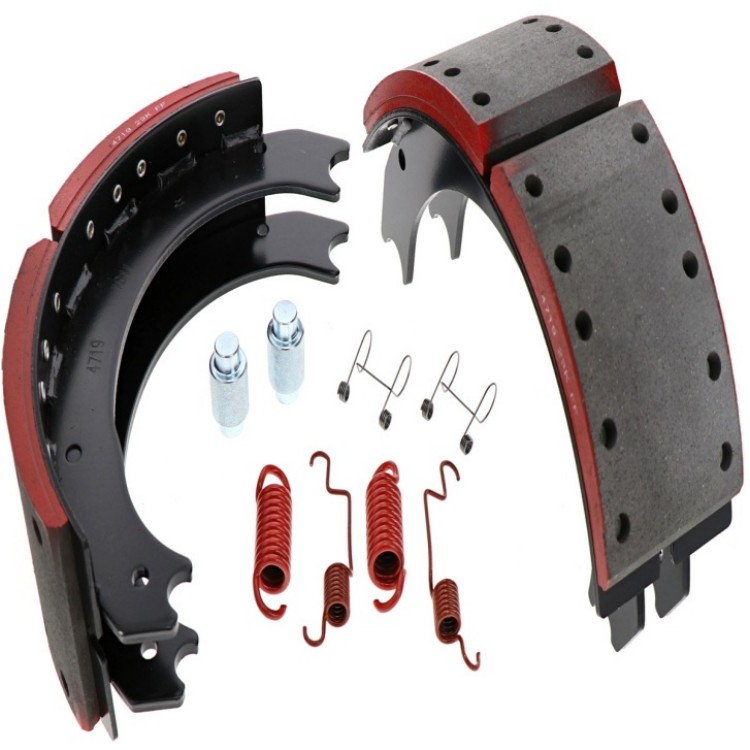
Buyers increasingly evaluate brake kits through an environmental compliance lens—especially in markets where product stewardship and chemical restrictions are actively enforced. Processes such as lead-free coatings and lower-emission finishing are not only about “being green”; they reduce the risk of shipment holds, re-testing costs, and customer audits.
In mature markets, supplier selection frequently includes documentation readiness: coating declarations, process control records, and batch traceability. A manufacturer that treats compliance as part of production discipline typically delivers better consistency overall—because the same management system that controls emissions also controls variation.
4) Multi-Color & Multi-Type Fitment: Small Design Choices, Big Commercial Impact
The most overlooked reason high-performance brake kits sell faster is simple: they are easier to specify, stock, and differentiate. Multi-type compatibility supports broader vehicle coverage, while multi-color options can support brand identity, SKU segmentation, and faster visual inspection in workshops.
For distributors and private-label programs, appearance is not just aesthetics. Color can reduce picking errors, streamline workshop workflow, and strengthen perceived value on the shelf. On the engineering side, fitment depth—correct dimensions, correct mating surfaces, correct packaging protection—helps reduce installation rework, which is a hidden cost in every supply chain.
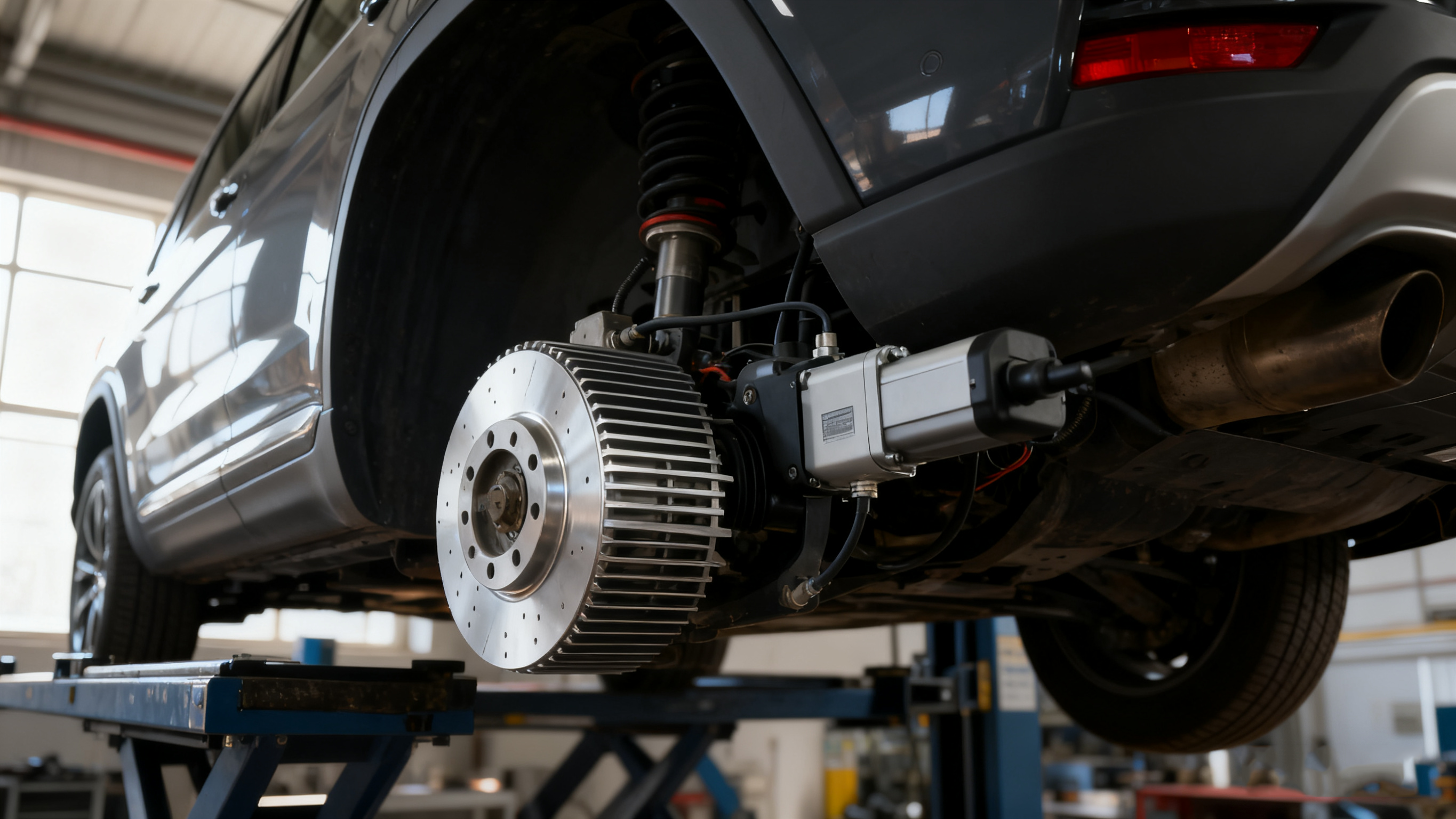
5) What the Market Is Signaling: Performance + Compliance + Consistency
Global demand for higher-grade braking components continues to rise, pushed by heavier vehicle loads, more urban driving, and stricter regulatory expectations. In multiple aftermarket reports, the broader brake components segment is often cited with a steady growth trajectory, commonly in the range of 4–7% CAGR over recent planning horizons, with premium and certified replacement parts outperforming commodity tiers in many regions.
For procurement teams, the purchasing logic is shifting from unit cost to cost of service life. A brake kit that lasts longer, performs consistently, and passes audits with less friction is often the faster path to lower total cost—especially when scaled across fleets, dealer networks, or export channels.
Buyer Checklist: What to Ask Before You Place a Trial Order
- Which steel grade is used, and can the supplier provide material certification and batch traceability?
- What are the key machining controls (turning/grinding) to keep tolerances stable across production?
- Which coating system is applied, and is it lead-free / low-emission compliant for your target market?
- Which vehicle models and fitment types are covered, and what is the validation method?
- Can the supplier support IATF 16949 documentation and ECE R90 evidence where required?
Ready to Validate Performance with a Trial Batch?
Get fitment confirmation, certification details, and a clear technical comparison for your target market. A fast sample cycle often saves weeks of back-and-forth and reduces sourcing risk.
Request a High-Performance Bearing & Brake Kit Sample or Book 1-on-1 Technical Q&ATypical response time: 24–48 hours on weekdays (technical drawings and vehicle list recommended).