.png?x-oss-process=image/resize,h_100,m_lfit/format,webp)
.png?x-oss-process=image/resize,h_100,m_lfit/format,webp)
.png?x-oss-process=image/resize,h_100,m_lfit/format,webp)
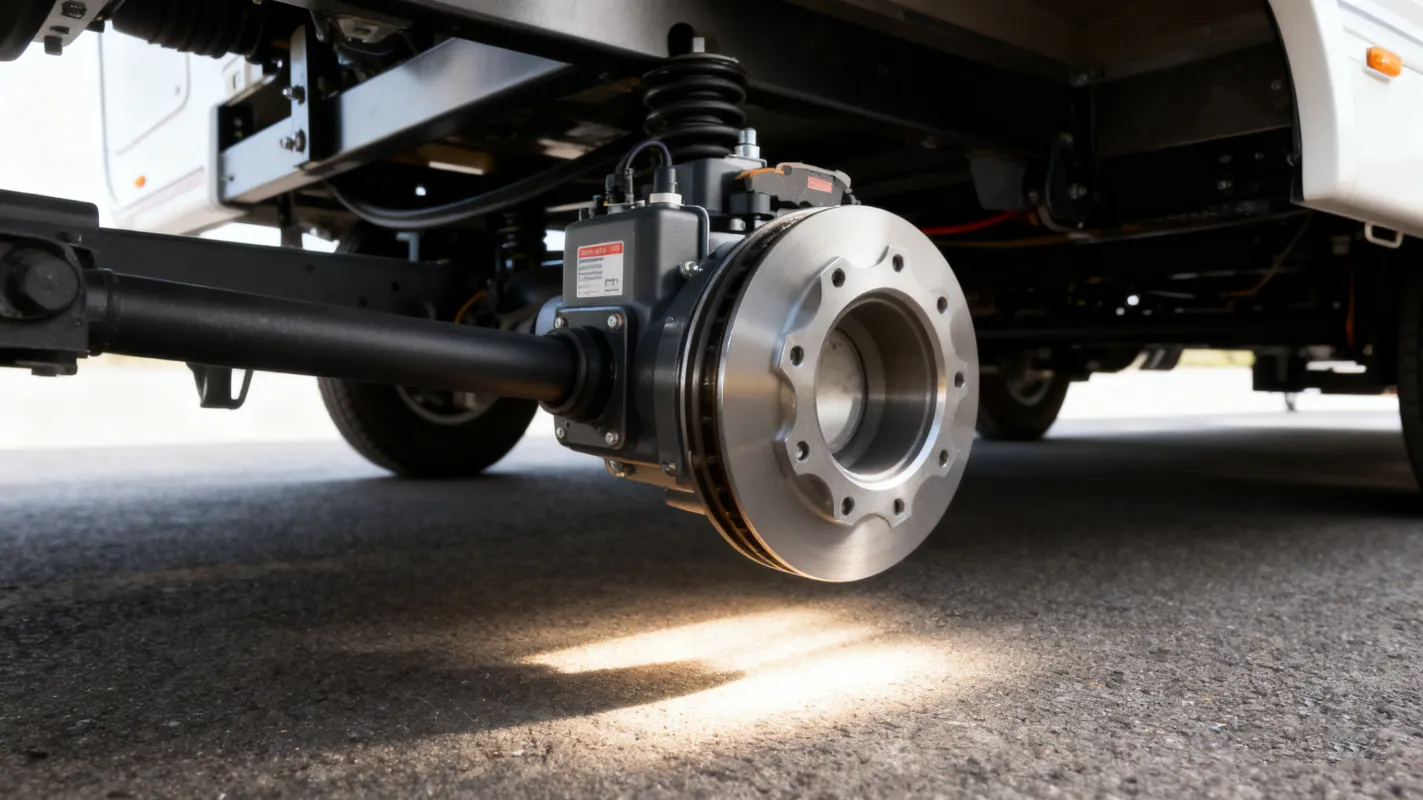
In the automotive industry, brake discs are crucial safety components. High-performance wear-resistant and rustproof brake discs have stood out by obtaining global certifications. This article delves into the IATF TS16949 and R90 E-mark standards, exploring how they ensure the quality and reliability of these brake discs.
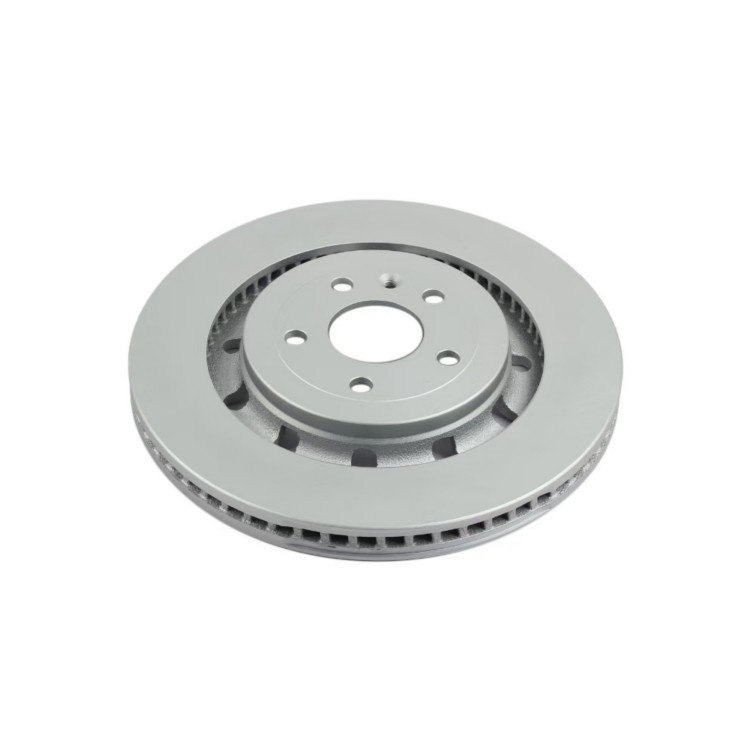
IATF TS16949 is an international automotive quality management system standard. It sets strict requirements for the entire process of brake disc manufacturing, from raw material procurement to product delivery. This includes supplier management, production process control, and product quality inspection. R90 E-mark, on the other hand, is a European Union safety certification for automotive parts. It focuses on the safety and performance of brake discs, such as braking efficiency, wear resistance, and thermal stability.
"The IATF TS16949 standard emphasizes continuous improvement and defect prevention in the automotive supply chain, ensuring that products meet high - quality standards." - Automotive Quality Management Expert
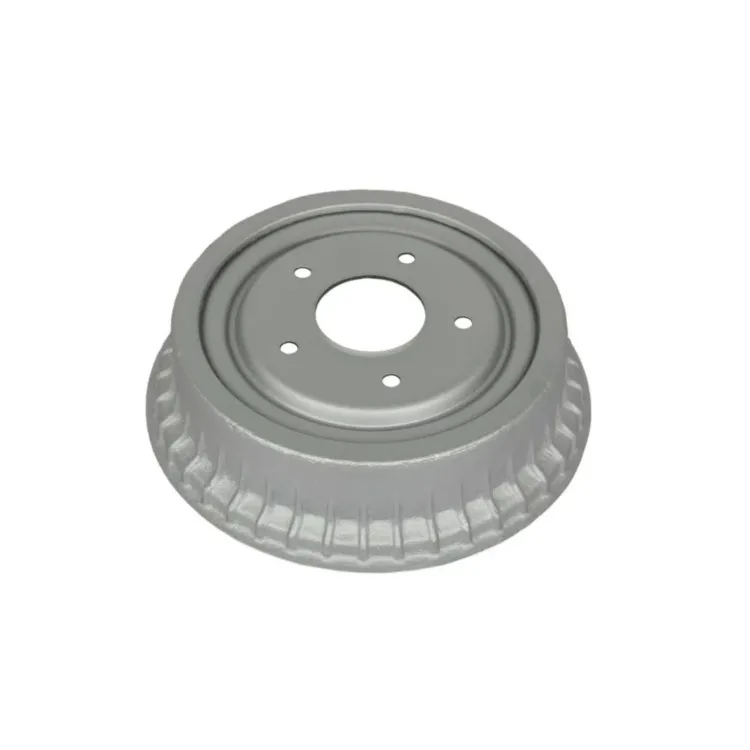
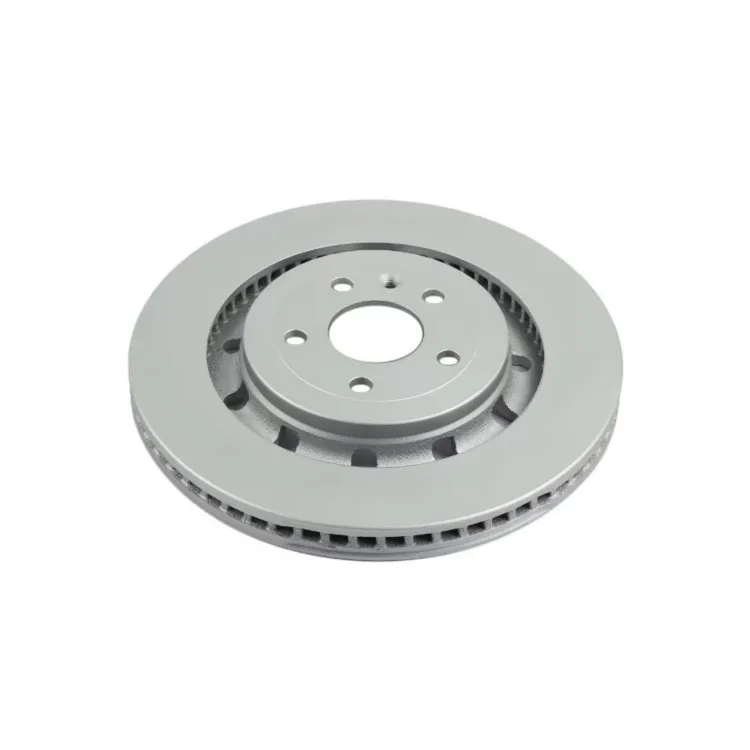
When it comes to materials, ordinary brake discs often use common cast iron, while high - performance wear - resistant and rustproof brake discs are made from materials like gray iron, GG20, and high - carbon steel. These materials offer better strength and wear resistance. In terms of manufacturing processes, high - performance brake discs undergo precision machining, which ensures accurate dimensions and smooth surfaces. Regarding anti - corrosion capabilities, they are coated with multiple layers of anti - rust coatings, which can effectively prevent rust and extend the service life of the brake discs. The following chart shows the comparison:
| Aspect | Ordinary Brake Discs | High - Performance Brake Discs |
|---|---|---|
| Material | Common cast iron | Gray iron, GG20, high - carbon steel |
| Process | General machining | Precision machining |
| Anti - corrosion | Single - layer coating | Multiple - layer anti - rust coatings |
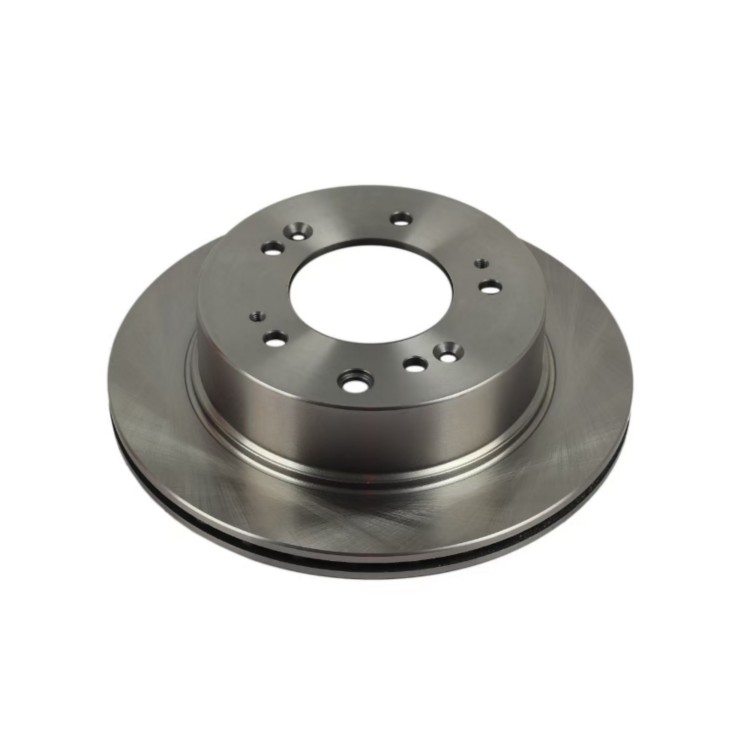
Dynamic balance testing is a crucial step in the production of high - performance brake discs. During this process, the brake discs are tested at high speeds to ensure that they rotate evenly without causing vibrations. This not only improves the braking accuracy and stability but also enhances driving safety. According to industry data, brake discs that pass dynamic balance testing can reduce braking distance by up to 15% under certain conditions.
One of the remarkable features of these high - performance brake discs is their ability to fit 99% of vehicle models. This is achieved through in - depth research and development, as well as the use of advanced manufacturing technologies. By analyzing the braking systems of various vehicle models, the manufacturers can design brake discs that meet the diverse needs of the global market. This wide market coverage gives customers more choices and ensures that they can find suitable brake discs for their vehicles.
The VCA COP (Vehicle Certification Agency Conformity of Production) is an international quality audit. When a product passes the VCA COP audit, it means that its production process and product quality are in line with international standards. By presenting VCA COP audit cases, the manufacturers can enhance the trust of global customers in their products. For example, a well - known automotive parts distributor reported a 20% increase in sales of these brake discs after they were certified by VCA COP.
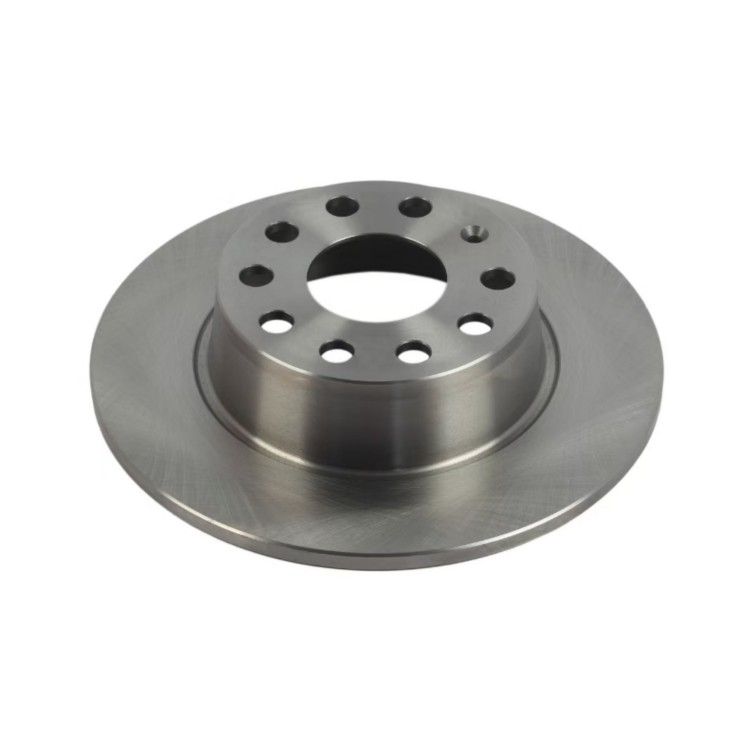
Q: How long is the warranty period of these brake discs? A: These brake discs come with a two - year warranty and an 80,000 - kilometer guarantee.
Q: Can these brake discs be used in extreme weather conditions? A: Yes, thanks to their high - quality materials and anti - rust coatings, they can perform well in various weather conditions.
Are you interested in learning more about the advanced technology behind these high - performance brake discs? Click here to get the technical whitepaper or consult for a customized solution.
 286
|
286
|
 wear-resistant brake discs anti-rust brake disc commercial vehicle braking system high-performance brake disc brake disc certification
135
|
brake disc compatibility precision locating holes R90 E-mark certification OEM brake disc customization brake system interface design
364
|
brake disc selection brake disc noise troubleshooting brake vibration fix brake disc compatibility brake disc quality check
246
|
brake disc adaptability high-precision positioning holes E-mark certification OEM brake disc customization braking system interface compatibility
256
|
brake kit certification standards E-MARK certified brake components VCA COP audit process automotive brake system safety environmentally compliant brake pads
wear-resistant brake discs anti-rust brake disc commercial vehicle braking system high-performance brake disc brake disc certification
135
|
brake disc compatibility precision locating holes R90 E-mark certification OEM brake disc customization brake system interface design
364
|
brake disc selection brake disc noise troubleshooting brake vibration fix brake disc compatibility brake disc quality check
246
|
brake disc adaptability high-precision positioning holes E-mark certification OEM brake disc customization braking system interface compatibility
256
|
brake kit certification standards E-MARK certified brake components VCA COP audit process automotive brake system safety environmentally compliant brake pads