.png?x-oss-process=image/resize,h_100,m_lfit/format,webp)
.png?x-oss-process=image/resize,h_100,m_lfit/format,webp)
.png?x-oss-process=image/resize,h_100,m_lfit/format,webp)

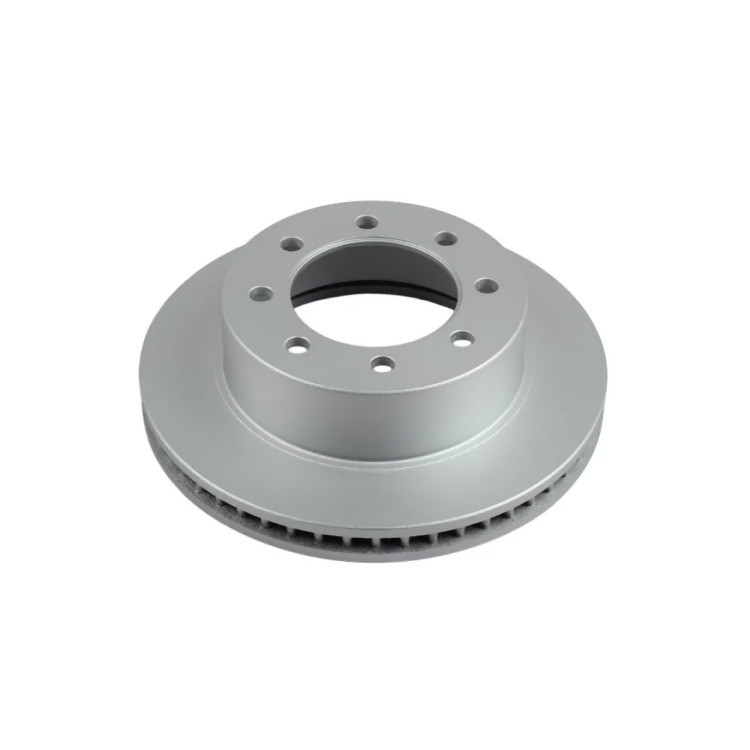
In today’s competitive global automotive aftermarket, a brake disc’s adaptability to over 99% of vehicle models worldwide is no accident — it is the result of meticulous engineering focusing on one critical feature: the high-precision locating hole. This component significantly influences installation accuracy, fitment reliability, and ultimately, the product’s market success. By analyzing dimensional tolerance control, interface standardization, and strict compliance with R90 E-mark certification, this guide reveals how systematic design elevates cross-brand and cross-regional compatibility of brake discs.
The locating hole directly aligns the brake disc to the hub assembly, serving as the primary mechanical interface to ensure concentricity and structural stability. Even minor deviations greater than 0.05 mm in diameter or position can lead to vibrations, premature wear, or installation difficulties. This is especially critical given the wide range of OEM standards across global models—from European designs with tight conformity to diverse Asian assembly lines with variable tolerances.
Implementing precision machining and statistical process controls (SPC) keeps the locating hole diameter within ±0.02 mm, improving the fit reliability by an estimated 15% compared to conventional processes. Such precision reduces aftermarket returns and warranty claims significantly, enhancing brand credibility and customer satisfaction.
Adhering to IATF 16949 quality management standards during design and manufacturing reinforces traceability and continuous improvement in locating hole accuracy. The process encompasses rigorous initial sample tests, tolerance verification via Coordinate Measuring Machines (CMM), and ongoing audit cycles.
Additionally, compliance with ECE R90 E-mark certification is legally mandatory for brake discs sold in the European Union, certifying that the locating hole and mounting interface meet stringent safety and performance standards. This involves confirmed dimensional accuracy, material strength thresholds, and dynamic braking tests across multiple vehicle categories.
| Market | Locating Hole Diameter Tolerance (mm) | Positional Accuracy (mm) | Estimated Vehicle Compatibility (%) |
|---|---|---|---|
| Europe | ±0.015 | ±0.02 | 98% |
| Asia | ±0.025 | ±0.03 | 95% |
| Emerging Markets | ±0.035 | ±0.04 | 90% |
These figures underscore the technical challenge: tightening locating hole tolerances directly correlates with higher universal fitment percentages and customer satisfaction.
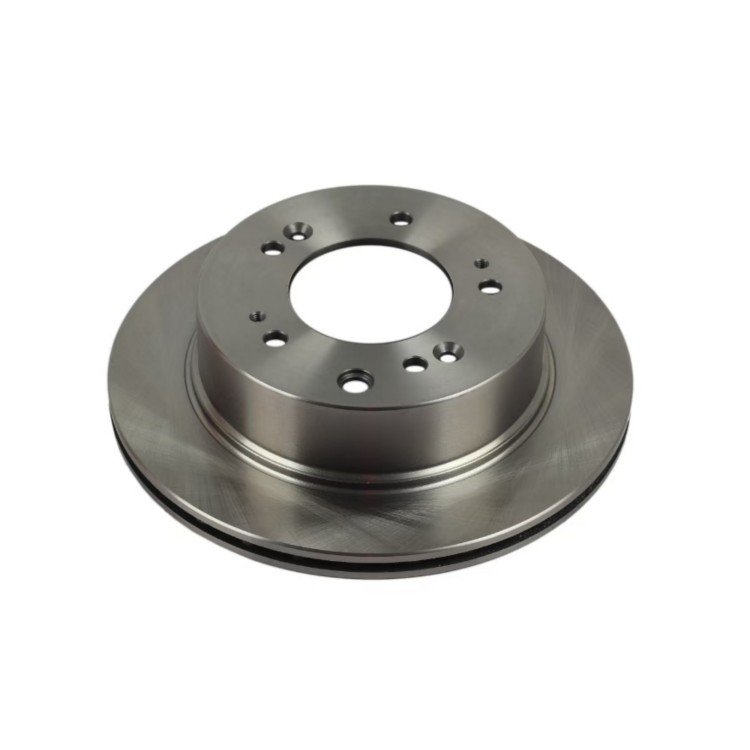
The complexity of servicing diverse global vehicle platforms requires a flexible but standardized product development framework. Efficient OEM and ODM customization leverages a library of standardized locating hole patterns and material specifications proven compliant with industry certifications while allowing precise tailoring.
By adopting modular tooling and CNC-controlled production lines, lead times for custom brake disc orders shrink dramatically—often under 4 weeks—without compromising the precise tolerances vital for high compatibility. This agile process accommodates urgent tenders and supports differentiated branding strategies.
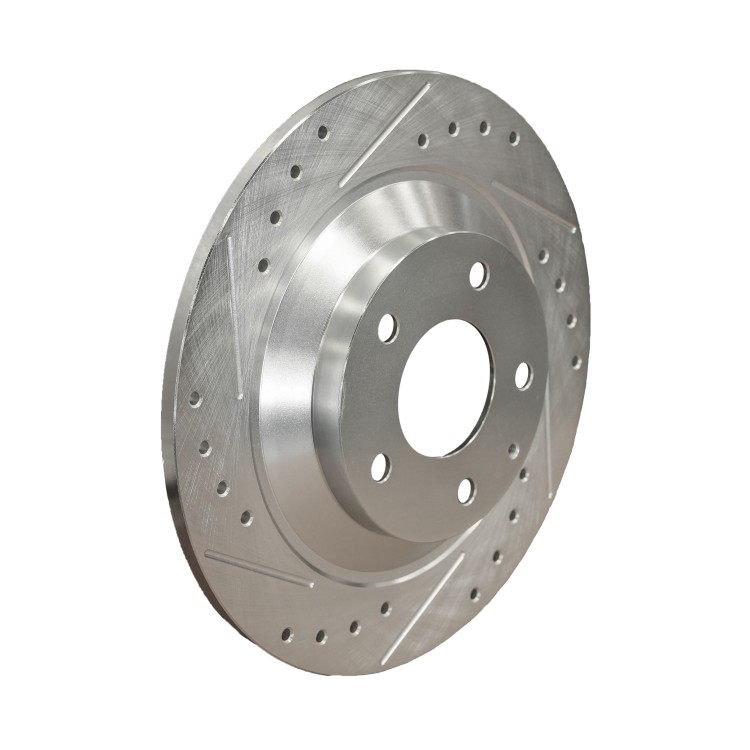
Backed by a 2-year quality guarantee and an 80,000-kilometer durability warranty, these high-precision brake discs not only meet but exceed global standards on adaptability and reliability. This assurance reflects the brand’s commitment to long-term performance and aftermarket excellence.