.png?x-oss-process=image/resize,h_100,m_lfit/format,webp)
.png?x-oss-process=image/resize,h_100,m_lfit/format,webp)
.png?x-oss-process=image/resize,h_100,m_lfit/format,webp)

In the fiercely competitive automotive sector, quality assurance is non-negotiable, especially in safety-critical components like brake hubs. The IATF TS16949 certification has emerged as the international benchmark for quality management systems tailored to automotive suppliers. This article unveils how this rigorous standard integrates into brake hub production, driving enhanced process control, risk mitigation, and continual improvement to deliver superior product consistency and reliability.
IATF TS16949, jointly developed by the International Automotive Task Force (IATF) and ISO, is the globally recognized quality management standard specifically designed for automotive suppliers. It mandates harmonized quality system requirements that align with ISO 9001 but with a stronger focus on defect prevention, reduced variation, and waste elimination within the automotive supply chain.
For manufacturers of automotive brake hubs—a critical vehicle safety component—this certification is not merely a quality badge but a practical roadmap ensuring compliance with OEMs’ stringent expectations, particularly from demanding markets like Europe and North America. Beyond certification, it signals a manufacturer’s commitment to uncompromising quality and continuous process advancement.
Integration of IATF TS16949 into brake hub production touches every essential phase:
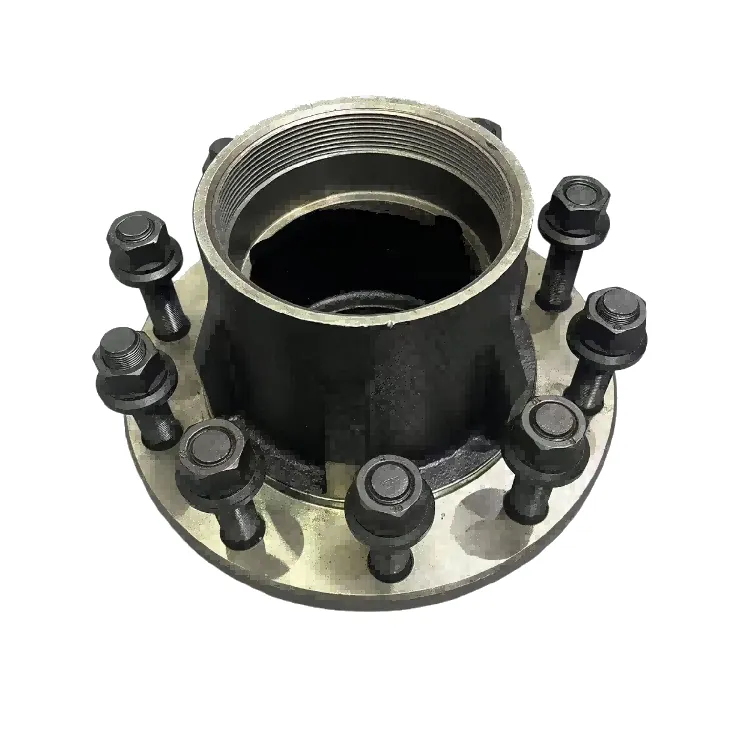
A leading brake hub supplier in Germany demonstrated that after achieving IATF TS16949 certification, their defect rate dropped from 1.8% to under 0.4% within 12 months. This translated directly into a 25% reduction in warranty claims and a stronger partnership with OEM clients who demanded predictable quality and on-time delivery.
Additionally, North American automotive assemblers reported supplier scorecard improvements of up to 30%, citing enhanced traceability and documentation compliance post-certification. This not only improved supplier reputation but secured larger production volumes and long-term contracts.
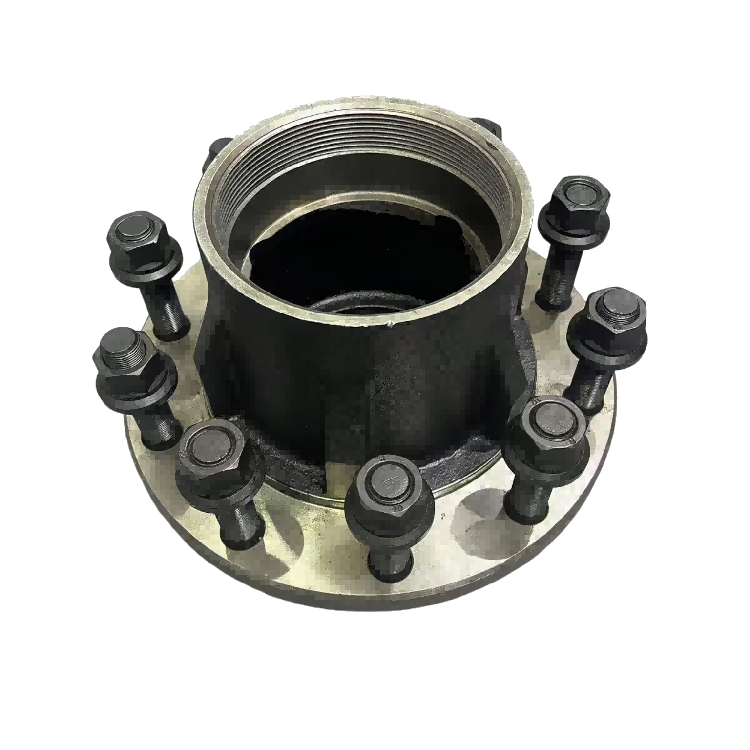
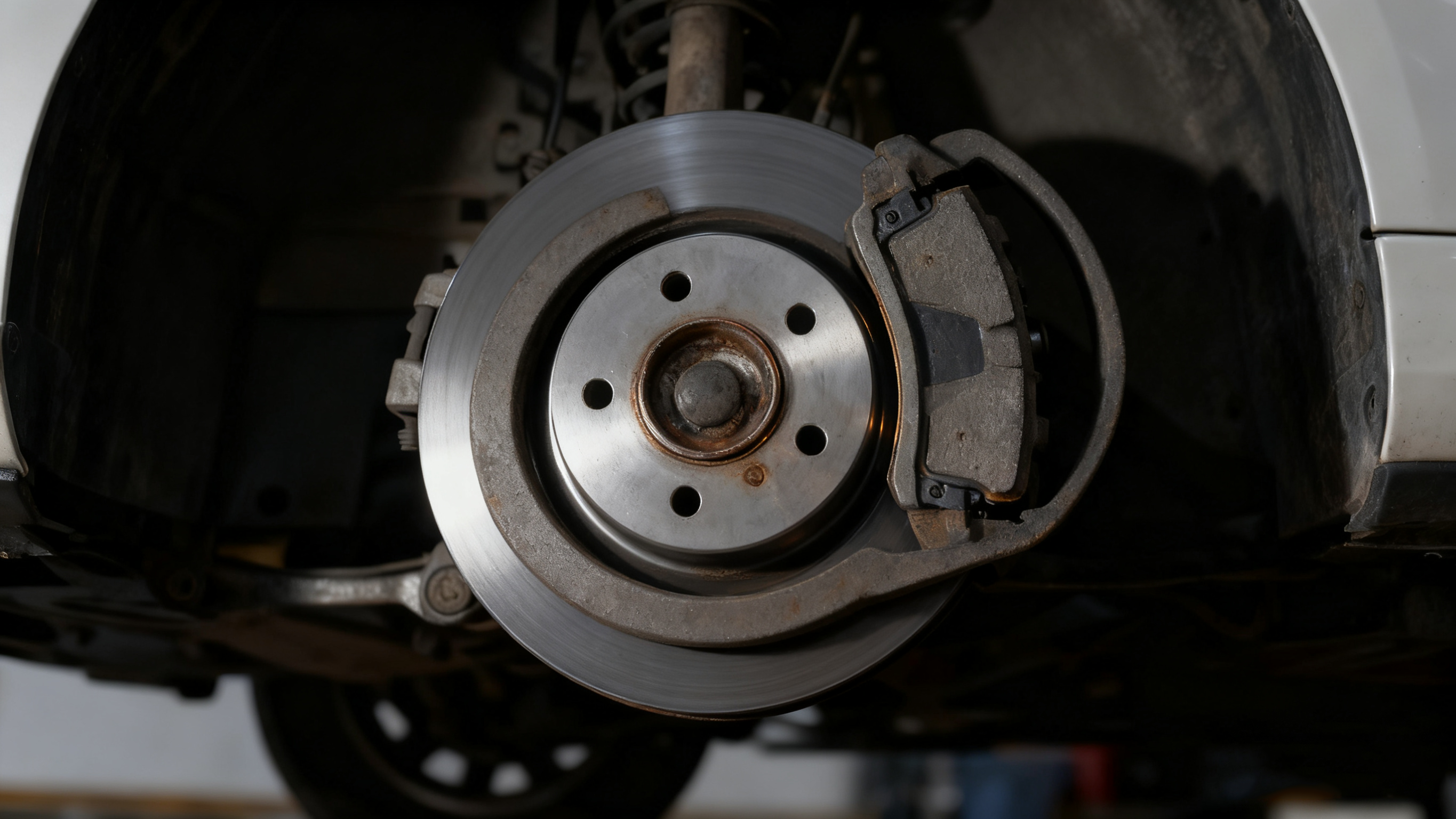
OEMs prioritize suppliers who can consistently meet or exceed quality and delivery standards. IATF TS16949 certification serves as a tangible differentiator, enabling suppliers to:
In contrast, non-certified suppliers often face longer qualification cycles, higher rejection rates, and diminished trust—resulting in lost business opportunities in key global markets.
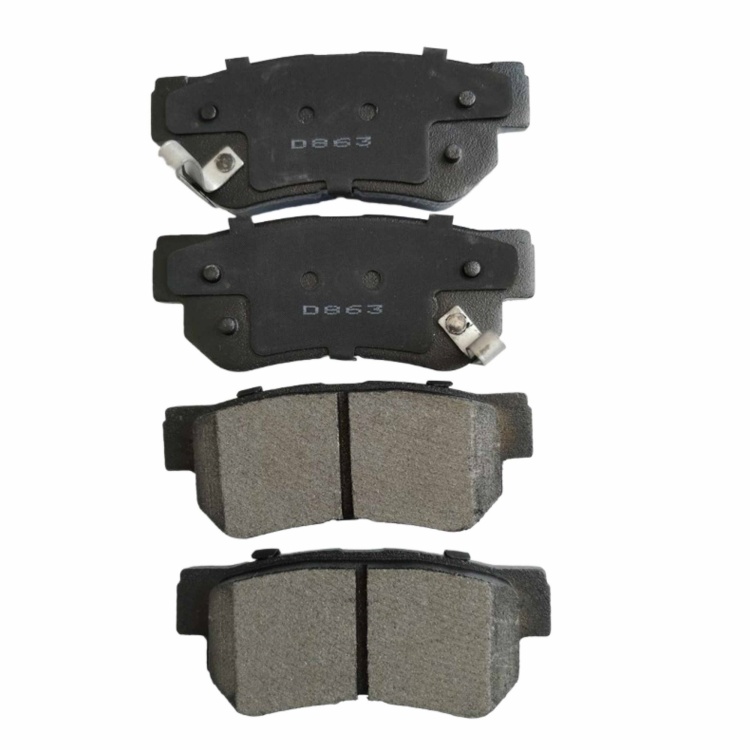
To support informed sourcing decisions, procurement teams can apply the following audit criteria targeting IATF TS16949 compliance in brake hub suppliers:
These checkpoints enhance transparency, reduce risk, and help identify suppliers with proven capability to sustain high-quality standards over time.
" IATF TS16949 lays the foundation for operational excellence in automotive component manufacturing by embedding quality in every process—from raw materials to final inspection. Its impact on reliability and supplier credibility is unparalleled." — Dr. Michael Anders, Automotive Quality Consultant
The technical rigor and cultural shift demanded by IATF TS16949 certification offer a long-term strategic advantage. Beyond compliance, it fosters innovation, customer trust, and continuous evolution—keys to thriving in the evolving global automotive supply ecosystem.
 417
|
417
|
 Brake disc installation myths Positioning hole precision Turning and grinding processes Commercial vehicle brake discs Braking system safety
286
|
wear-resistant brake discs anti-rust brake disc commercial vehicle braking system high-performance brake disc brake disc certification
246
|
brake disc adaptability high-precision positioning holes E-mark certification OEM brake disc customization braking system interface compatibility
446
|
brake disc replacement wear-resistant brake disc brake disc inspection methods high-performance brake disc vehicle brake safety
207
|
brake drum rust prevention commercial vehicle brake system corrosion humid climate brake drum protection brake drum coating vs oil seal anti-corrosion treatment for trucks
Brake disc installation myths Positioning hole precision Turning and grinding processes Commercial vehicle brake discs Braking system safety
286
|
wear-resistant brake discs anti-rust brake disc commercial vehicle braking system high-performance brake disc brake disc certification
246
|
brake disc adaptability high-precision positioning holes E-mark certification OEM brake disc customization braking system interface compatibility
446
|
brake disc replacement wear-resistant brake disc brake disc inspection methods high-performance brake disc vehicle brake safety
207
|
brake drum rust prevention commercial vehicle brake system corrosion humid climate brake drum protection brake drum coating vs oil seal anti-corrosion treatment for trucks