.png?x-oss-process=image/resize,h_100,m_lfit/format,webp)
.png?x-oss-process=image/resize,h_100,m_lfit/format,webp)
.png?x-oss-process=image/resize,h_100,m_lfit/format,webp)
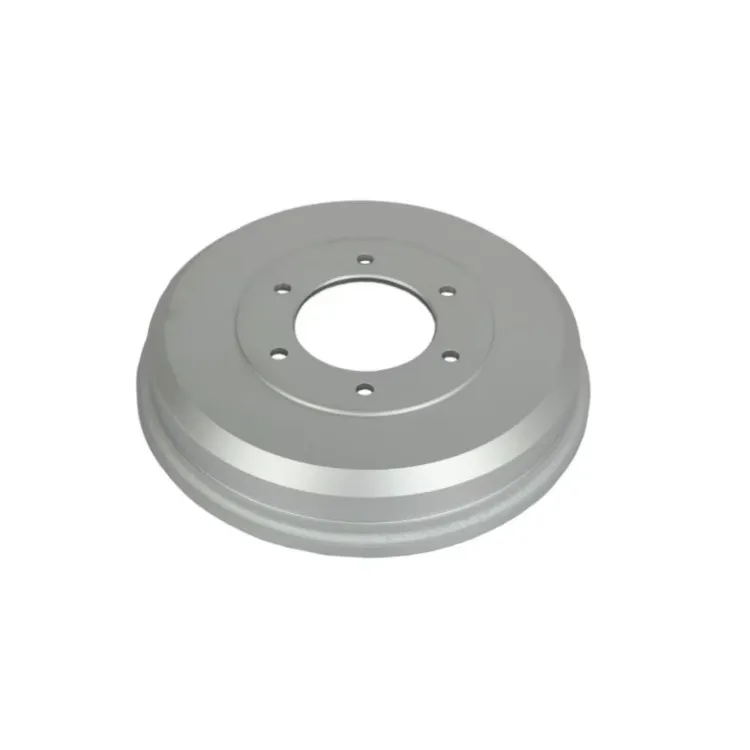
For automotive OEMs and Tier 1 suppliers, quality isn’t just a checkbox—it’s a competitive necessity. In the high-stakes world of braking systems, where safety is non-negotiable, IATF TS16949 certification has become the gold standard. But what does it actually mean for brake hub manufacturers—and how does it translate into real-world performance?
According to a 2023 study by SAE International, over 87% of global carmakers now require their brake component suppliers to hold IATF TS16949 certification. Why? Because this standard ensures systematic control over every stage—from raw material sourcing to final inspection—reducing variability and enhancing reliability.
| Key Process Area | Impact on Brake Hub Quality |
|---|---|
| Process Control (PPAP) | Reduces dimensional variation by up to 60% |
| Risk Management (FMEA) | Prevents 90% of common failure modes before production |
| Continuous Improvement (Kaizen) | Lowers defect rate by an average of 35% year-over-year |
A leading Chinese brake hub manufacturer, certified under IATF TS16949, reported a 42% drop in field failures within 12 months post-certification. Their customers—including European OEMs—attributed this improvement to tighter process controls, better documentation, and proactive supplier audits. This isn’t just theory—it’s measurable ROI.

When evaluating brake hub suppliers, don’t just ask for the certificate—dig deeper:
These are the questions that separate compliant suppliers from truly capable ones.
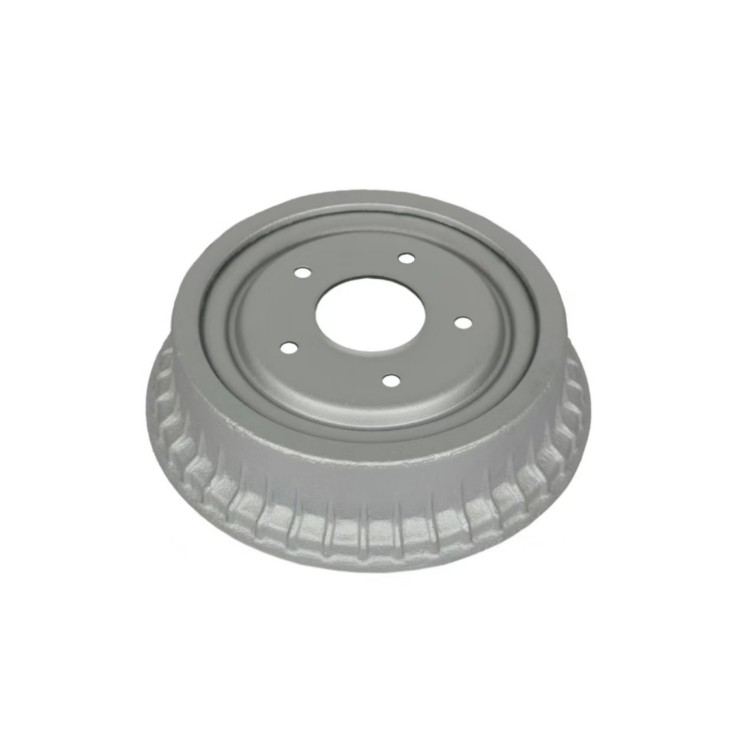
If you're sourcing brake hubs for your next vehicle platform, choosing a supplier with IATF TS16949 certification isn't just smart—it's essential. It means fewer recalls, higher customer satisfaction, and long-term supply chain resilience.
 253
|
253
|
 brake disc quality control automotive brake disc manufacturing Laizhou Guanzhuo brake discs high precision brake discs brake disc testing process
281
|
IATF TS16949 certified brake drums R90 E-mark brake drum compliance brake drum performance testing automotive brake drum quality standards brake drum manufacturing process
234
|
Brake kit international certification VCA COP audit EMARK certification Certification certificate verification Auto parts safety standards
161
|
brake disc installation mistakes locating hole precision turning machining process commercial vehicle brake discs brake system safety
79
|
Brake kit selection guide ABS ring gear kit material comparison Foreign trade brake parts selection Brake system adaptability judgment High - performance brake kit application
brake disc quality control automotive brake disc manufacturing Laizhou Guanzhuo brake discs high precision brake discs brake disc testing process
281
|
IATF TS16949 certified brake drums R90 E-mark brake drum compliance brake drum performance testing automotive brake drum quality standards brake drum manufacturing process
234
|
Brake kit international certification VCA COP audit EMARK certification Certification certificate verification Auto parts safety standards
161
|
brake disc installation mistakes locating hole precision turning machining process commercial vehicle brake discs brake system safety
79
|
Brake kit selection guide ABS ring gear kit material comparison Foreign trade brake parts selection Brake system adaptability judgment High - performance brake kit application