.png?x-oss-process=image/resize,h_100,m_lfit/format,webp)
.png?x-oss-process=image/resize,h_100,m_lfit/format,webp)
.png?x-oss-process=image/resize,h_100,m_lfit/format,webp)

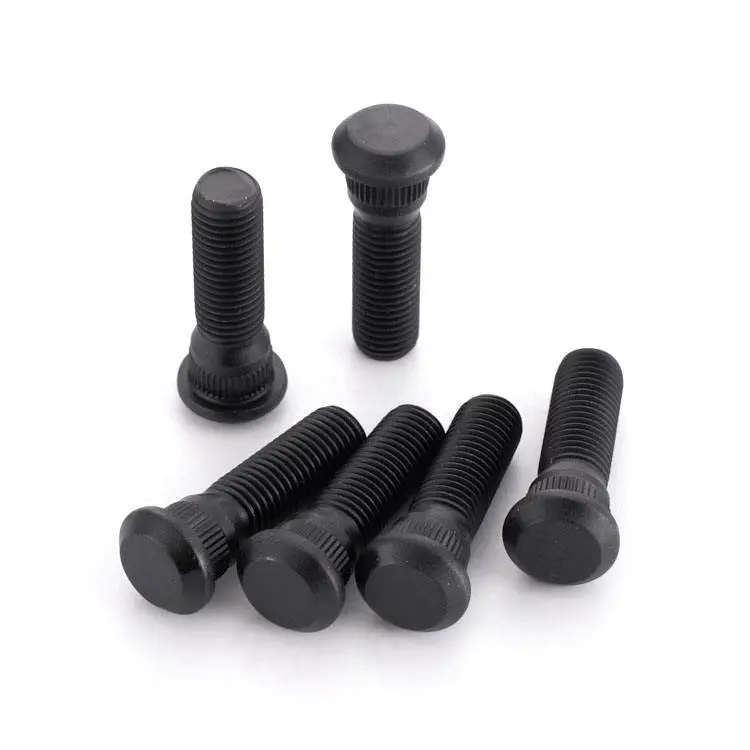
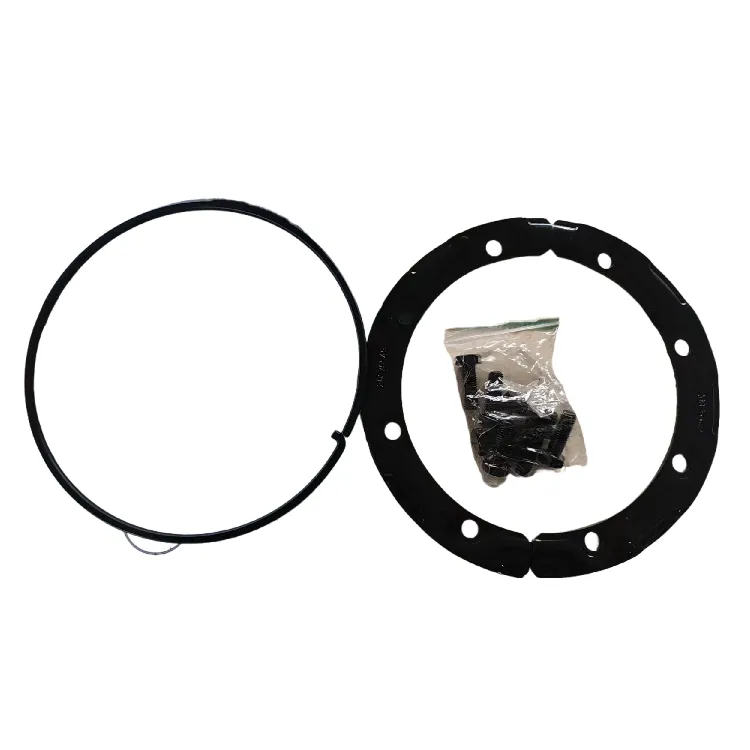
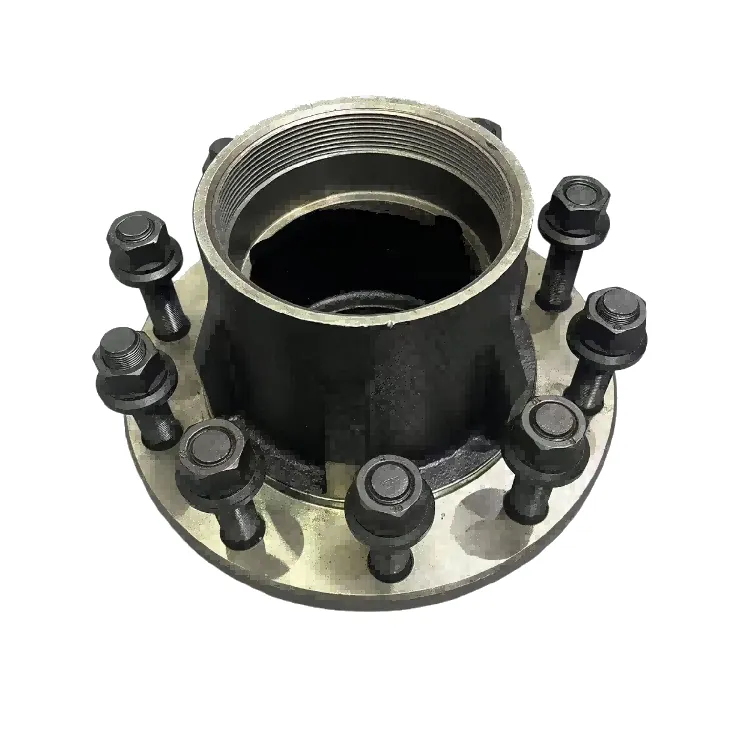
In the automotive industry, safety and reliability are paramount. For procurement professionals sourcing critical components like brake bolts, certifications such as IATF TS16949 and R90 E-mark are vital indicators of product quality and compliance. This guide explores the intrinsic quality assurance advantages afforded by brake bolts certified under IATF TS16949, focusing on their design, material science, manufacturing precision, and packaging innovations that safeguard performance across diverse vehicle models and challenging environments worldwide.
Brake bolts certified with IATF TS16949 are manufactured under stringent automotive quality management systems designed specifically for the automotive sector. The certification ensures a continual improvement mindset, defect prevention, and reduction of variation and waste in the supply chain.
These bolts employ advanced corrosion-resistant alloys — typically high-grade steel combined with zinc-nickel plating or other proprietary anti-corrosion treatments — which extend product life by 30-50% compared to standard bolts. This resilience is crucial for meeting the diverse operational demands of passenger cars, commercial vehicles, and heavy-duty trucks, especially in corrosive environments such as coastal areas or regions with high road salt exposure.
| Key Feature | Impact on Brake Bolts | Benefit for Procurement |
|---|---|---|
| Precision Machining (±0.01 mm tolerance) | Ensures high thread accuracy and tight fit | Reduces installation errors and improves brake system safety |
| Heat Treatment Technology | Enhances tensile strength above 1000 MPa | Extends service life under high-stress braking conditions |
| IATF TS16949 Quality Management | Strict process control and monitoring | Minimizes defect rate to less than 0.1% |
IATF TS16949 is an internationally recognized quality management standard aligning specifically with the automotive industry’s stringent requirements. Compliance with this standard demonstrates a manufacturer’s commitment to defect prevention, continuous improvement, and supply chain accountability.
The R90 E-mark certification further validates the brake bolts’ compliance with regulatory performance criteria in Europe, including mechanical strength, material integrity, and corrosion resistance. This dual certification framework reassures buyers of the product’s reliability and suitability for global markets.
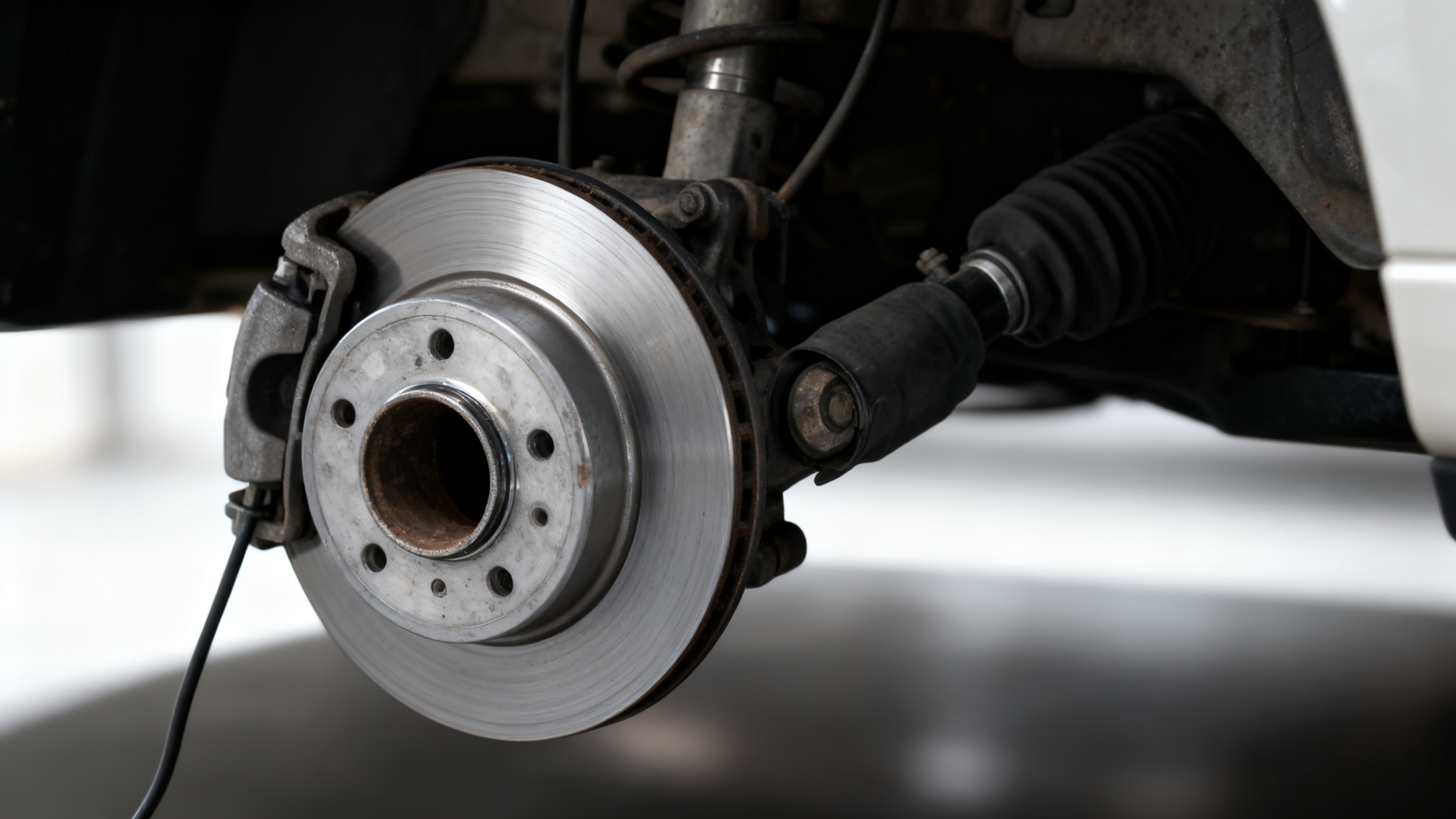
Beyond the manufacturing precision, the packaging solutions for brake bolts contribute significantly to overall quality assurance. To counter rust formation during long shipping routes and varying climate conditions, suppliers deploy advanced multi-layered anti-rust packaging including vacuum-sealed pouches, desiccants, and corrosion inhibitor coatings.
These packaging technologies have been shown to reduce rust incidence by over 70% compared to conventional packaging, ensuring that bolts arrive at their destination ready for immediate assembly without costly rework or delayed installations — a critical advantage for supply chains operating at scale.
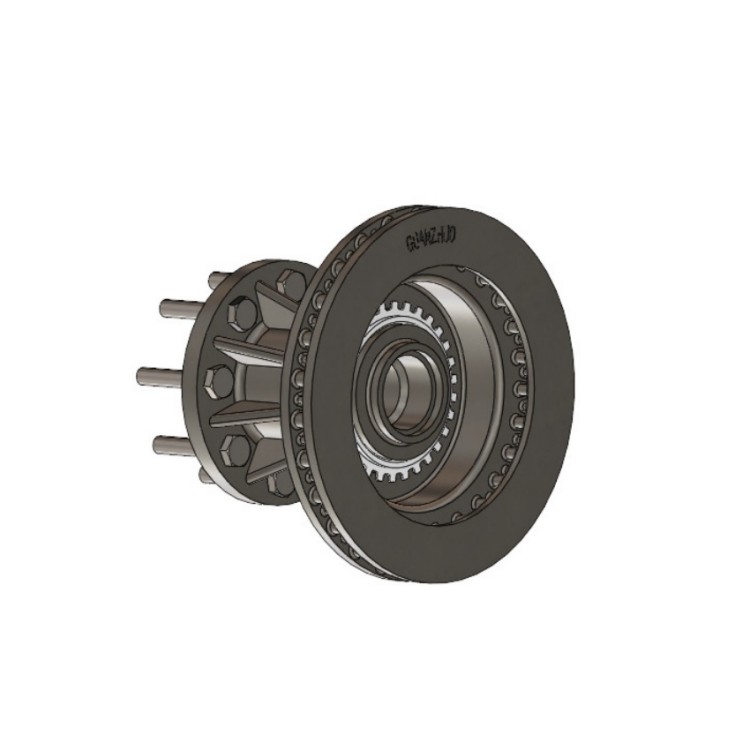
The rigorous engineering and certification processes enable these brake bolts to perform reliably under various operational scenarios — from everyday passenger cars to rugged heavy-duty vehicles subjected to extreme thermal cycles, vibration, and corrosive salts.
Procurement specialists appreciate that these products come with full traceability of materials and manufacturing batches, enabling effective quality control and compliance audits. The versatility and robustness of IATF TS16949 certified brake bolts reduce maintenance costs and enhance vehicle safety over the entire service lifecycle.
 213
|
213
|
 automotive brake disc selection guide brake disc corrosion resistance technology high-performance brake discs vehicle braking system maintenance brake disc warranty benefits
467
|
brake disc warranty period brake disc mileage guarantee passenger car brake disc selection guide B2B brake disc procurement brake disc anti - rust treatment
250
|
automotive brake pad replacement brake pad performance degradation brake pad routine inspection braking system maintenance certified high-quality brake pads
188
|
High-performance wear-resistant brake discs Rust-proof brake discs Brake disc selection guide Brake discs compatible with 99% of vehicle models Commercial vehicle brake system upgrade
83
|
passenger car brake disc selection guide brake disc rust prevention technology automotive braking system solutions TS16949 certified brake discs B2B custom brake disc services
automotive brake disc selection guide brake disc corrosion resistance technology high-performance brake discs vehicle braking system maintenance brake disc warranty benefits
467
|
brake disc warranty period brake disc mileage guarantee passenger car brake disc selection guide B2B brake disc procurement brake disc anti - rust treatment
250
|
automotive brake pad replacement brake pad performance degradation brake pad routine inspection braking system maintenance certified high-quality brake pads
188
|
High-performance wear-resistant brake discs Rust-proof brake discs Brake disc selection guide Brake discs compatible with 99% of vehicle models Commercial vehicle brake system upgrade
83
|
passenger car brake disc selection guide brake disc rust prevention technology automotive braking system solutions TS16949 certified brake discs B2B custom brake disc services



.png?x-oss-process=image/resize,h_800,m_lfit/format,webp)