.png?x-oss-process=image/resize,h_100,m_lfit/format,webp)
.png?x-oss-process=image/resize,h_100,m_lfit/format,webp)
.png?x-oss-process=image/resize,h_100,m_lfit/format,webp)

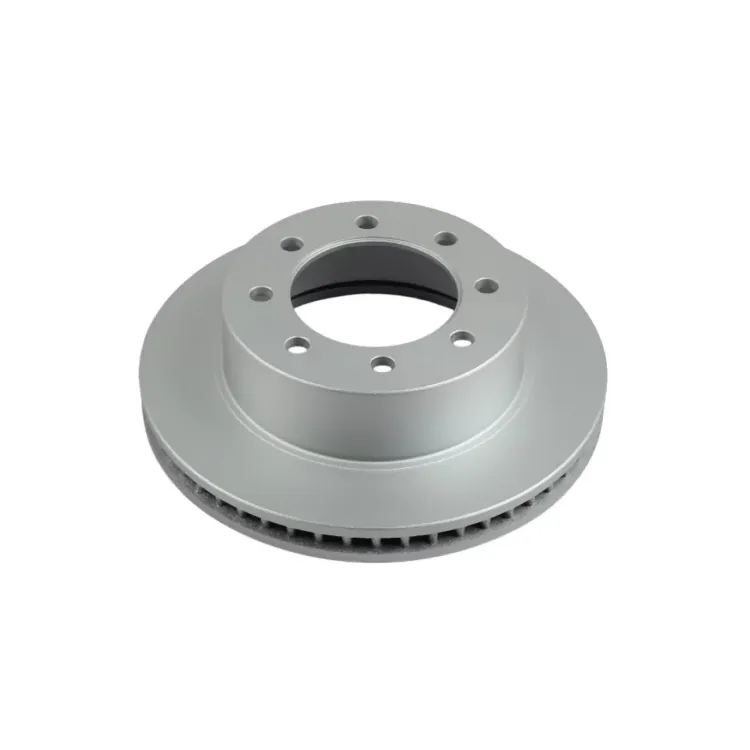
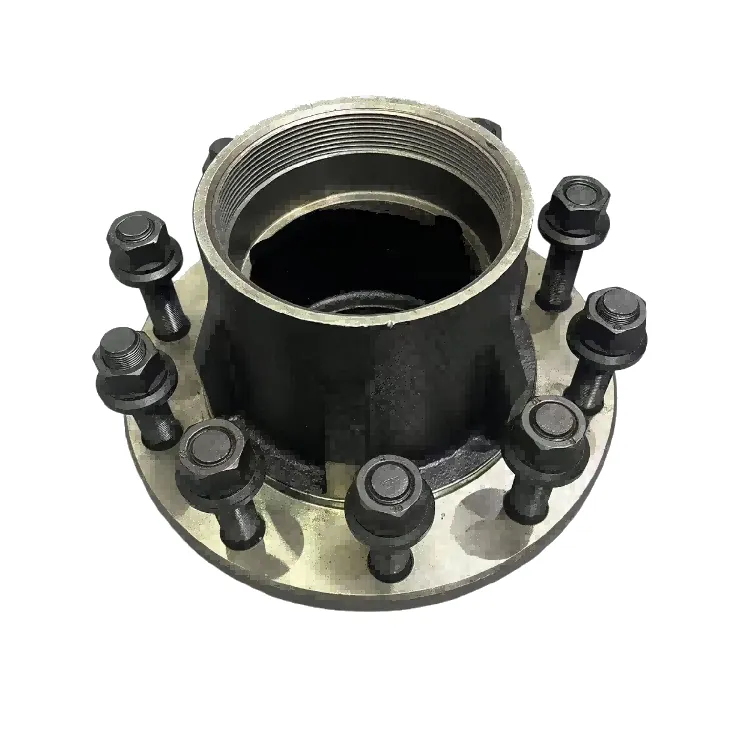
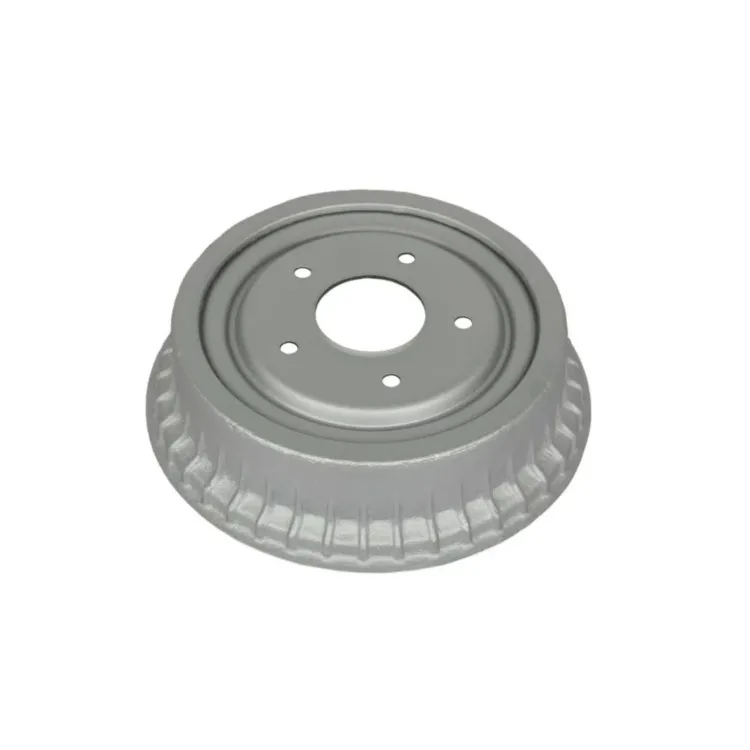
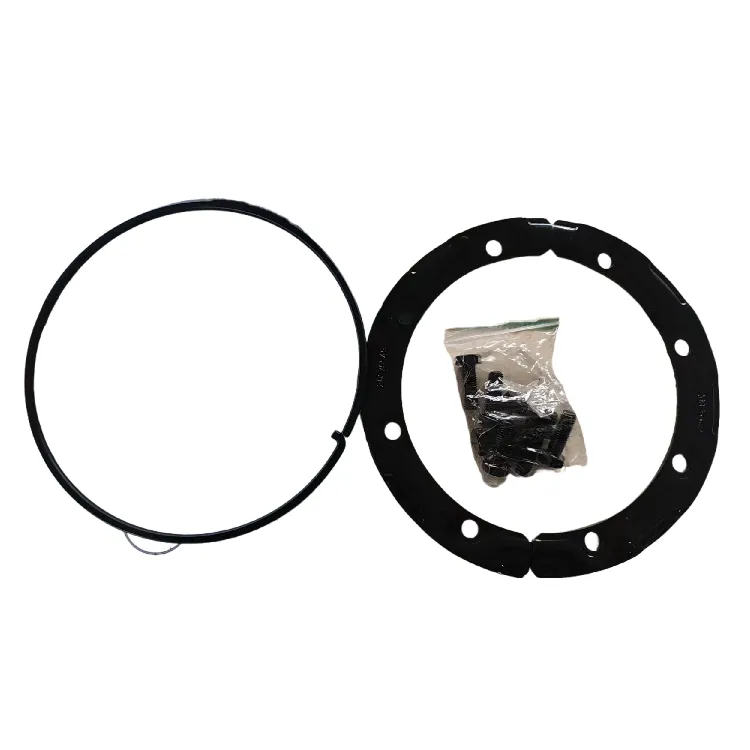
In the automotive industry, the safety of brake kits is of utmost importance. International certifications play a crucial role in ensuring the safety and compliance of these essential components. This article will delve into the significance of VCA COP (Vehicle Certification Agency Conformity of Production) audits and EMARK certifications in guaranteeing the quality and reliability of brake kits.
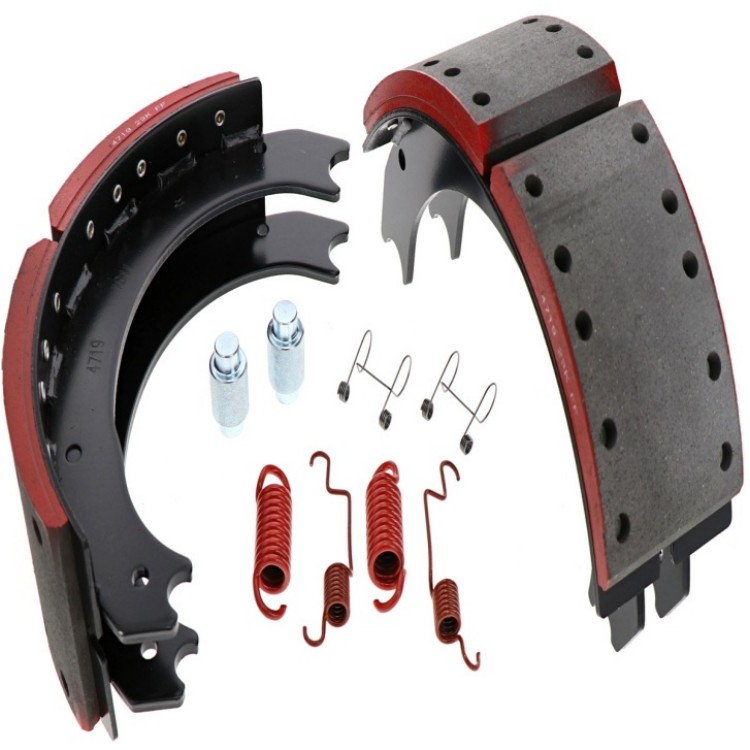
The VCA COP audit and EMARK certification are well - recognized international standards in the automotive parts industry. The VCA COP audit is conducted by the UK's Vehicle Certification Agency to ensure that the production process of brake kits meets strict quality control standards. EMARK, on the other hand, is a European certification that indicates compliance with European safety and environmental regulations.
These certifications are essential for enhancing the quality of brake kits and increasing their market recognition. According to industry statistics, brake kits with international certifications are 30% more likely to be trusted by customers compared to non - certified products. This is because they provide a guarantee that the products have undergone rigorous testing and meet specific safety and performance standards.
The certification process involves several key testing items. One of the most important is the durability test. Brake kits need to withstand a large number of braking cycles without significant wear. For example, in the VCA COP audit, brake pads are required to last for at least 100,000 braking cycles under normal operating conditions. This ensures that the brake kits can provide long - term reliable performance.
Another crucial test is the high - temperature stability verification. Brakes generate a significant amount of heat during operation, and high - temperature stability is essential to prevent brake fade. EMARK certification requires that brake kits maintain at least 70% of their braking efficiency at temperatures up to 600°C. This ensures that the brakes can perform effectively even under extreme conditions.
Environmental material compliance is also a key requirement. Brake kits must use materials that are environmentally friendly and comply with relevant regulations. For instance, they should not contain heavy metals such as lead and mercury above the permitted levels. This not only protects the environment but also the health of vehicle users.

Non - certified brake kits pose significant safety risks. Without proper durability testing, they may wear out quickly, leading to reduced braking performance and even brake failure. According to accident reports, vehicles equipped with non - certified brake kits are 50% more likely to be involved in braking - related accidents compared to those with certified kits.
Moreover, non - certified products may not meet environmental regulations, which can lead to legal issues for businesses. They may also use substandard materials that can cause harm to vehicle users and the environment.
It is essential for汽配经销商、车队管理者及出口业务人员 (automotive parts distributors, fleet managers, and export business personnel) to be able to verify the authenticity of certifications. They can use the certification number to check the validity of the certificate on the official websites of the certification bodies. There are also some professional verification services available to help them ensure that they are purchasing genuine certified products.
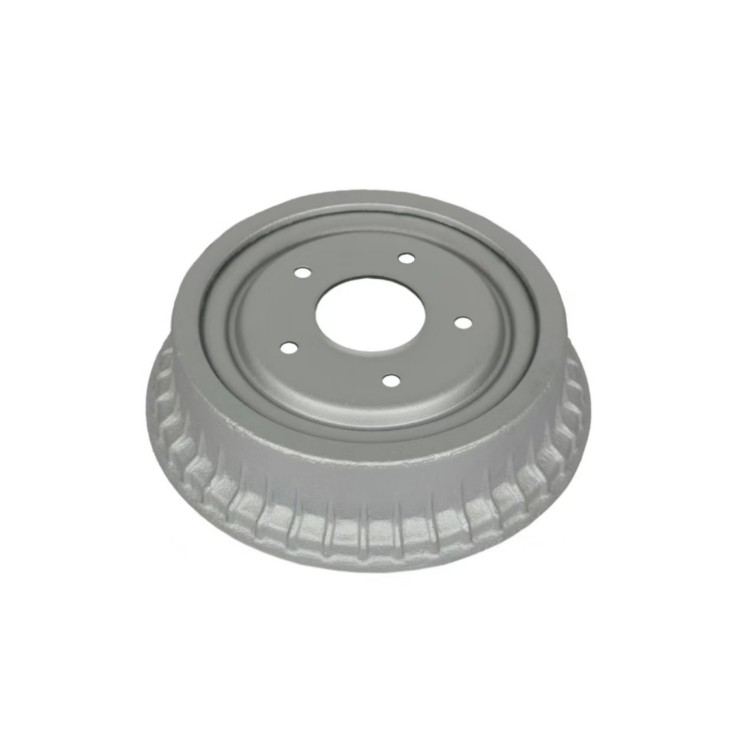
To make a more informed purchasing decision and ensure the safety of your vehicles, choose our certified brake kits. Our brake kits have passed the rigorous VCA COP audit and EMARK certification, providing you with the highest level of safety and performance. Explore our certified brake kits now!
 402
|
402
|
 brake pad heat fatigue detection brake pad replacement interval truck braking distance optimization long-haul vehicle safety brake wear indicator recognition
400
|
brake disc maintenance brake disc wear brake pad compatibility brake disc polishing risks brake system safety
364
|
brake disc selection brake disc noise troubleshooting brake vibration fix brake disc compatibility brake disc quality check
126
|
brake disc wear resistance rustproof brake discs high-compatibility brake discs IATF TS16949 certification R90 E-mark certification
115
|
IATF TS16949 certification for brake pads E-MARK R90 compliance ceramic brake pads for trucks commercial vehicle braking system heavy-duty truck safety standards
brake pad heat fatigue detection brake pad replacement interval truck braking distance optimization long-haul vehicle safety brake wear indicator recognition
400
|
brake disc maintenance brake disc wear brake pad compatibility brake disc polishing risks brake system safety
364
|
brake disc selection brake disc noise troubleshooting brake vibration fix brake disc compatibility brake disc quality check
126
|
brake disc wear resistance rustproof brake discs high-compatibility brake discs IATF TS16949 certification R90 E-mark certification
115
|
IATF TS16949 certification for brake pads E-MARK R90 compliance ceramic brake pads for trucks commercial vehicle braking system heavy-duty truck safety standards