.png?x-oss-process=image/resize,h_100,m_lfit/format,webp)
.png?x-oss-process=image/resize,h_100,m_lfit/format,webp)
.png?x-oss-process=image/resize,h_100,m_lfit/format,webp)
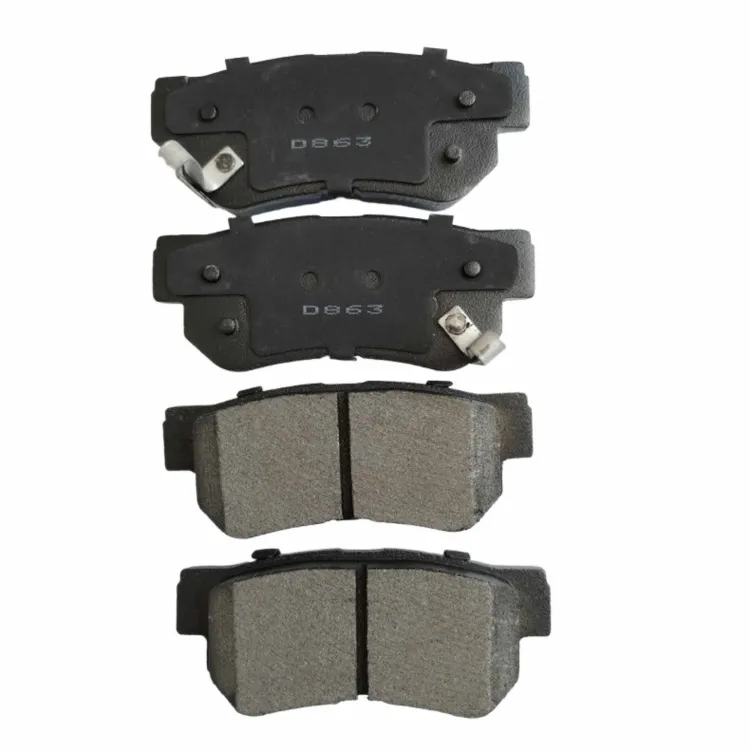
As global automotive markets grow more interconnected, buyers—from fleet managers to independent distributors—are increasingly demanding proof of safety, compliance, and environmental responsibility in brake components. According to a 2023 report by the International Organization of Motor Vehicle Manufacturers (OMMV), over 72% of European and North American auto parts buyers now prioritize certified products when making procurement decisions—up from just 45% in 2018.
The VCA COP (Vehicle Component Approval Procedure) is Germany’s rigorous certification process under EU Regulation No. 168/2013, while EMARK (ECE R13-H) is the internationally recognized mark for braking systems across 50+ countries, including the U.S., Japan, and Australia.
| Test Category | VCA COP / EMARK Requirement | Non-Certified Risk |
|---|---|---|
| High-Temperature Stability | Must withstand 400°C without performance drop | Up to 30% reduction in friction at 350°C |
| Wear Resistance | Min. 30,000 km wear life | Often fails before 15,000 km |
| Environmental Compliance | No lead, cadmium, or hexavalent chromium | Frequent exceedance of REACH limits |
“Brake failure due to uncertified materials has been linked to over 12% of heavy vehicle accidents in the EU since 2020.” — European Transport Safety Council (ETSC)
In real-world scenarios, non-certified brake kits have shown alarming inconsistencies: one study by TÜV SÜD found that 68% of unmarked brake pads failed basic heat resistance tests, leading to increased stopping distances and premature wear. These aren’t just technical issues—they’re legal liabilities.
Don’t rely on claims alone. Use these steps to validate authenticity:
Tip: If your supplier refuses to provide traceable documentation, ask why. Transparency should be expected—not negotiated.
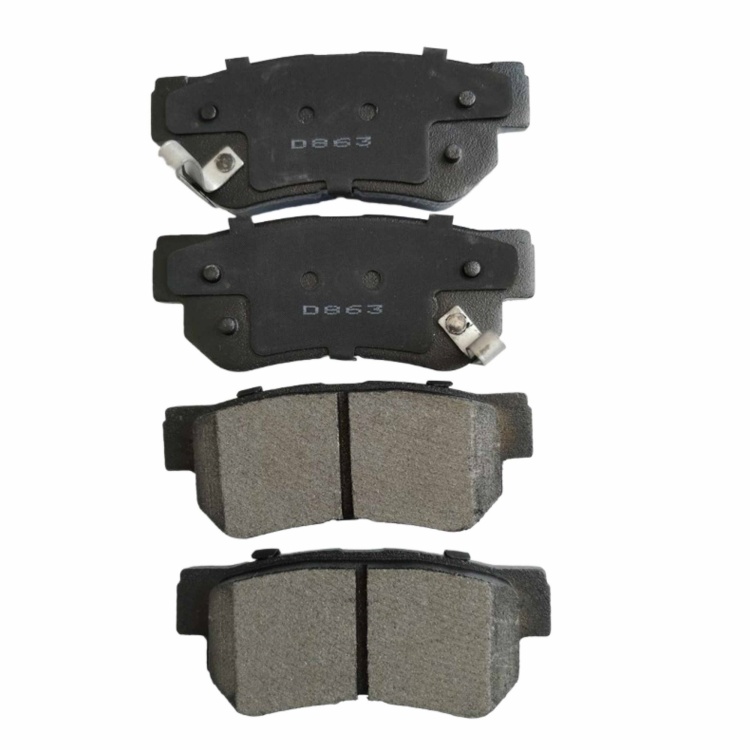
Whether you're sourcing for a logistics company in Dubai or a repair shop in São Paulo, choosing certified brake kits isn’t just about compliance—it’s about trust. And trust, once broken, is harder to rebuild than any product.
 316
|
316
|
 brake drum rust protection commercial vehicle brake corrosion prevention freeze-thaw cycle brake drum maintenance anti-rust coating for brake drums salt spray resistant brake components
477
|
Brake disc adaptability High - precision positioning holes European E - mark certification OEM brake disc customization Brake system interface compatible design
317
|
Commercial vehicle brake pads certification standards Heavy - duty truck braking solutions E - MARK R90 certification details IATF TS16949 compliance guide Advantages of copper - free ceramic brake pads
236
|
brake disc noise brake disc wear brake disc maintenance brake disc replacement brake system troubleshooting
202
|
brake drum rust prevention commercial vehicle brake system corrosion humid climate brake drum protection brake drum coating vs oil seal anti-corrosion treatment for trucks
brake drum rust protection commercial vehicle brake corrosion prevention freeze-thaw cycle brake drum maintenance anti-rust coating for brake drums salt spray resistant brake components
477
|
Brake disc adaptability High - precision positioning holes European E - mark certification OEM brake disc customization Brake system interface compatible design
317
|
Commercial vehicle brake pads certification standards Heavy - duty truck braking solutions E - MARK R90 certification details IATF TS16949 compliance guide Advantages of copper - free ceramic brake pads
236
|
brake disc noise brake disc wear brake disc maintenance brake disc replacement brake system troubleshooting
202
|
brake drum rust prevention commercial vehicle brake system corrosion humid climate brake drum protection brake drum coating vs oil seal anti-corrosion treatment for trucks