.png?x-oss-process=image/resize,h_100,m_lfit/format,webp)
.png?x-oss-process=image/resize,h_100,m_lfit/format,webp)
.png?x-oss-process=image/resize,h_100,m_lfit/format,webp)

In the commercial vehicle industry, the corrosion of brake drums can significantly impact the safety and performance of the braking system. Different regions around the world have diverse climate conditions, such as humidity, high salt - fog, and low - temperature freeze - thaw cycles, which pose unique challenges to brake drum anti - rust treatment. This article delves into the two mainstream anti - rust processes: oil sealing and spraying, aiming to provide fleet managers and procurement officers with a scientific guide for selecting the right protection solutions.
In humid areas like Southeast Asia, the high moisture content in the air accelerates the oxidation process of brake drums. According to a third - party test report, in a high - humidity environment with an average relative humidity of over 80%, the corrosion rate of untreated brake drums can increase by up to 30% compared to normal conditions. In high - salt - fog regions such as the Middle East, the salt particles in the air can penetrate the surface of the brake drums, causing pitting corrosion. In Nordic regions, the low - temperature freeze - thaw cycles can cause the coating on the brake drums to crack, exposing the metal to corrosion.
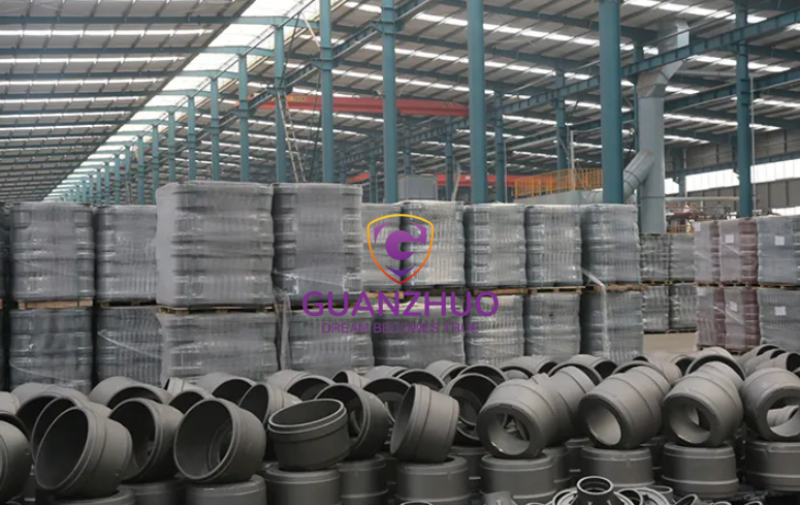
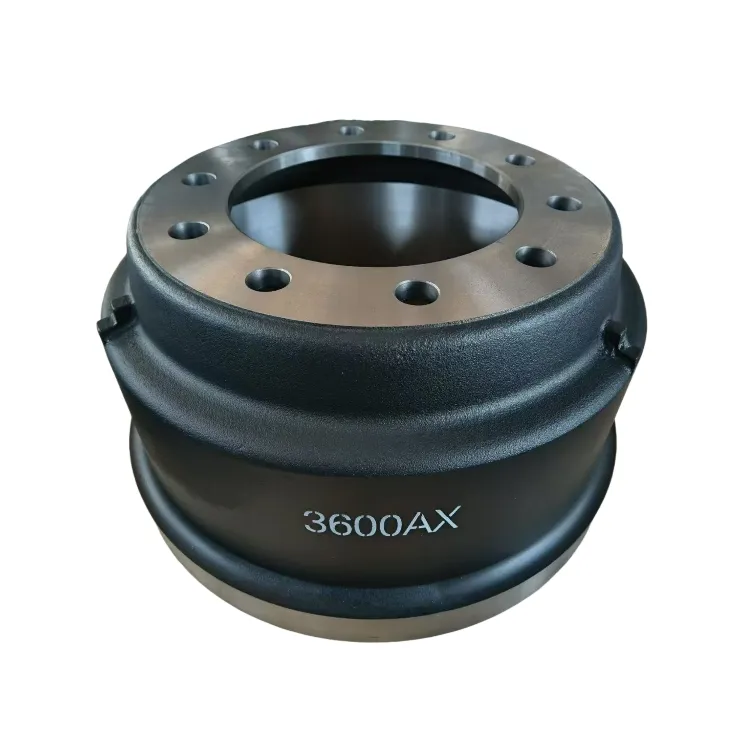
Oil sealing involves applying a layer of protective oil on the surface of the brake drum. This oil forms a physical barrier that prevents moisture and oxygen from coming into contact with the metal surface. The advantage of oil sealing is its relatively low cost and easy application. However, the oil layer may be easily washed away in wet conditions, reducing its anti - rust effectiveness. On the other hand, spraying applies a layer of paint or coating on the brake drum. Sprayed coatings can provide long - term protection and have better resistance to abrasion and chemical corrosion. But the spraying process is more complex and requires strict environmental conditions during application.
In humid regions, oil - sealed brake drums may lose their anti - rust ability within a few weeks due to the continuous washing of rainwater. In contrast, sprayed brake drums can maintain their anti - rust performance for up to 6 months or more. In high - salt - fog areas, the salt - resistant performance of sprayed coatings is significantly better than that of oil sealing. Sprayed coatings can resist salt corrosion for over a year, while oil - sealed brake drums may start to corrode within a few months. In low - temperature regions, the flexibility of sprayed coatings can withstand the expansion and contraction caused by temperature changes, while oil - sealed brake drums may experience oil solidification and lose their protective effect.
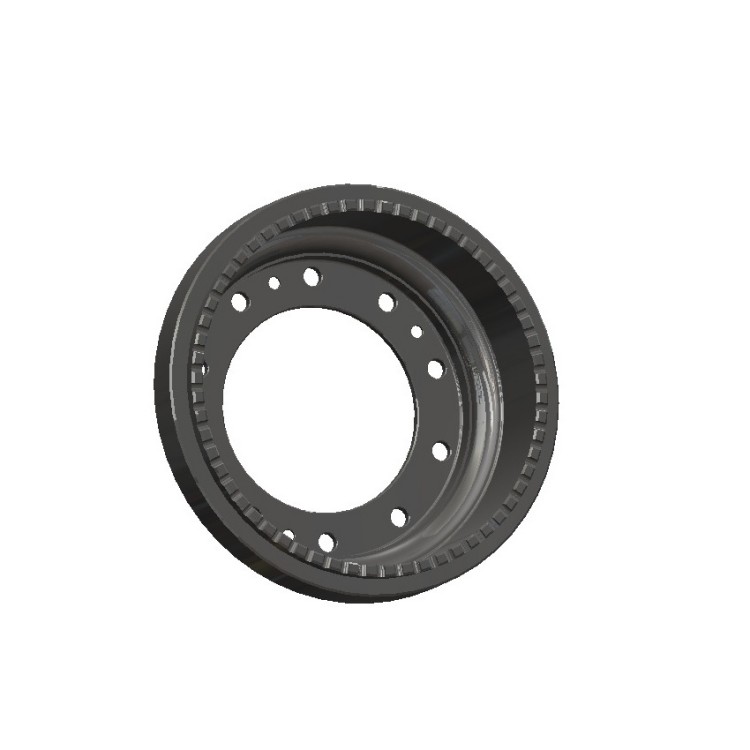
In Southeast Asia, a local logistics company found that after switching from oil - sealed to sprayed brake drums, the maintenance frequency of their brake systems decreased by 40%. In the Middle East, a transportation company reported that the service life of their brake drums increased by 50% after using sprayed brake drums. In Nordic countries, a fleet operator noticed a significant reduction in brake system failures after adopting sprayed brake drums, which improved the overall operational efficiency.
To help users make the right choice, we provide a comparison table and a decision - making flowchart based on different climate conditions. These tools can assist fleet managers and procurement officers in selecting the most suitable anti - rust treatment for their brake drums, optimizing maintenance costs, and improving operational efficiency.
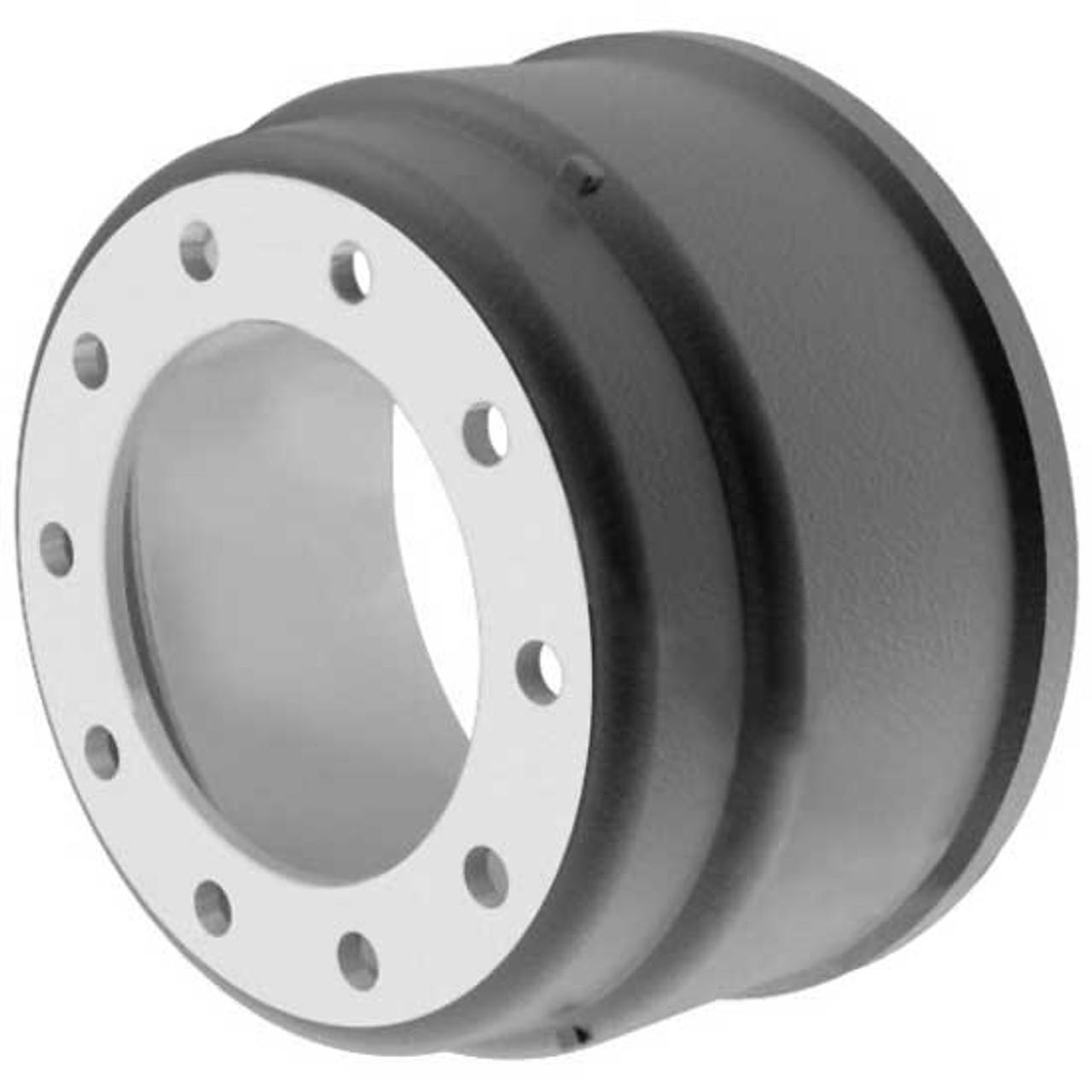
When it comes to high - quality brake drum anti - rust treatment products, Laizhou Guanzhao Trading Co., Ltd. is your reliable partner. Our products are known for their reliable quality and fast delivery. We are committed to helping our customers enhance the anti - corrosion ability of their brake systems and improve operational efficiency. Trust us for professional service and brand - worthy solutions.
Explore Our Brake Drum Anti - Rust Products Now! 98
|
98
|
 IATF TS16949 brake hub certification automotive brake hub quality control supplier audit checklist for automotive parts risk prevention in brake hub manufacturing continuous improvement in automotive supply chain
426
|
brake disc installation mistakes locator hole precision brake disc machining brake safety commercial vehicle brake system
338
|
brake drum corrosion protection commercial vehicle brake system maintenance anti-rust coating for brake drums moisture-resistant surface treatment brake drum surface protection technology
495
|
brake disc installation errors locating hole precision turning machining process commercial vehicle brake discs braking safety
161
|
brake disc installation mistakes locating hole precision turning machining process commercial vehicle brake discs brake system safety
IATF TS16949 brake hub certification automotive brake hub quality control supplier audit checklist for automotive parts risk prevention in brake hub manufacturing continuous improvement in automotive supply chain
426
|
brake disc installation mistakes locator hole precision brake disc machining brake safety commercial vehicle brake system
338
|
brake drum corrosion protection commercial vehicle brake system maintenance anti-rust coating for brake drums moisture-resistant surface treatment brake drum surface protection technology
495
|
brake disc installation errors locating hole precision turning machining process commercial vehicle brake discs braking safety
161
|
brake disc installation mistakes locating hole precision turning machining process commercial vehicle brake discs brake system safety