.png?x-oss-process=image/resize,h_100,m_lfit/format,webp)
.png?x-oss-process=image/resize,h_100,m_lfit/format,webp)
.png?x-oss-process=image/resize,h_100,m_lfit/format,webp)
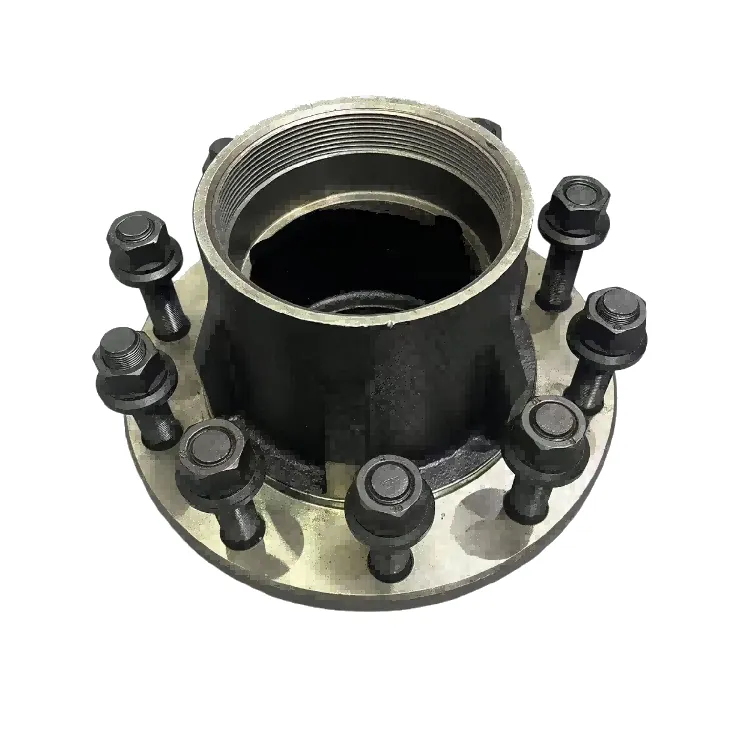
In the rapidly evolving landscape of electric vehicles (EVs), brake systems face increasingly rigorous performance demands. Misapplication of brake kits can lead to abnormal braking performance, compromising safety and customer satisfaction. For technicians, vehicle owners, and procurement specialists alike, discerning the correct brake kit tailored to the EV's unique system has become paramount. This article delves into key criteria for brake kit compatibility, step-by-step installation guidelines, and prevalent pitfalls — all augmented by real-world examples and precise technical insights. Understanding these facets not only minimizes after-sales issues but also enhances braking safety and prolongs component lifespan.
Brake system anomalies trace back frequently to improper kit selection. Compatibility issues can manifest as premature wear, uneven braking force, or ABS malfunction, all of which pose safety hazards and elevate warranty claims. Knowing which brake kit suits passenger EVs versus commercial or modified vehicles becomes a critical first step for maintenance professionals. Lowering these risks directly translates to reduced after-sales rates and fosters customer trust.
Brake kits typically fall into three categories with distinct use cases:
Each kit's selection depends heavily on the vehicle's class and intended application, ensuring optimal performance and durability.
Proper fitment requires strict adherence to multiple standards:
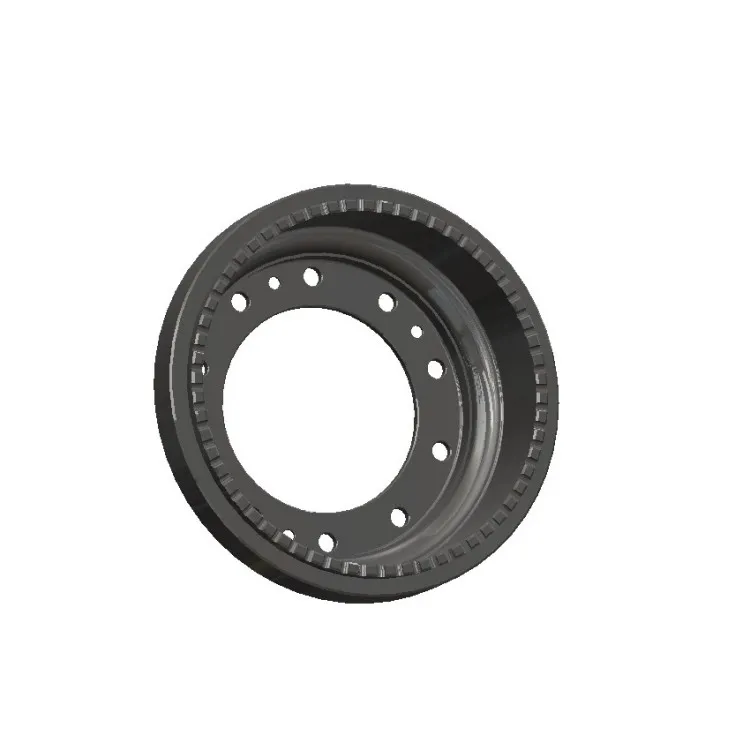
A methodical approach to brake kit installation lowers the risk of functionality failures:
Several typical mistakes undermine brake system reliability:
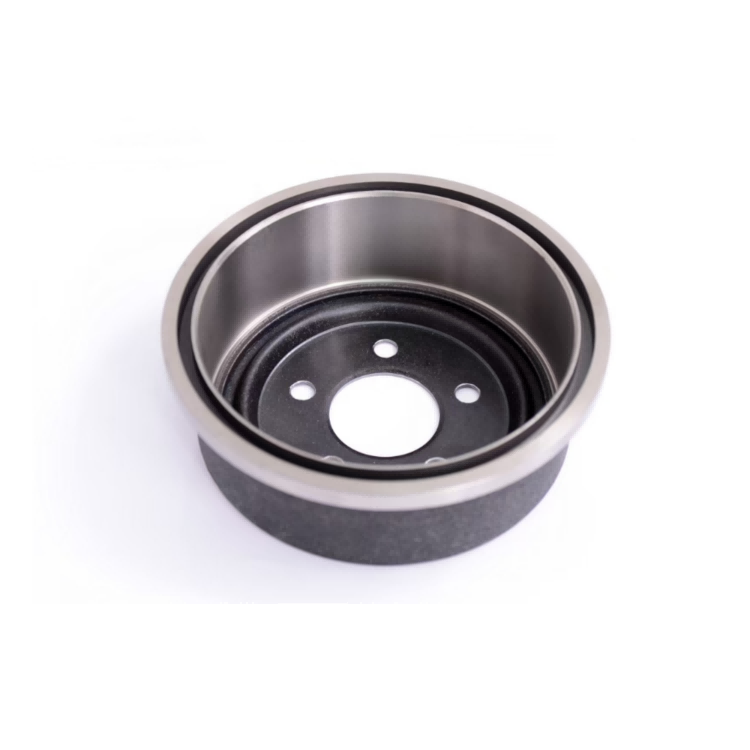
The transition to electrified powertrains imposes new requirements beyond traditional brake components:
To facilitate adherence to quality standards, technicians should employ a comprehensive pre- and post-installation inspection list. This includes verifying bolt torque, clearance tolerances, coating integrity, and ABS sensor function. Such diligence enhances brake safety and ultimately provides peace of mind for end customers.
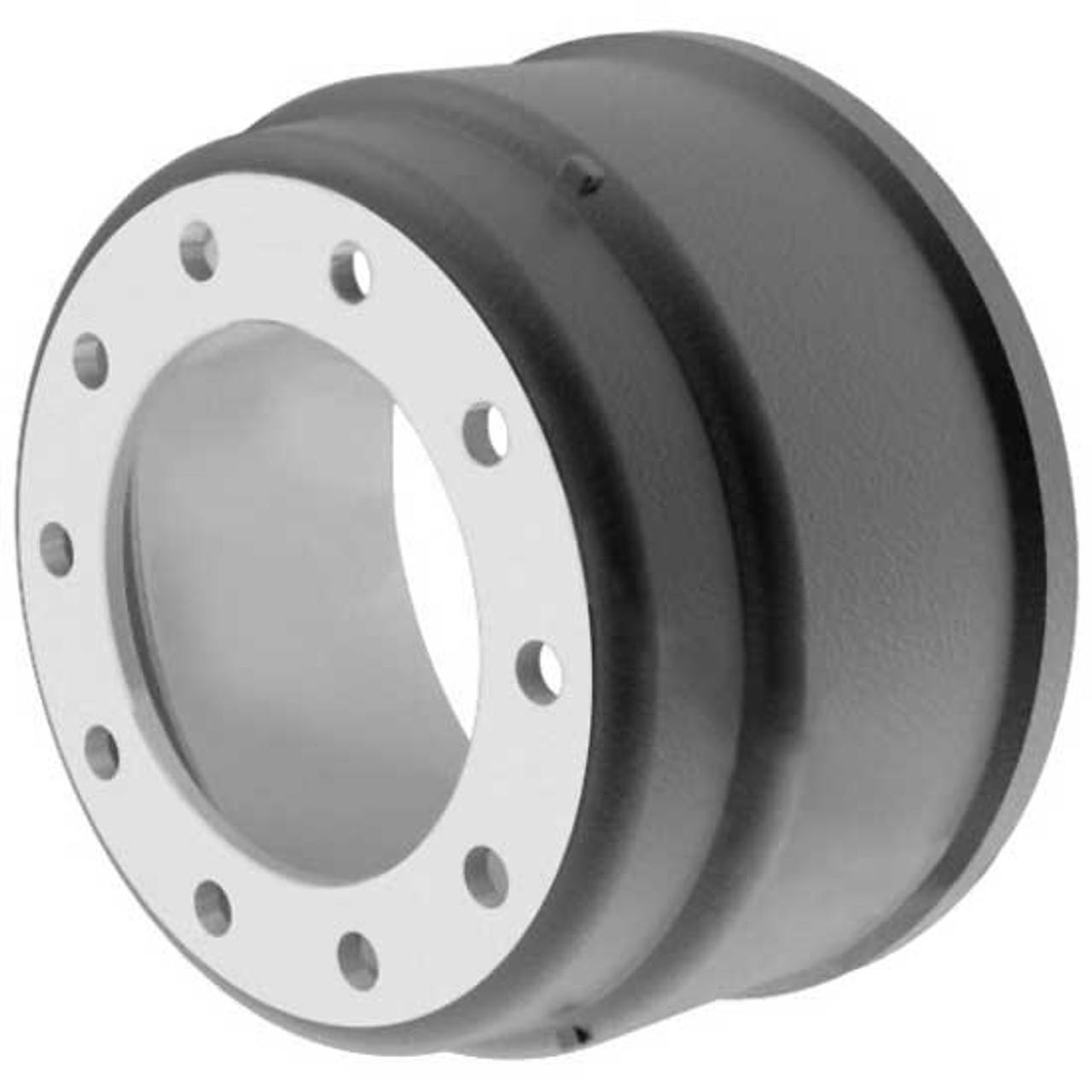
Q: How can I verify if a brake kit is fully compatible with my EV model?
A: Cross-reference OEM specs with supplier certificates, focusing on rotor dimensions, hub interface, and ABS sensor integration to confirm full compatibility.
Q: What are the risks of skipping anti-corrosion treatment during installation?
A: Accelerated rust can lead to rotor seizing, decreased brake responsiveness, and costly replacements.
Q: Are coated brake kits necessary for all climate zones?
A: While highly recommended, particularly in humid or coastal areas, coatings improve durability in nearly all environments.
 401
|
401
|
 brake pad heat fatigue detection brake pad replacement interval truck braking distance optimization long-haul vehicle safety brake wear indicator recognition
124
|
Brake hub IATF certification Automotive quality management Supply chain quality control TS16949 implementation case Brake system component standards
388
|
brake drum corrosion protection high humidity brake drum treatment commercial vehicle brake corrosion prevention oil seal vs coating brake protection Middle East brake drum solutions
273
|
brake kit selection guide single-piece brake kit two-piece brake kit brake system adaptability automobile brake kit installation skills
184
|
brake kit certification E-MARK certification VCA COP audit automotive brake system safety international auto parts export
brake pad heat fatigue detection brake pad replacement interval truck braking distance optimization long-haul vehicle safety brake wear indicator recognition
124
|
Brake hub IATF certification Automotive quality management Supply chain quality control TS16949 implementation case Brake system component standards
388
|
brake drum corrosion protection high humidity brake drum treatment commercial vehicle brake corrosion prevention oil seal vs coating brake protection Middle East brake drum solutions
273
|
brake kit selection guide single-piece brake kit two-piece brake kit brake system adaptability automobile brake kit installation skills
184
|
brake kit certification E-MARK certification VCA COP audit automotive brake system safety international auto parts export