.png?x-oss-process=image/resize,h_100,m_lfit/format,webp)
.png?x-oss-process=image/resize,h_100,m_lfit/format,webp)
.png?x-oss-process=image/resize,h_100,m_lfit/format,webp)

New energy vehicles (NEVs) have set higher standards for brake systems. One of the key challenges is to accurately select the ABS ring gear kits that are suitable for specific vehicle models. This article will delve into the application scenarios of single - piece, double - piece, and coated brake kits, and provide a practical selection and installation guide for maintenance technicians and vehicle owners, covering details from matching original factory parameters, adapting to wheel hub structures, to installation torque specifications and anti - rust treatments. This guide aims to help avoid common mistakes and enhance braking safety and service life.
NEVs include passenger cars, commercial vehicles, and modified vehicles, each with its own operating conditions. For passenger cars, which usually prioritize comfort and energy efficiency, single - piece brake kits may be a good choice due to their relatively simple structure and lower cost. Commercial vehicles, on the other hand, often operate under heavy loads and long - distance conditions, so double - piece or coated brake kits with better heat dissipation and durability are more suitable. Modified vehicles, which may have unique performance requirements, need a more customized approach to brake kit selection.
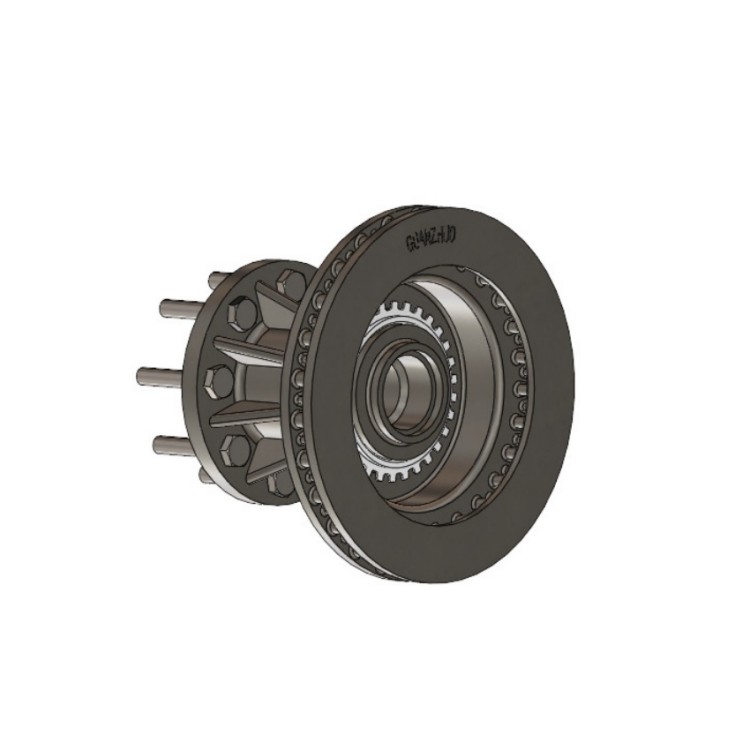
To ensure the proper functioning of brake kits, it is essential to match technical parameters such as wheel hub inner diameter, caliper layout, and braking clearance. For example, the inner diameter of the wheel hub must be precisely measured to ensure a perfect fit with the brake kit. The caliper layout also affects the braking force distribution, so it should be carefully considered when selecting a kit. As for the braking clearance, it needs to be adjusted according to the vehicle's specific requirements to ensure smooth braking operation.
| Technical Parameter | Matching Method |
|---|---|
| Wheel Hub Inner Diameter | Measure accurately with a caliper and compare with the kit's specifications |
| Caliper Layout | Refer to the vehicle's original design and ensure proper force distribution |
| Braking Clearance | Adjust according to the vehicle's braking system requirements |
During the installation process, several key steps should be followed strictly. The fastening torque value is crucial, as an improper torque can lead to loose parts or excessive stress on the components. Anti - rust treatment is also necessary to prevent corrosion and extend the service life of the brake kit. Additionally, proper clearance adjustment is essential for optimal braking performance.
A certain commercial vehicle once suffered a brake failure because the wrong brake kit was selected. The caliper layout did not match the vehicle's original design, resulting in uneven braking force distribution and ultimately a dangerous situation.
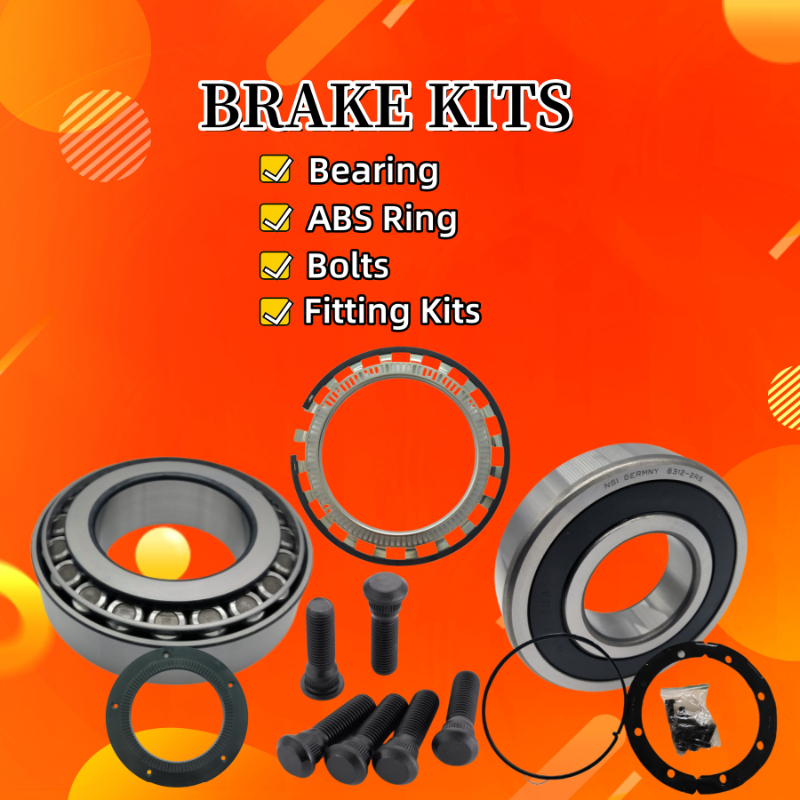
Common mistakes include over - tightening or under - tightening the bolts, ignoring anti - rust treatments, and improper clearance adjustment. These mistakes can significantly reduce the braking performance and even pose a safety hazard.
To enhance the practical guidance of this article, visual elements such as comparison charts and flowcharts are recommended. For example, a comparison chart can show the differences between different types of brake kits in terms of performance, cost, and application scenarios. A flowchart can illustrate the installation process step by step, making it easier for readers to understand and follow.
We encourage you to share your experiences or ask questions about brake kit selection and installation. Your input can help others and contribute to a better understanding of NEV brake systems. Please feel free to leave your comments below!