.png?x-oss-process=image/resize,h_100,m_lfit/format,webp)
.png?x-oss-process=image/resize,h_100,m_lfit/format,webp)
.png?x-oss-process=image/resize,h_100,m_lfit/format,webp)
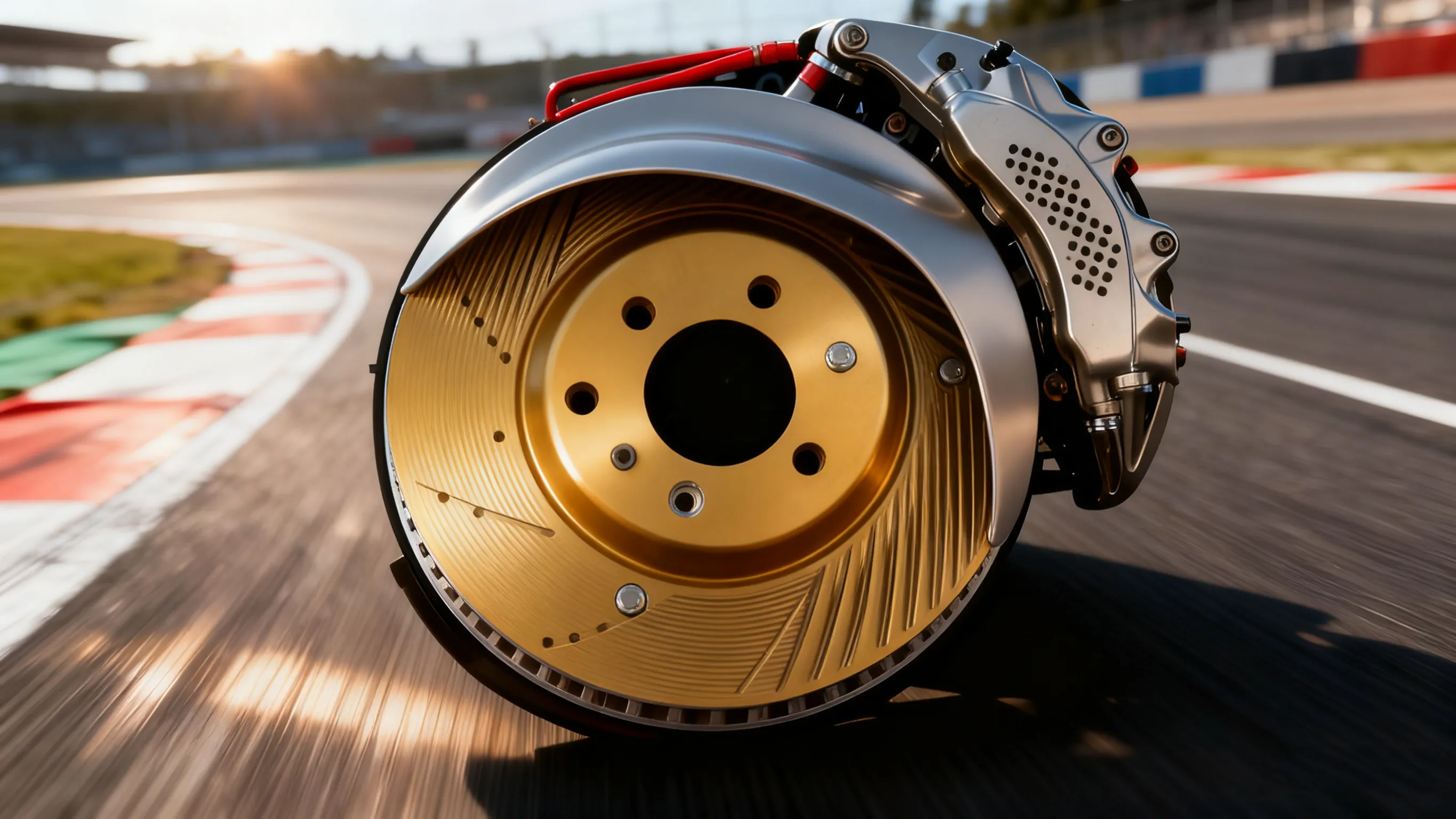
In the competitive world of automotive parts sourcing, adaptability isn’t just a feature—it’s a strategic advantage. A leading OEM brake disc manufacturer recently reported that their product fits over 99% of global vehicle models, from European sedans to Asian SUVs and North American trucks. But how? The answer lies not in luck—but in precision engineering, standardized interfaces, and rigorous compliance.
At the core of this high compatibility rate are three technical pillars:
These aren't theoretical specs—they're real-world benchmarks used by Tier 1 suppliers like Bosch and ZF. When you build your brake discs around these standards, you’re not just making a part—you’re building an ecosystem that works anywhere.
Compliance isn’t optional—it’s expected. The R90 E-mark certification, required for sale in EU markets, involves over 300 test points including thermal cycling, noise, durability, and braking performance under extreme conditions. Only 15% of Chinese brake disc manufacturers pass this audit on the first try. Meanwhile, IATF TS16949 ensures process consistency across every production batch—from raw material traceability to final inspection.
For international buyers, these certifications mean one thing: reliability. No delays. No recalls. Just predictable quality—whether you’re ordering 10 units or 10,000.
One client—a mid-sized auto parts distributor in Saudi Arabia—was struggling with inconsistent fitment across Toyota, Hyundai, and Nissan models. After switching to a supplier offering OEM brake disc customization, they saw a 40% reduction in returns and a 25% increase in repeat orders within six months. Why?
Because the supplier didn’t just offer a generic solution—they built a tailored interface for each brand, using data-driven design tools and rapid prototyping. That’s how you turn "one-size-fits-most" into “one-size-fits-all.”
Think about it: If your current brake disc supplier can’t solve your fitment issues, what’s really holding back your growth?
Whether you're expanding into new regions or deepening relationships with existing clients, the ability to deliver precise, certified, and customizable solutions is no longer optional—it's table stakes.
 417
|
417
|
 Brake disc installation myths Positioning hole precision Turning and grinding processes Commercial vehicle brake discs Braking system safety
40
|
brake kit material comparison ABS ring brake kit automotive brake system compatibility powder metallurgy brake components brake kit installation guide
159
|
brake disc maintenance extend brake disc life brake disc rust prevention brake disc warping causes brake disc care tips
487
|
High - performance brake kits Automotive brake system certification Automotive braking system service life Environment - friendly automotive accessories Automotive parts market trends
206
|
OEM brake disc customization high compatibility brake discs E-mark certified brake components brake disc interface design dynamic balance testing
Brake disc installation myths Positioning hole precision Turning and grinding processes Commercial vehicle brake discs Braking system safety
40
|
brake kit material comparison ABS ring brake kit automotive brake system compatibility powder metallurgy brake components brake kit installation guide
159
|
brake disc maintenance extend brake disc life brake disc rust prevention brake disc warping causes brake disc care tips
487
|
High - performance brake kits Automotive brake system certification Automotive braking system service life Environment - friendly automotive accessories Automotive parts market trends
206
|
OEM brake disc customization high compatibility brake discs E-mark certified brake components brake disc interface design dynamic balance testing