.png?x-oss-process=image/resize,h_100,m_lfit/format,webp)
.png?x-oss-process=image/resize,h_100,m_lfit/format,webp)
.png?x-oss-process=image/resize,h_100,m_lfit/format,webp)

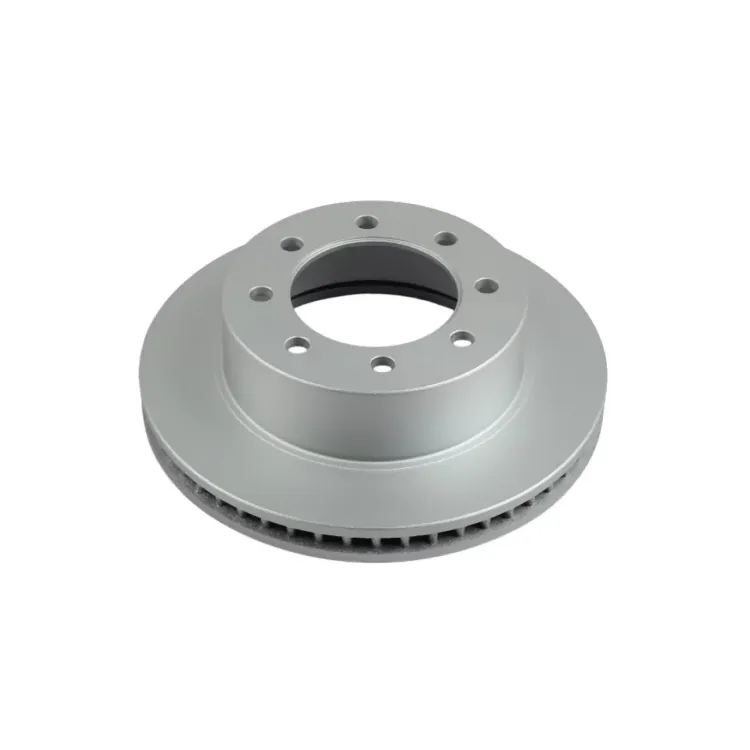
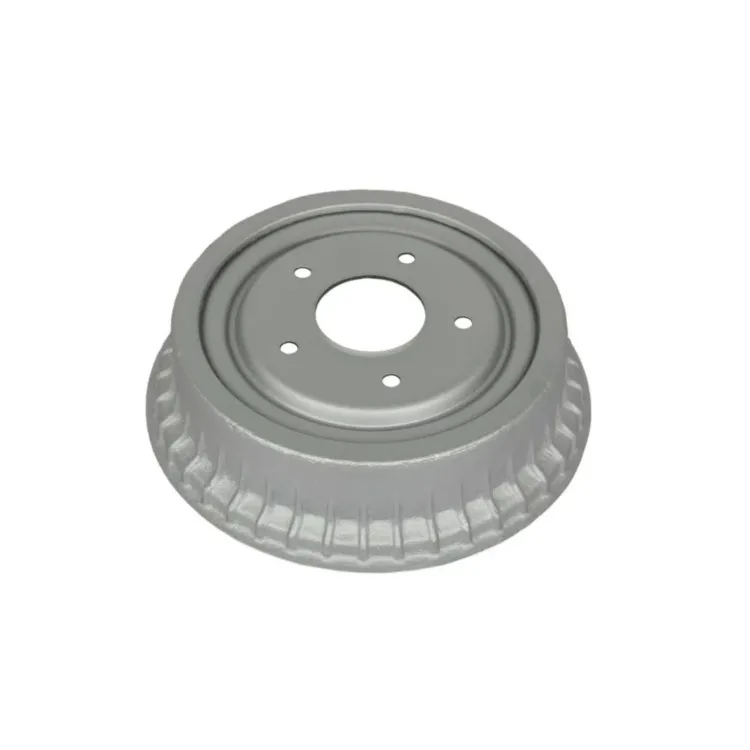
Selecting the right brake discs is crucial for your vehicle's safety and performance. This guide will help you understand the matching logic of solid, drilled, and slotted brake discs based on different vehicle types, driving scenarios, and climate conditions.
There are various vehicle types, such as sedans, sports cars, pickups, and heavy - duty trucks. Each type has different braking requirements. For example, sedans used for city commuting usually require brake discs that can provide stable braking performance in stop - and - go traffic. Sports cars, on the other hand, need high - performance brake discs for track racing, where rapid deceleration is often required. In fact, sports cars may need brake discs that can withstand heat up to 600°C during intense racing, while sedans may only reach around 300°C during normal city driving.
Driving scenarios also play a significant role in brake disc selection. In city commuting, a solid brake disc may be sufficient as it provides reliable braking performance and is relatively cost - effective. For track racing, drilled or slotted brake discs are preferred because they can dissipate heat more efficiently. In mountainous roads, where continuous braking is needed, slotted brake discs can help remove water and gas from the braking surface, ensuring better friction. When it comes to heavy - load transportation, heavy - duty trucks need thick and durable brake discs to handle the large amount of weight. A heavy - duty truck may require a brake disc with a thickness of at least 30mm, compared to a sedan's 15 - 20mm brake disc.
Climate conditions can affect brake disc performance. In rainy and humid areas, slotted brake discs are a good choice as they can quickly drain water from the braking surface. In high - temperature and arid regions, drilled brake discs can help dissipate heat. In snowy winter areas, solid brake discs may be more suitable as they are less likely to be affected by ice and snow. For example, in a region with an average winter temperature of - 10°C, a solid brake disc can maintain better braking performance compared to a drilled or slotted one.
When selecting brake discs, key parameters such as size matching, thickness tolerance, and minimum machining thickness are important. The size of the brake disc should match the vehicle's wheel size and braking system. A common thickness tolerance for brake discs is ±0.1mm. The minimum machining thickness is also crucial. Once the brake disc reaches the minimum machining thickness, it should be replaced. For most sedans, the minimum machining thickness is around 1mm less than the original thickness.
There are some common myths in brake disc selection. For example, many people think that more drill holes mean better braking performance. In fact, too many drill holes can weaken the structure of the brake disc and reduce its lifespan. Another myth is that slotted brake discs are suitable for all road conditions. In fact, slotted brake discs may wear out faster on smooth roads. We will correct these myths and provide the most suitable selection solutions for different needs through specific cases.
By following this guide, you can accurately select the brake discs that are suitable for your vehicle and usage scenario. Don't miss out on the opportunity to enhance your vehicle's braking performance!
 291
|
291
|
 brake disc installation mistakes positioning hole accuracy turning technology brake disc flatness commercial vehicle brake system
69
|
brake disc coating technology rust-resistant brake discs high compatibility brake discs commercial vehicle brake system upgrade brake disc corrosion resistance
190
|
Brake disc adaptability High-precision positioning holes European E-mark certification OEM brake disc customization Brake system interface compatibility design
270
|
Passenger car brake disc selection Anti - rust treatment technology comparison Brake disc warranty policy Cost - effective brake discs Supply chain procurement risk management
45
|
brake disc compatibility E-Mark certified brake discs high-precision locating holes international brake disc standards OEM brake disc customization
brake disc installation mistakes positioning hole accuracy turning technology brake disc flatness commercial vehicle brake system
69
|
brake disc coating technology rust-resistant brake discs high compatibility brake discs commercial vehicle brake system upgrade brake disc corrosion resistance
190
|
Brake disc adaptability High-precision positioning holes European E-mark certification OEM brake disc customization Brake system interface compatibility design
270
|
Passenger car brake disc selection Anti - rust treatment technology comparison Brake disc warranty policy Cost - effective brake discs Supply chain procurement risk management
45
|
brake disc compatibility E-Mark certified brake discs high-precision locating holes international brake disc standards OEM brake disc customization