.png?x-oss-process=image/resize,h_100,m_lfit/format,webp)
.png?x-oss-process=image/resize,h_100,m_lfit/format,webp)
.png?x-oss-process=image/resize,h_100,m_lfit/format,webp)
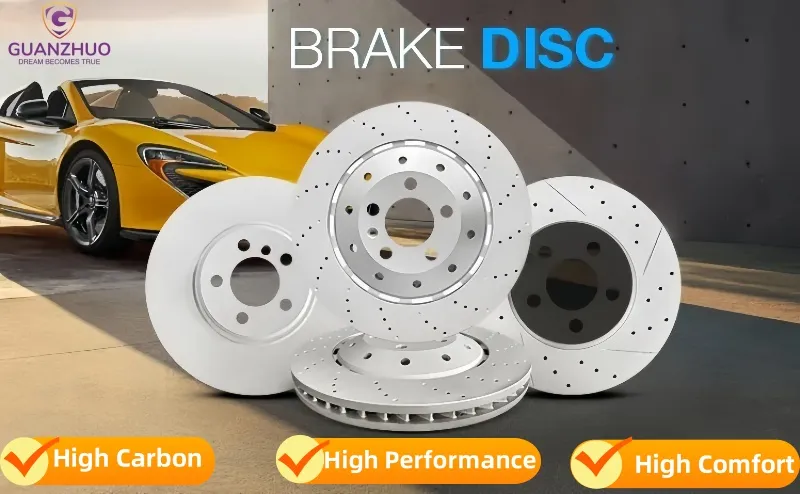
In today's competitive automotive parts market, selecting the right brake rotors isn't just about cost—it's about balancing quality, safety, and long-term value. For B2B importers and procurement professionals, making informed decisions in this critical component category directly impacts product reliability, customer satisfaction, and ultimately, your bottom line. This guide breaks down the essential factors that separate average brake rotors from exceptional ones, with actionable insights to optimize your sourcing strategy.
The material composition of brake rotors significantly influences performance, durability, and safety. Industry studies show that material selection accounts for up to 65% of a brake rotor's lifespan and 40% of its heat dissipation capability—critical factors for passenger vehicle safety.
When evaluating suppliers, request material certification reports and traceability documentation. Reputable manufacturers will provide clear metallurgical test results, ensuring compliance with international standards. Remember: cutting corners on material quality often leads to premature wear, increased noise, and potential safety hazards.
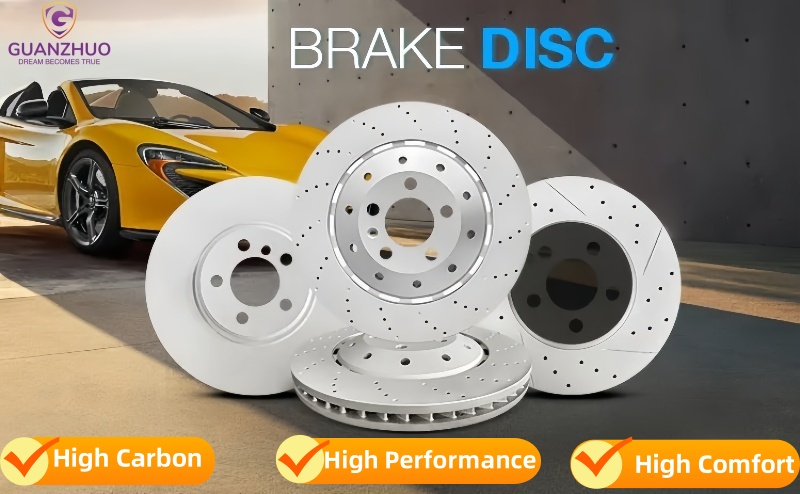
While material quality provides the foundation, precision machining determines the final performance characteristics of brake rotors. Industry standards require critical tolerances of ±0.05mm for thickness variation and ±0.02mm for parallelism—parameters that directly affect brake pedal feel, noise levels, and wear patterns.
Advanced manufacturing facilities utilize CNC (Computer Numerical Control) machining centers with in-process quality control systems. These technologies ensure consistent results across production runs, with defect rates typically below 0.5% in premium manufacturing environments. When touring potential suppliers, observe their machining processes—look for automated inspection stations and statistical process control systems that monitor critical dimensions in real-time.
Certifications serve as independent validation of manufacturing capabilities and product quality. For brake rotors, two certifications stand above the rest:
This automotive-specific quality management system certification ensures compliance with rigorous manufacturing standards. It covers everything from design and development to production and post-delivery processes. Suppliers with IATF 16949 certification demonstrate a commitment to continuous improvement and defect prevention.
Issued by the Economic Commission for Europe, E-MARK R90 specifically addresses brake system components. It verifies that products meet strict safety, performance, and environmental requirements across European markets, often serving as a benchmark for global quality standards.
These certifications aren't merely credentials—they represent significant investments in quality control systems. According to industry data, suppliers with both IATF 16949 and E-MARK R90 certifications experience 35% fewer quality-related claims and 28% higher customer retention rates compared to non-certified manufacturers.
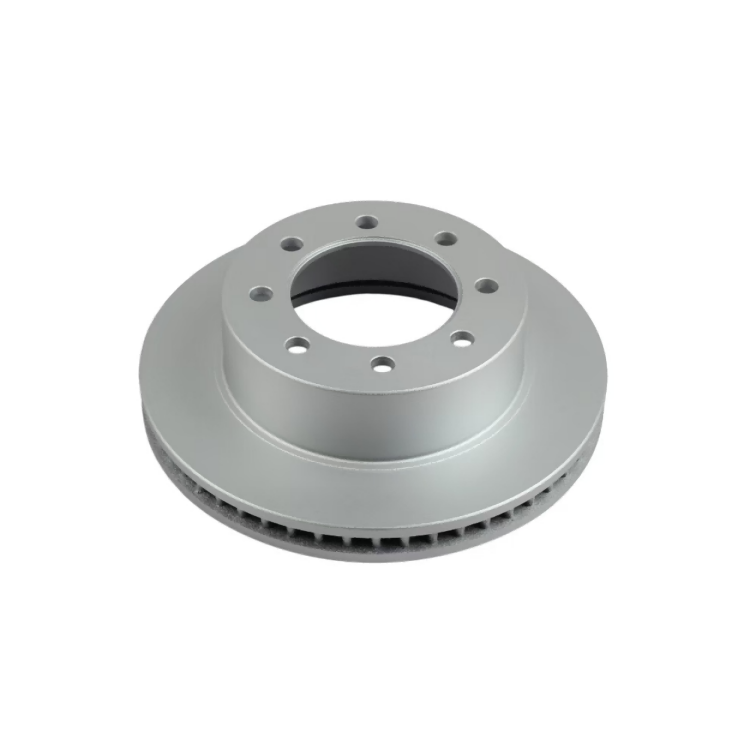
Brake rotors face constant exposure to moisture, road salts, and environmental contaminants—factors that contribute to corrosion and reduced service life. The right防锈处理 (anti-rust treatment) can extend rotor lifespan by 200-300% in harsh environments, significantly reducing warranty claims and customer complaints.
Leading manufacturers employ multi-layer protection systems:
When evaluating rust prevention methods, request accelerated corrosion test results from suppliers. The ASTM B117 salt spray test is the industry standard, with premium rotors typically achieving 500+ hours of protection before showing signs of corrosion—significantly higher than the 200-300 hour average for basic models.
A comprehensive warranty isn't just a marketing tool—it's a reflection of manufacturer confidence and a critical risk management tool for importers. The best suppliers stand behind their products with substantial guarantees, typically offering 2-year warranties with 80,000 km coverage for passenger vehicle brake rotors.
Equally important is the supplier's ability to deliver consistently and respond quickly to your needs. Look for manufacturers with global distribution centers and a proven track record of 98%+ on-time delivery rates and order fulfillment within 7-10 business days for standard products. These metrics directly impact your inventory management efficiency and ability to meet customer demand.
Q: How can I verify the material quality of brake rotors from overseas suppliers?
A: Request certified material test reports (MTRs) that include chemical composition analysis and mechanical properties verification. Reputable suppliers should provide these documents without hesitation. For critical orders, consider third-party testing through laboratories like SGS or Intertek.
Q: What's the typical lead time for custom brake rotor orders?
A: Standard catalog items usually ship within 7-10 days. Custom designs or private label products typically require 45-60 days for tooling development and initial production, with subsequent orders reducing to 30-45 days.
Q: How do I ensure consistent quality across multiple production batches?
A: Establish a quality agreement with your supplier that includes specific acceptance criteria, batch testing requirements, and periodic factory audits. Many importers schedule quarterly quality control visits or hire third-party inspection services for each production run.
Partner with a manufacturer that combines premium materials, precision engineering, and comprehensive support to deliver exceptional value to your customers.
Request Your Custom Brake Rotor Sample KitOur technical team will provide personalized recommendations based on your target markets and vehicle applications.
Making informed decisions about brake rotor sourcing requires balancing technical specifications, quality certifications, and supplier reliability. By prioritizing material quality, precision manufacturing, and comprehensive support, you'll not only enhance the safety and performance of the products you offer but also build a more resilient and profitable supply chain. The most successful importers view their brake rotor suppliers as strategic partners rather than just vendors—investing time in this relationship pays dividends in product quality, customer satisfaction, and long-term business growth.
 115
|
115
|
 commercial vehicle brake pad certification heavy truck braking solutions brake pad high temperature failure causes low noise brake pad technology copper-free ceramic brake pad benefits
219
|
commercial vehicle brake disc procurement cost reduction supplier screening bulk procurement cost structure optimization
56
|
brake drum rust - proof treatment solutions brake drum protection in humid areas anti - corrosion technology for commercial vehicle brake systems oil - sealed rust prevention for brake drums spray - anti - corrosion for brake drums
322
|
Commercial vehicle brake pads certification standards Heavy - duty truck braking solutions E - MARK R90 certification details IATF TS16949 compliance guide Advantages of copper - free ceramic brake pads
499
|
Brake kit selection guide Brake kit compatibility judgment Brake kit installation steps ABS ring gear kit usage tips Brake system maintenance essentials
commercial vehicle brake pad certification heavy truck braking solutions brake pad high temperature failure causes low noise brake pad technology copper-free ceramic brake pad benefits
219
|
commercial vehicle brake disc procurement cost reduction supplier screening bulk procurement cost structure optimization
56
|
brake drum rust - proof treatment solutions brake drum protection in humid areas anti - corrosion technology for commercial vehicle brake systems oil - sealed rust prevention for brake drums spray - anti - corrosion for brake drums
322
|
Commercial vehicle brake pads certification standards Heavy - duty truck braking solutions E - MARK R90 certification details IATF TS16949 compliance guide Advantages of copper - free ceramic brake pads
499
|
Brake kit selection guide Brake kit compatibility judgment Brake kit installation steps ABS ring gear kit usage tips Brake system maintenance essentials