.png?x-oss-process=image/resize,h_100,m_lfit/format,webp)
.png?x-oss-process=image/resize,h_100,m_lfit/format,webp)
.png?x-oss-process=image/resize,h_100,m_lfit/format,webp)
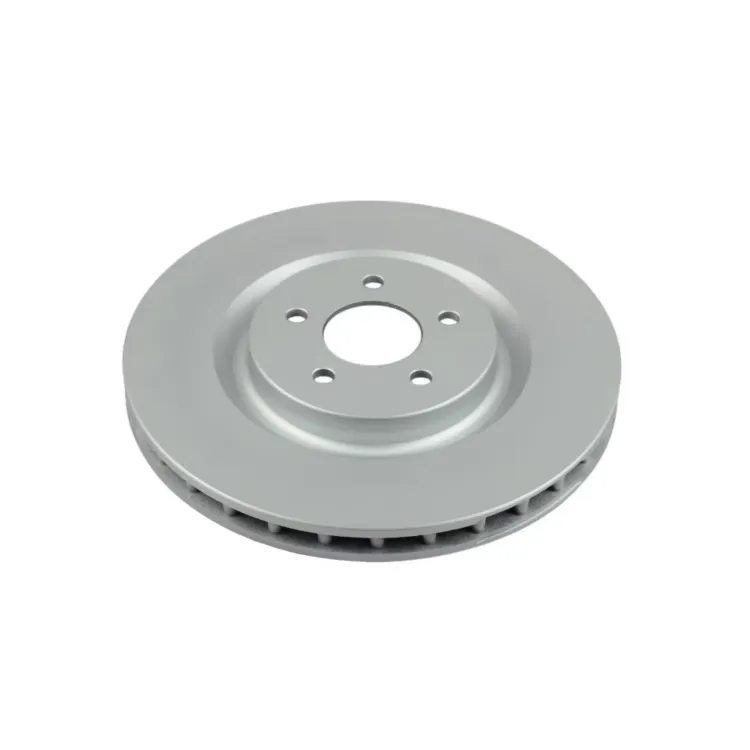
For automotive importers and procurement professionals, selecting the right brake discs is not just a purchasing decision—it's a critical safety commitment. In an industry where quality directly impacts lives and business reputations, understanding how to evaluate brake disc materials, manufacturing processes, and supplier reliability becomes essential. This guide breaks down the technical complexities into actionable insights, helping you make informed decisions that balance performance, cost-effectiveness, and compliance with European and Russian market standards.
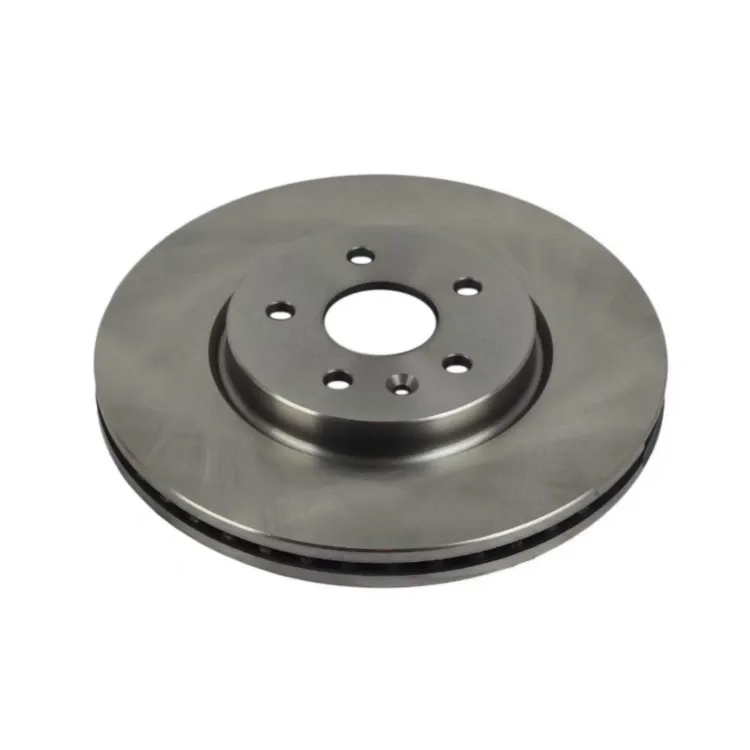
The performance of a brake disc begins with its material composition. While various metals and alloys exist, gray cast iron remains the industry standard for passenger vehicle brake discs due to its optimal combination of thermal conductivity, wear resistance, and cost-effectiveness.
According to industry testing data, vehicles equipped with G3000 brake discs demonstrate a 15-20% longer service life compared to those using lower-grade materials, particularly in regions with mountainous terrain or frequent stop-and-go traffic. This longevity directly translates to reduced replacement costs and improved customer satisfaction.
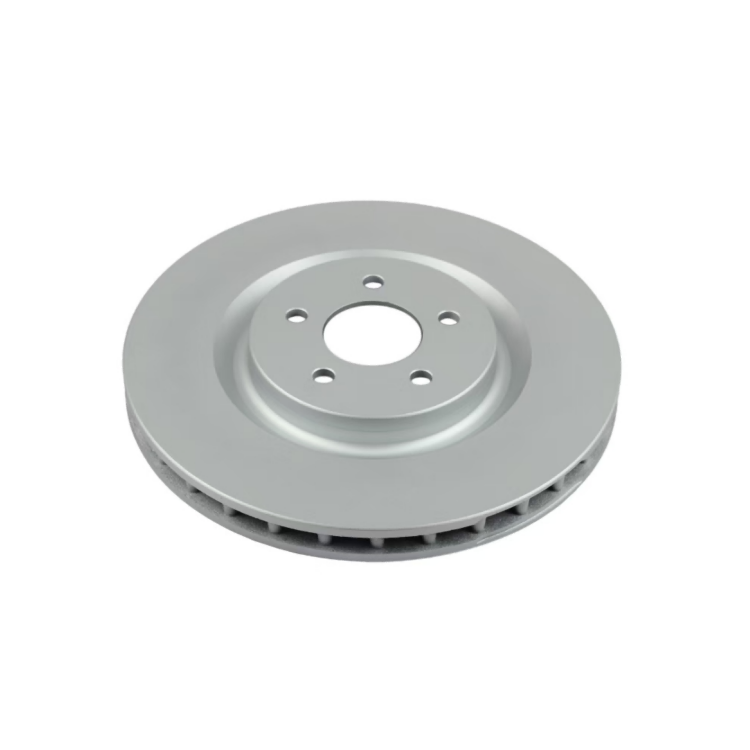
Superior materials alone cannot guarantee optimal brake performance—precision manufacturing processes are equally critical. Modern brake disc production involves two essential machining stages that directly impact safety and performance:
Creates the initial surface profile with tolerances as tight as ±0.05mm. This process ensures proper fitment with brake calipers and uniform thickness across the disc surface, preventing vibration and noise during braking.
Refines the friction surface to achieve Ra 1.6μm surface finish, optimizing brake pad contact and reducing wear. High-quality grinding ensures parallelism within 0.01mm across the disc face, critical for balanced braking performance.
Manufacturers adhering to IATF TS16949 standards implement statistical process control (SPC) throughout production, with typical defect rates maintained below 50 parts per million (PPM). This level of precision ensures consistent performance across production batches, a critical factor for B2B buyers managing large-scale vehicle fleets or aftermarket distribution networks.
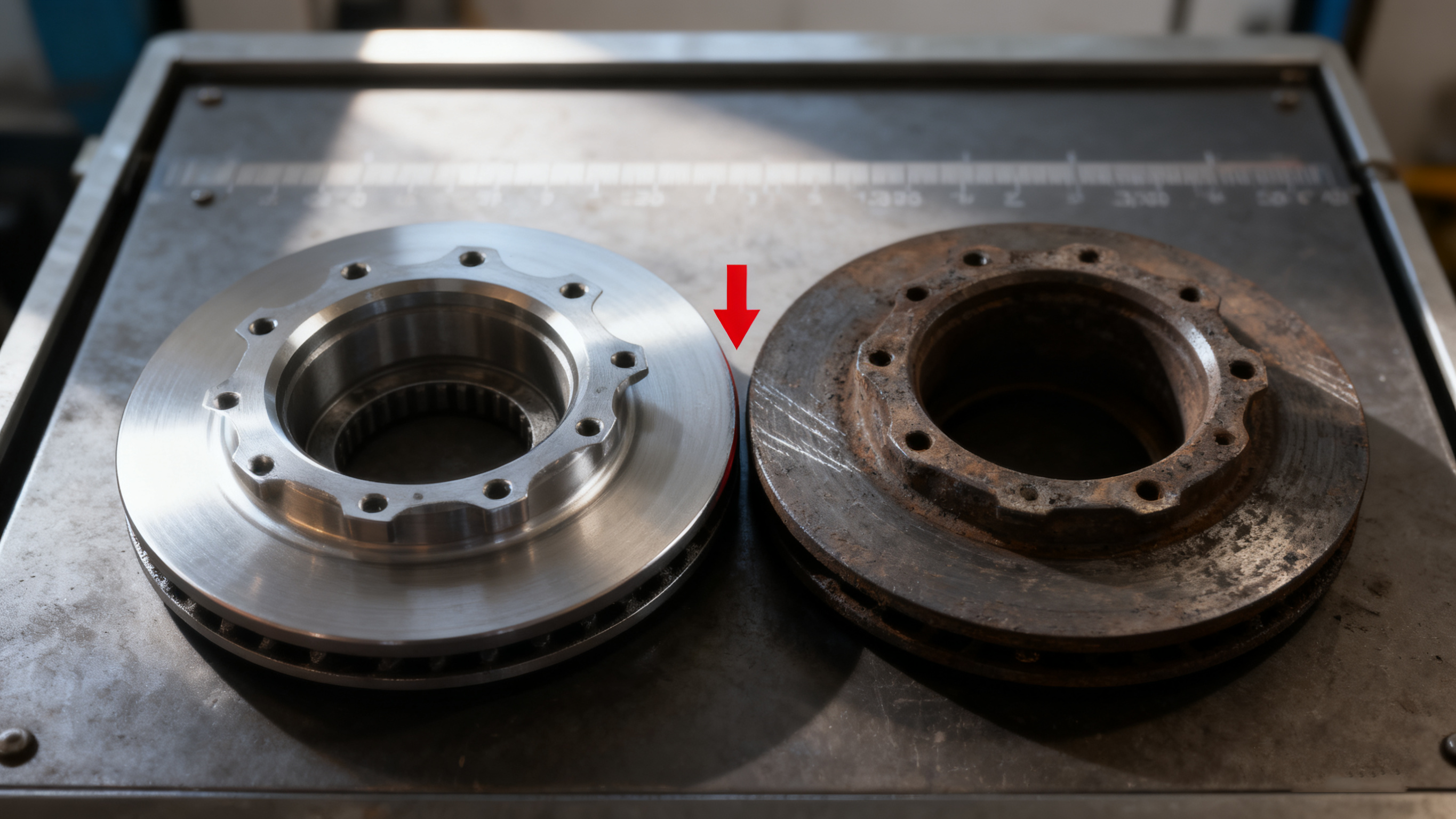
Brake discs face constant exposure to moisture, road salts, and environmental contaminants—factors that can significantly reduce service life if not properly addressed. Modern corrosion protection technologies have evolved beyond basic painting to deliver long-lasting performance:
| Protection Method | Application Process | Performance Benefits | Typical Lifespan |
|---|---|---|---|
| Oil Sealing | Immersion in rust-inhibiting oil | Protects during storage and transportation | 3-6 months |
| Epoxy Coating | Electrostatic spray application (60-80μm thickness) | Resists road salts and chemicals | 12-18 months (non-friction areas) |
| Zinc-Nickel Plating | Electroplating process (8-12μm thickness) | Provides cathodic protection with 1000+ hours salt spray resistance | 24-36 months |
In coastal regions or areas using heavy road salt during winter, corrosion protection directly impacts product lifespan. Field tests conducted in Northern Europe demonstrate that properly coated brake discs can extend replacement intervals by 35% compared to unprotected alternatives, significantly reducing maintenance costs for fleet operators and end consumers.
For B2B buyers navigating international supply chains, quality assurance documentation provides critical risk mitigation. Reputable brake disc manufacturers should hold the following certifications as minimum requirements:
Equally important is the manufacturer's warranty policy. A comprehensive warranty reflects confidence in product quality. Leading suppliers typically offer:
When evaluating warranty terms, pay particular attention to exclusions and claim procedures. Transparent warranty policies with reasonable claim processes indicate a supplier's commitment to long-term partnerships rather than short-term transactions.
In today's just-in-time manufacturing environment, supply chain reliability directly impacts your operational efficiency. Leading brake disc suppliers demonstrate their commitment to customer success through:
Production Lead Time
15-25 days
for standard product range
European Delivery
3-5 days
from regional distribution centers
Russian Market
7-10 days
When selecting a brake disc supplier for European or Russian markets, consider these critical factors beyond product specifications:
Connect with our technical experts to receive personalized brake disc selection guidance tailored to your specific market requirements. Benefit from our 20+ years of automotive component manufacturing experience serving European and Russian markets.
Request Technical Consultation & Sample EvaluationQ: What is the typical service life difference between GG20 and G3000 brake discs?
A: In fleet testing across various European climates, G3000 discs demonstrated 15-20% longer service life compared to GG20, with the most significant difference observed in high-stress applications like mountainous regions or urban delivery vehicles.
Q: How do zinc-nickel coatings perform in regions with
 185
|
185
|
 brake disc compatibility locating hole precision dimensional tolerance management E-mark certification OEM brake disc customization
456
|
brake disc thickness consistency hub hole precision commercial vehicle brake disc brake disc machining process brake disc installation error
404
|
brake drum rust protection brake drum anti-corrosion technology commercial vehicle brake system protection rust prevention coatings for automotive parts brake drum surface treatment process
315
|
High compatibility brake discs Commercial vehicle braking system upgrade Rust - proof brake discs Brake disc wear resistance Differences between passenger vehicle brake discs
114
|
Brake disc supplier Auto parts wholesaler product selection Foreign Trade B2B Procurement Brake disc quality inspection OEM Customized Auto Parts
brake disc compatibility locating hole precision dimensional tolerance management E-mark certification OEM brake disc customization
456
|
brake disc thickness consistency hub hole precision commercial vehicle brake disc brake disc machining process brake disc installation error
404
|
brake drum rust protection brake drum anti-corrosion technology commercial vehicle brake system protection rust prevention coatings for automotive parts brake drum surface treatment process
315
|
High compatibility brake discs Commercial vehicle braking system upgrade Rust - proof brake discs Brake disc wear resistance Differences between passenger vehicle brake discs
114
|
Brake disc supplier Auto parts wholesaler product selection Foreign Trade B2B Procurement Brake disc quality inspection OEM Customized Auto Parts